Chapter Two: Embracing Self, The Keystone of Self-Compassion in Life’s Arenas
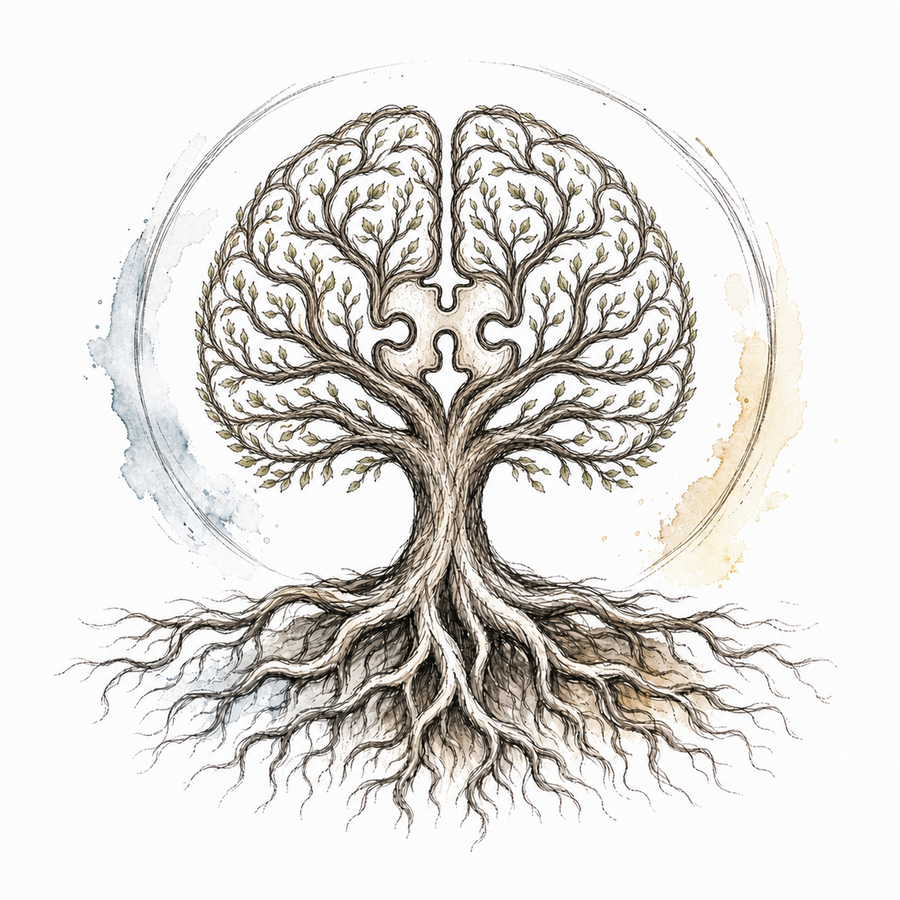
“Compassion for others begins with kindness to ourselves.”
Pema Chödrön

Buddhist teacher and writer Pema Chödrön has spent years helping people face pain without turning hard toward themselves. Her teaching sets the tone for this chapter. Self-compassion is not weakness, excuse-making, or self-indulgence. It is the practice of treating yourself with honesty and mercy when life hurts or when you fall short. Kristin Neff’s work [11] gives that practice a useful shape. This chapter looks at why self-compassion matters and how it changes the way we recover, compete, love, work, and grow. If we cannot face our own pain without contempt, we will keep carrying that contempt into the rest of our lives.
The Foundation of Self-Compassion
Self-compassion means treating yourself with kindness and understanding when you fail or when you hurt [11]. It is not a feel-good mantra. It is a practical way to respond to failure and pain without making those experiences worse.
Self-kindness sits at the center of it, and it is easy to lose in the constant push for self-improvement and achievement. It asks us to face the raw parts of ourselves: the vulnerabilities, the flaws, and the marks left by life. Done honestly, that does not make us weaker. It gives us a steadier kind of strength.
Neff [11] describes self-compassion through three connected parts: self-kindness, common humanity, and mindfulness. Those parts work together like a safety net. They catch us when we start dropping into self-criticism and isolation. Self-kindness replaces the harsh judgments we often aim at ourselves with understanding and warmth. It helps us face failure without turning failure into proof that we are unworthy.
Common humanity, the second part, reminds us that suffering is not a personal defect. Our struggles are painful, but they are also part of being human. That realization can soften shame and make room for perspective.
The third part, mindfulness, helps us notice our experience without denying it and without drowning in it. It lets us say, “This hurts,” without adding, “and this pain means there is something wrong with me.”
Self-compassion is not self-indulgence. It is a courageous act of self-acceptance. It asks us to look at ourselves with honesty and gentleness. When emotions run high, self-compassion helps us respond with more clarity and less self-destruction.
That foundation shows up in measurable ways. Research in the past decade has shown a strong correlation between self-compassion and psychological health. It’s been linked to lower levels of anxiety and depression, higher levels of resilience, and even a greater capacity for empathy and connectedness with others [629].
Self-compassion is also a critical component in the healing process. It provides a nurturing space for recovery, where pain is acknowledged and soothed, not denied or amplified. It is the kind voice in the dark that keeps insisting we deserve decent treatment from ourselves, even when we falter.
Self-compassion helps us recover. It helps us come back to ourselves. Some of the most important love and respect we will ever build is the kind we practice inward, not outward.
Self-Compassion in Competitive Sports
Competitive sports are a good test case for self-compassion because the pressure is so high. Athletes are often taught discipline, grit, and toughness. They are not always taught how to fail without turning on themselves.
Self-compassion in sports helps an athlete become a steadier coach to themselves. It means recognizing that mistakes, slumps, and setbacks are part of training, not proof that the athlete is weak or worthless.
Recent studies have begun to shed light on the impact of self-compassion on athletic performance. A study by Mosewich et al. [630] found that athletes who practiced self-compassion reported lower levels of performance anxiety and higher levels of well-being. These athletes approached their sports with a mindset that embraced mistakes as part of the learning process, rather than as threats to their identity or self-worth.
In a competitive environment, self-compassion offers a better inner voice. It says, “You can be disappointed without becoming cruel to yourself. You can learn from this without collapsing under it.”
Self-compassion also supports a healthier approach to training and competition. Instead of being driven by fear of failure or harsh self-judgment, athletes can approach their sports with a sense of curiosity and openness, qualities that enhance learning and adaptability. In a study by Ferguson et al. [631], athletes with higher levels of self-compassion were found to have better coping skills and a more positive approach to challenging situations.
The benefits of self-compassion extend beyond performance. In the often-solitary pursuit of athletic excellence, mental health can be a casualty. Anxiety, depression, and burnout are not uncommon in sports. Self-compassion offers a protective buffer, a kind of emotional first aid, in these intense environments. Research by Reis et al. [632] highlights the role of self-compassion in reducing the symptoms of anxiety and depression among athletes.
In sports, self-compassion changes how athletes think about success and failure. The deeper win is more than performance. It is learning how to pursue excellence without turning on yourself.
The Role of Self-Compassion in Relationships
Self-compassion quietly shapes the way we relate to other people. Healthy relationships often begin with how we handle ourselves when we are hurt, insecure, or ashamed. If we are brutal with ourselves, that brutality tends to leak into the rest of our relationships.
In relationships, self-compassion is not self-indulgence. It is self-awareness with mercy. It means acknowledging our flaws and vulnerabilities and extending to ourselves the same kindness and understanding we would offer a dear friend. That self-respect gives relationships more honesty and less defensiveness.
A recent study by Neff and Beretvas [633] suggests that self-compassion leads to more satisfying and stable relationships. It allows individuals to be more emotionally available, less defensive, and more understanding. When we are less critical of ourselves, we are less likely to project our insecurities and fears onto our partners, paving the way for more open and honest communication.
Self-compassion also strengthens empathy by helping us recognize our own pain and vulnerability without panic or denial. Vettese et al. [634] found that self-compassionate individuals tend to be more empathetic and supportive in their relationships. By understanding and accepting our own imperfections, we become more tolerant and compassionate towards the imperfections of others.
Conflict resolution is another area where self-compassion makes a real difference. A study by Yarnell and Neff [635] indicates that self-compassion builds emotional resilience, which helps people work through conflict more constructively. Instead of resorting to blame or avoidance, self-compassionate individuals approach conflicts with a desire to understand and resolve, recognizing that imperfection is part of the human condition.
Self-compassion encourages a healthy balance of giving and receiving in relationships. It allows individuals to set healthy boundaries, recognizing that self-care is not selfish but essential. This balance prevents the pitfalls of codependency and enables relationships to thrive on mutual respect and care.
At bottom, self-compassion helps us love other people without disappearing in the process. It teaches us to listen with more openness, speak with more honesty, and build relationships that are not fueled by shame.
The Role of Self-Compassion When Conflict Resolution Fails
Conflict is inevitable in close relationships. Sometimes repair works. Sometimes it does not. When repair fails, self-compassion becomes essential.
Self-compassion in the wake of failed conflict means turning inward without turning on yourself. It means acknowledging pain without judgment, recognizing your part without drowning in blame, and giving yourself room to think clearly again.
A key aspect of self-compassion in such situations is understanding the limits of our control, particularly in the face of a partner’s lack of empathy or understanding. Research by Neff and Germer [636] links self-compassion to steadier footing in relational conflict: more clarity, more calm, and less panic about the outcome. It helps in understanding that we cannot always change the other person or the outcome, but we can change our response to them.
When faced with a partner lacking empathy or real understanding, self-compassion can become a lonely but empowering practice. It involves recognizing that our worth and peace do not hinge solely on the resolution of the conflict or the validation from the other person. A study by Zessin, Dickhäuser, and Garbade [637] indicates that self-compassionate individuals exhibit higher levels of emotional well-being even in the face of interpersonal difficulties.
Self-compassion also provides the courage to make tough decisions about the relationship. It allows for a clear assessment of whether the relationship is conducive to one’s well-being or if it’s time to let go. After all, we can only give so much to such a person. In this context, self-compassion is not about giving up but about honoring oneself.
The end of a relationship, especially after unresolved conflict, can be deeply painful. But self-compassion can keep that ending from becoming pure self-destruction. It lets us grieve what was lost, learn what we need to learn, and keep our dignity intact.
Sometimes the most compassionate thing we can do for ourselves is let go honestly, without contempt and without self-betrayal.
Self-Compassion in the World of Business and Entrepreneurship
In business and entrepreneurship, the first victory worth winning is over self-neglect. Self-compassion is not a luxury there. It is a useful tool for resilience, judgment, and leadership. Building something is stressful, uncertain, and often lonely. Without self-compassion, that pressure easily turns into chronic self-criticism.
Self-compassion in business and entrepreneurship means treating setbacks as part of the work instead of as proof of personal inadequacy. A study by Tanu Kukreja Bhayana and Sukirti Ahuja [638] found that more self-compassionate entrepreneurs were more resilient and better able to learn from setbacks.
In decision-making, self-compassion helps balance ambition with wisdom. It allows leaders to make decisions not from a place of fear or ego, but from a position of clarity and balanced self-awareness. According to Lanaj et al. [639], leaders who practice self-compassion not only benefit themselves but also positively influence their teams. They demonstrate that self-compassionate leaders, through role modeling of self-care, inspire similar attitudes in their followers, leading to increased supportive behaviors within the team. This research underscores the ripple effect of leader self-compassion, highlighting its significance in promoting a compassionate and supportive work environment.
Stress management is another critical area where self-compassion plays an important role. The entrepreneurial world is full of stressors: financial risk, competition, and high expectations. Self-compassion offers a buffer against these stressors, providing emotional space to breathe, reassess, and move forward with renewed vigor. A study by Allen and Leary [640] demonstrates that self-compassion is associated with lower levels of stress and anxiety, which makes for a healthier work environment.
Self-compassion also strengthens leadership. In the same research [639], leaders who treated themselves with compassion came across as more approachable, and their teams felt freer to value well-being alongside output.
In business, self-compassion helps redefine success. It reminds us that achievement matters, but so do character, judgment, and the way we treat ourselves and other people while pursuing it.
Self-Compassion in Retirement: When It’s Time to Bow Out of the Workforce Due to Changing Culture
Retirement is another place where self-compassion matters. People often imagine retirement as pure freedom. It can also bring grief, disorientation, and real questions about identity.
Self-compassion in retirement means allowing yourself to grieve one stage of life while beginning another. It means making room for mixed emotions: sadness, relief, fear, gratitude, and even excitement. A study by Smith and Hollinger-Smith [641] highlights that self-compassionate retirees tend to experience less anxiety and depression, viewing retirement as an opportunity for growth and exploration rather than a loss.
As the workforce culture continues to evolve, with technology and younger generations bringing new values and ways of working, those stepping into retirement may feel an increasing disconnect from the world they once knew. Self-compassion offers a way to honor their past contributions while also accepting the inevitability of change. According to research by Steptoe and colleagues [642], self-compassion is linked to greater life satisfaction in older adults, helping them adjust to new routines and social circles.
Self-compassion also helps a person redefine purpose after work. Retirement can open room for hobbies, service, travel, family, creativity, or simply a quieter rhythm of life. Self-compassion makes that exploration easier because it loosens the pressure to prove your worth through productivity alone. Research cited in the “Handbook of Theories of Aging” [643] suggests that engaging in activities that align with one’s values and interests during retirement can lead to a more fulfilling and meaningful life.
Retirement is also a time to nurture relationships that may have taken a backseat during the busy working years. Self-compassion deepens the relationship we keep with ourselves, and that shows up in the quality of our relationships with family and friends. A study by Charles and Carstensen [644] indicates that older adults with higher levels of self-compassion report more satisfying and deeper relationships, contributing to their overall well-being.
Self-compassion in retirement is about more than coping with change. It is about living well inside it. Even when work ends or culture shifts, the value and wisdom a person has built do not disappear.
Self-Compassion, in Practice
This chapter has made the same point in different settings: self-compassion is practical. It helps in emotional pain, in relationships, in competition, in work, and in major life transitions.
It is not softness for the sake of softness. It is a steadier way to deal with reality. It lets us face failure without collapsing, face conflict without losing ourselves, and face change without becoming cruel.
If there is one thing to carry forward from this chapter, let it be this: you do not become stronger by treating yourself with contempt. You become stronger by telling yourself the truth, staying accountable, and refusing to abandon yourself when life gets hard.