PART IV: Intellectual Discussions and Societal Issues
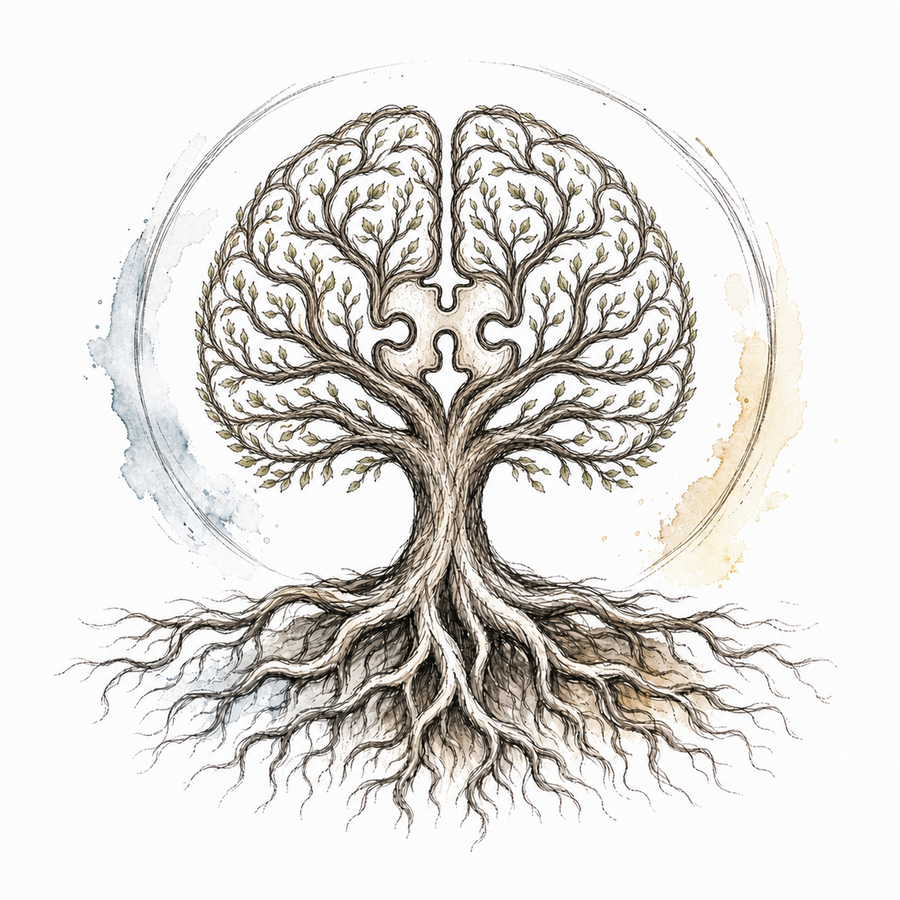
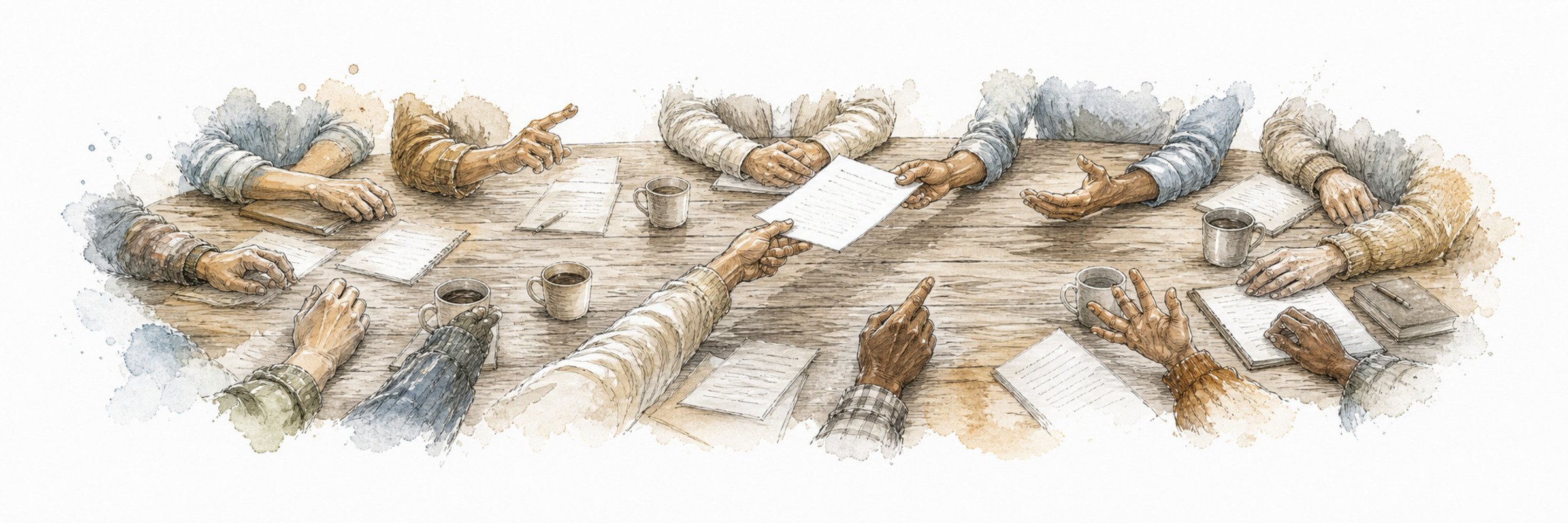
Personal growth does not happen in isolation from the world you live in. The culture you were raised in shaped what you believe about gender, money, fairness, and success. The political climate influences your stress level, your sense of safety, and your view of other people. The economic system you live inside determines which options are actually available to you.
Part IV zooms out. It examines the larger forces that shape individual experience, not to overwhelm you with problems, but to make them legible. Understanding a system clearly is the first step toward engaging with it instead of just being moved by it.
These chapters take on questions that do not have easy answers: the gender pay gap and who benefits from leaving it unaddressed, ADHD and the diagnostic boundaries between neurodivergence and personality, the science of decision-making under pressure, the psychology of conspiracy theories, and how we evaluate information in an era when the volume of it is designed to exhaust us.
Critical thinking is the through-line. Not the kind that leads to reflexive skepticism or performed contrarianism, but the disciplined kind: the kind that asks what the evidence actually shows, whose interests a given narrative serves, and what you might be missing.
A section like this is the part of the book most likely to change how you read the news. It may also change how you talk about these topics with people who see them differently.