Chapter Seven: Spotting a Potential Narcissist on Social Media, Signs and Subtypes of Narcissism

“Social media is a mirror. The people who get enraged are the ones who care most about the illusion.”
Mark Manson
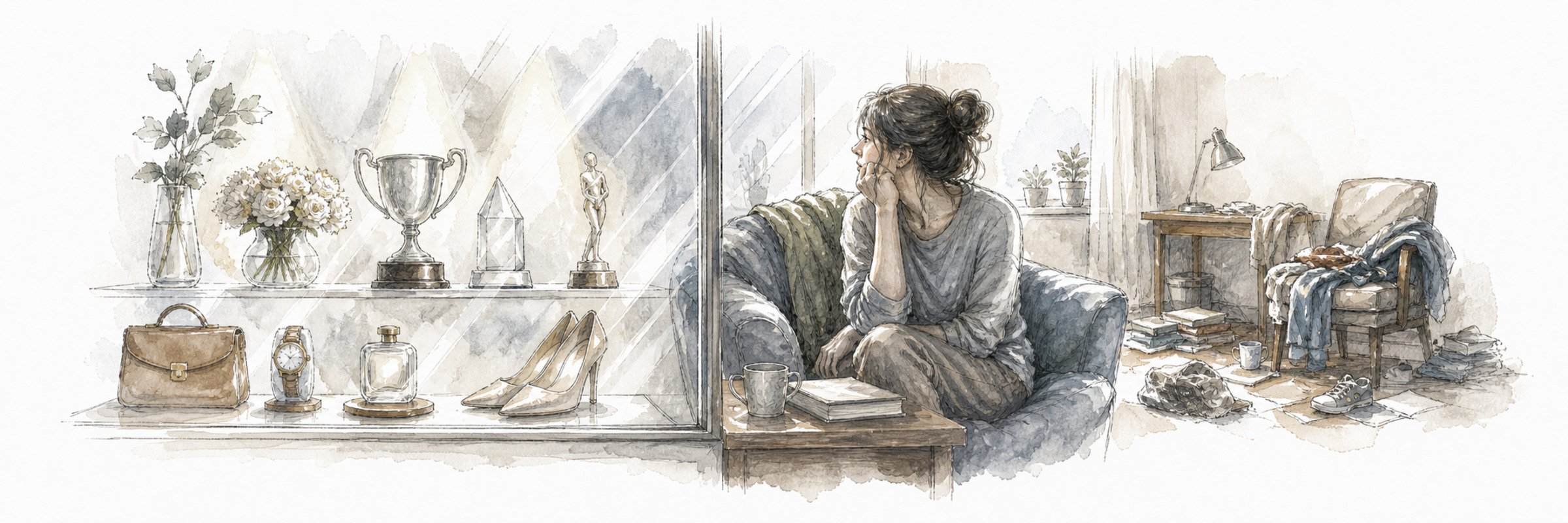
Social media can function like the magnifying mirror described by author and essayist Mark Manson. It does not create every narcissistic trait from scratch, but it gives vanity, status hunger, image management, and attention-seeking far more room to perform.
A confident person online is not automatically a narcissist. It also does not mean a feed can diagnose Narcissistic Personality Disorder. A social media profile is a storefront, not a full psychological evaluation. Still, patterns on social media can give useful data, especially when they match the same patterns in real life [56,71,73].
What Narcissism Actually Means
The DSM-5 describes Narcissistic Personality Disorder as a pattern involving grandiosity, a need for admiration, exploitative behavior, and low empathy [56]. The distinction matters because people often use the word narcissist to mean anyone selfish, flashy, or annoying. Real narcissism is more persistent and more relationally destructive than ordinary vanity or immaturity [103].
Narcissistic traits also exist on a spectrum [104]. Some people are simply image-conscious. Some are chronically entitled. Some become deeply manipulative, exploitative, or emotionally dangerous.
Common Signs Online
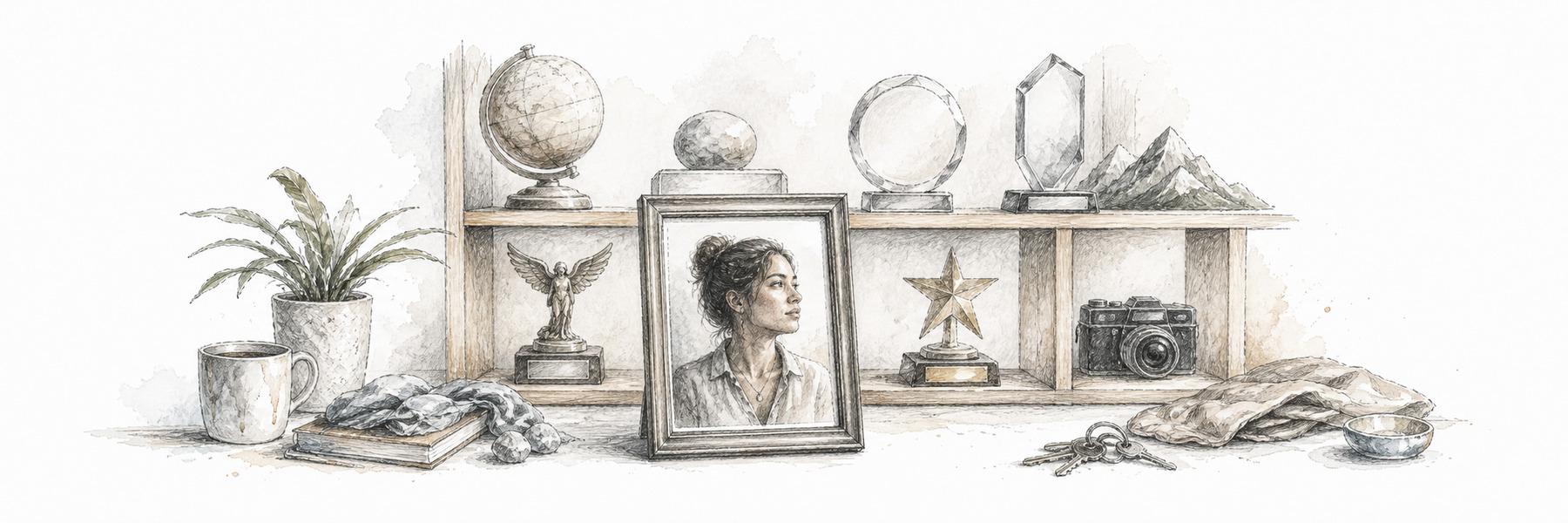
Some online habits deserve a closer look than others.
The Feed Is Mostly a Stage
Narcissistic people often use social media less like a place for connection and more like a stage for self-display [71,73]. Common signs include:
- bragging
- humblebragging
- name-dropping
- inflated stories about success
- constant reminders of status, beauty, money, access, or desirability
The point is not simply to share life. The point is often to control how others see them.
Validation Feels Like Oxygen
Likes, follows, comments, and public approval can become emotional fuel. Many people enjoy positive feedback. The difference is how much of the person’s emotional balance depends on it.
If attention drops, some narcissistic people become irritated, dramatic, bitter, or desperate to create a new wave of engagement [73,117].
Attention Matters More Than Reciprocity
You may also notice that the relationship only moves one way. They want reaction, praise, sympathy, and audience. They do not show the same curiosity, care, or reciprocity toward others.
The imbalance matters. Healthy people may enjoy being seen. They also know how to see other people.
Drama Becomes a Tool
Some narcissistic people use conflict, vague posting, sudden public oversharing, or indirect jabs to pull attention back toward themselves. The point may not always be the content. The point may be the emotional gravity.
Narcissism Has Different Presentations
Narcissism is not one uniform thing [104–106]. Different subtypes can look very different online and in relationships. The labels also overlap. Real people do not always fit neatly into one box. Still, the categories can help you see the pattern more clearly.
Malignant and Antagonistic Narcissism
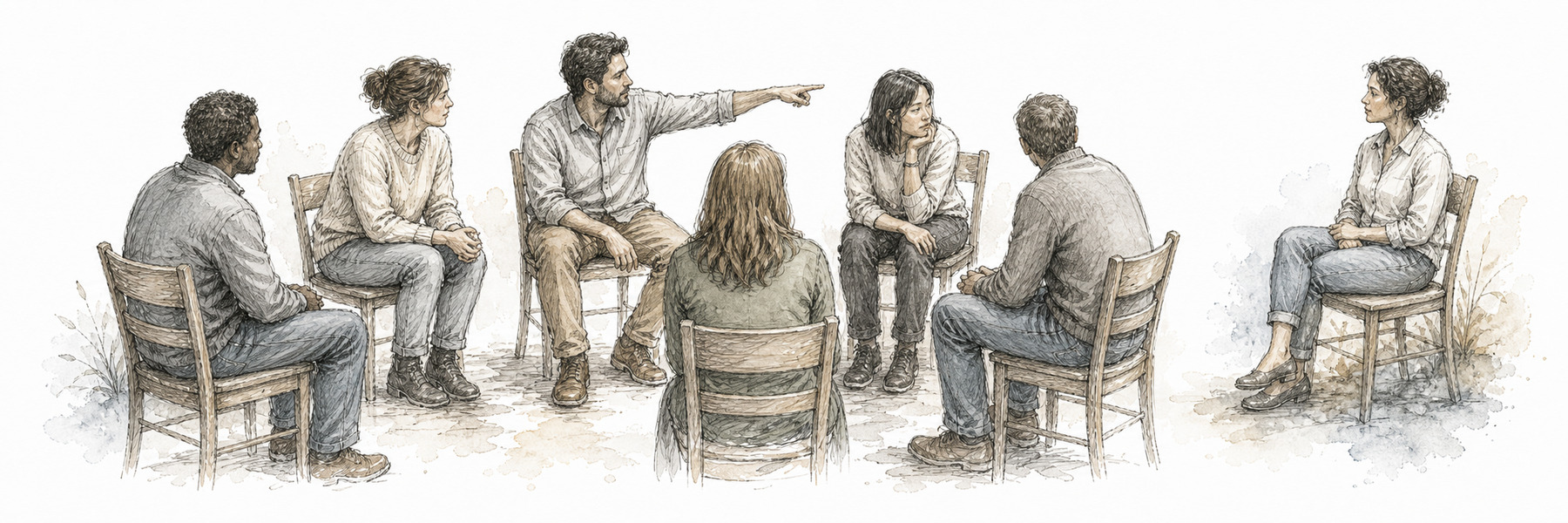
Malignant narcissism is often the most dangerous presentation. It combines grandiosity with cruelty, aggression, manipulation, and sometimes antisocial traits [105]. Online, the pattern can look like bullying, domination, humiliation, stalking, smear campaigns, or using an audience as a weapon.
With a pattern like this, social media stops being a mirror and becomes a tool of control.
The term antagonistic narcissism is not always treated as a separate formal subtype, but it is a useful description for narcissism expressed through hostility, deceit, and confrontation. These people often seem energized by conflict. They belittle, provoke, and frame cruelty as honesty.
Grandiose and Overt Narcissism
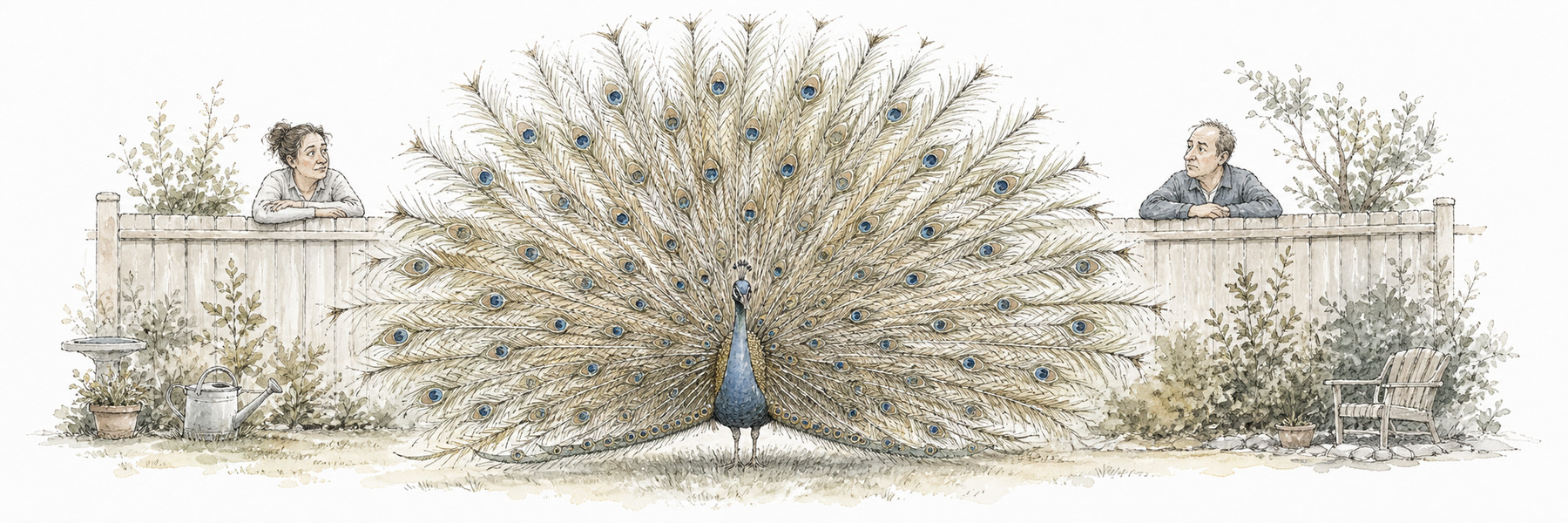
Grandiose narcissism is the version most people picture first [104,106]. It is confident, attention-seeking, self-important, and openly entitled. Online, grandiose narcissists often broadcast their success, beauty, connections, possessions, and superiority [56,71,114].
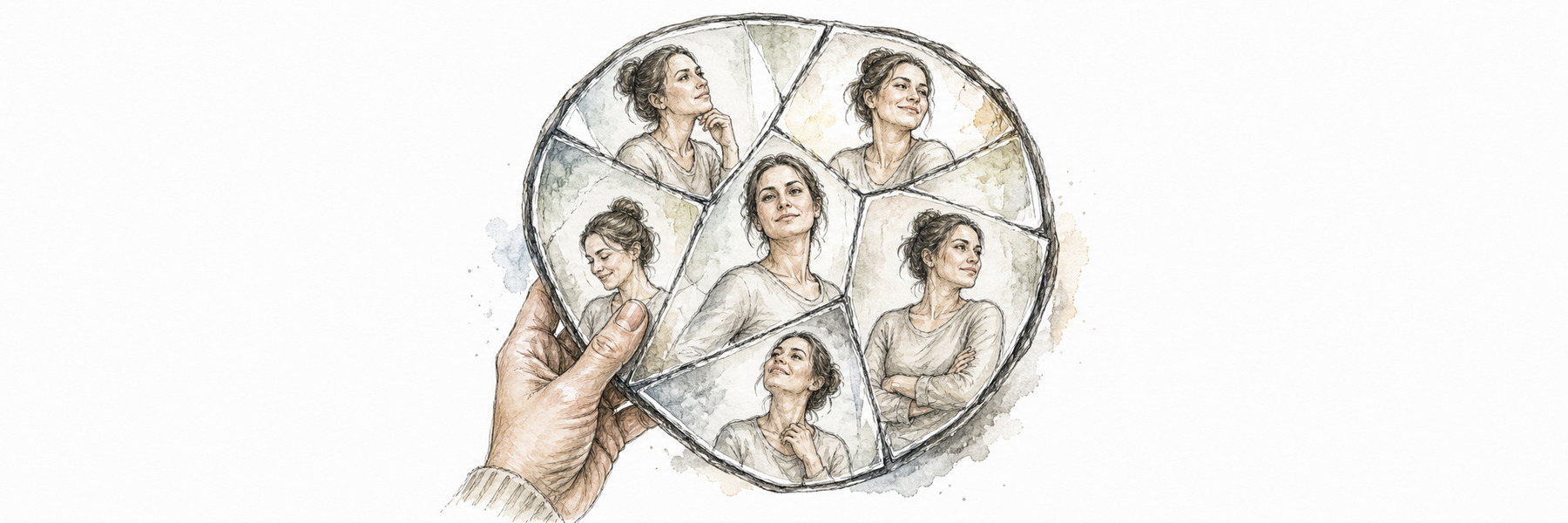
Overt narcissism looks similar. The difference is mostly how openly the traits are displayed. The person is not quietly fishing for admiration. They are asking for it directly or behaving as if it is already owed.
Vulnerable and Covert Narcissism
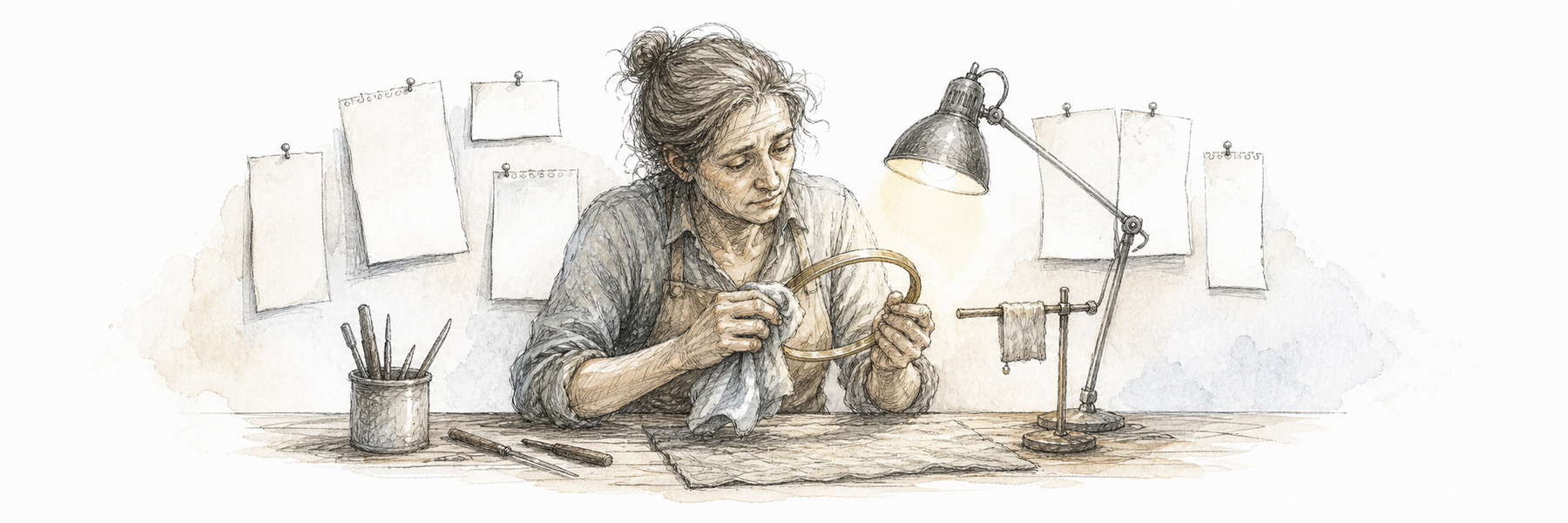
Vulnerable narcissism is easier to miss because it often hides under insecurity, self-pity, wounded sensitivity, or withdrawal [106–110]. The person still feels special, misunderstood, or entitled, but the presentation is more brittle than flashy.
Covert narcissism overlaps a lot with that pattern. Online, it can look like:
- victim-posting that always returns to personal superiority
- passive-aggressive guilt trips
- fragile reactions to mild criticism
- constant need for reassurance
- subtle manipulation dressed up as pain
Vulnerable narcissism often handles achievement threats and interpersonal threats very differently [108–110]. Someone may seem fine with competition, performance pressure, or outward success, yet unravel when they feel unappreciated, exposed, or emotionally slighted. That split is one reason vulnerable narcissism can feel so confusing in close relationships.
Communal Narcissism
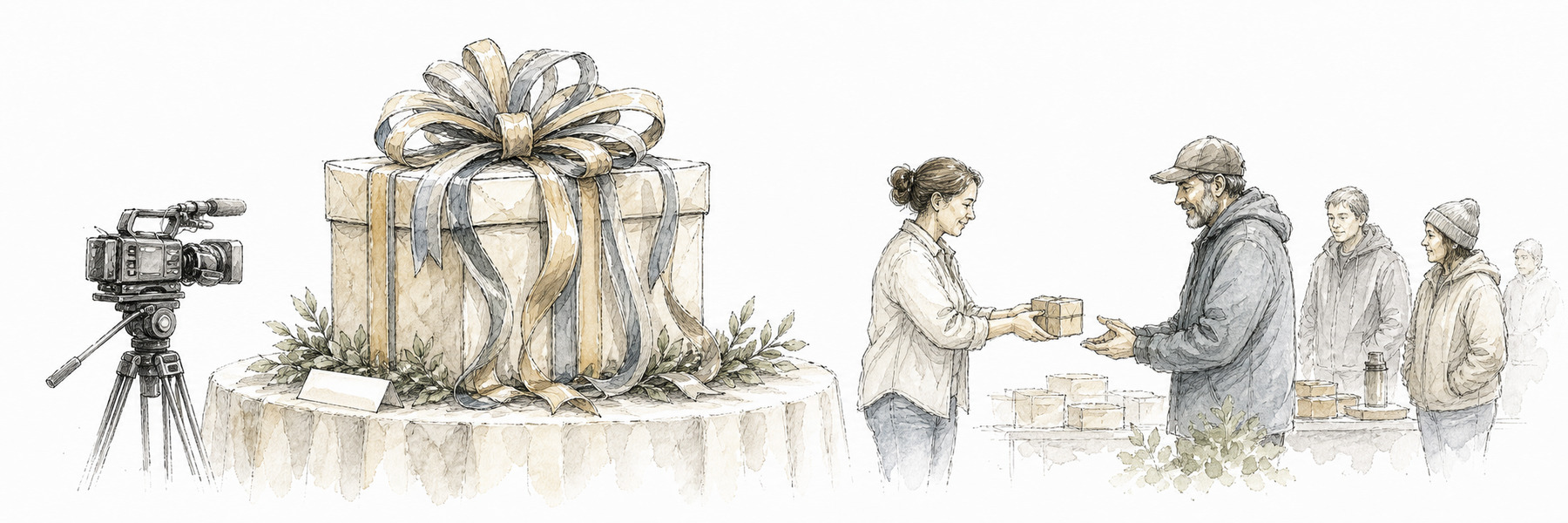
Communal narcissists want to be admired for being generous, moral, helpful, or unusually compassionate [111]. They do not always brag about money or beauty. They may brag about being the most selfless person in the room.
Online, communal narcissism can look like:
- virtue signaling for applause
- public “helping” that centers the helper
- generosity used as leverage
- moral language used to control or shame others
This subtype may look kinder on the surface. It can still be manipulative.
Somatic Narcissism
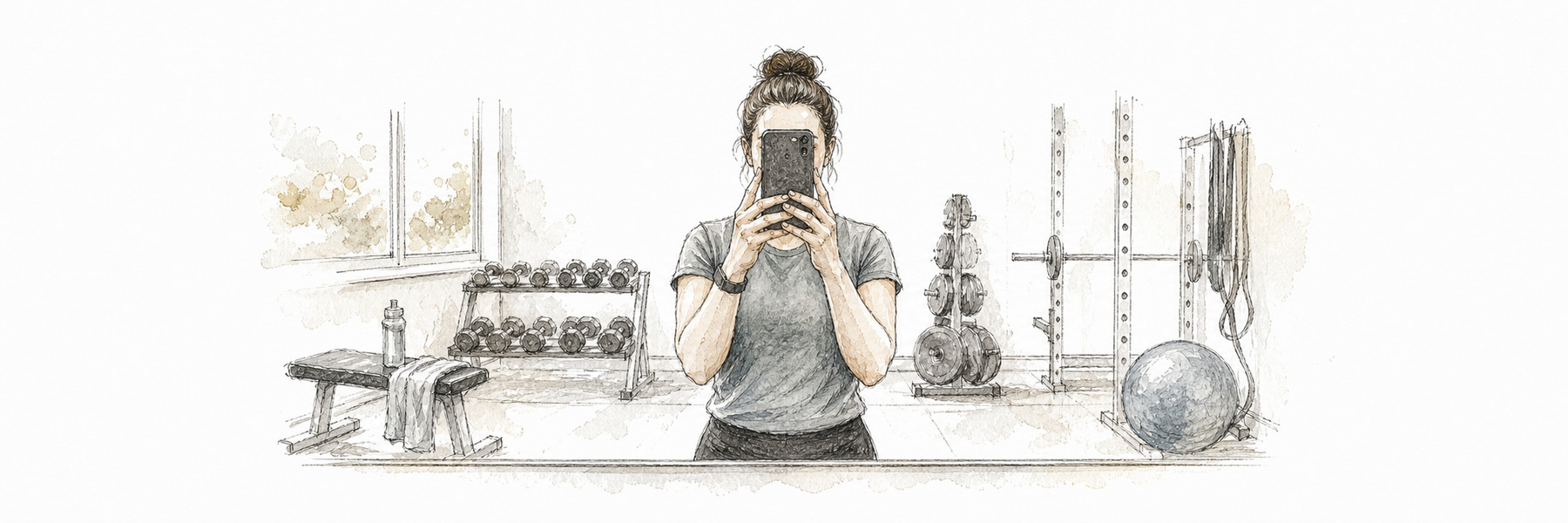
Somatic narcissism centers self-worth around the body, sexual desirability, beauty, and physical display [112,113]. For some people, the body becomes the main brand. Every post serves the same message: look at me, want me, envy me.
Posting fitness progress or attractive photos is not automatically narcissistic. The issue is whether appearance becomes the person’s main source of value and social power.
Cerebral Narcissism
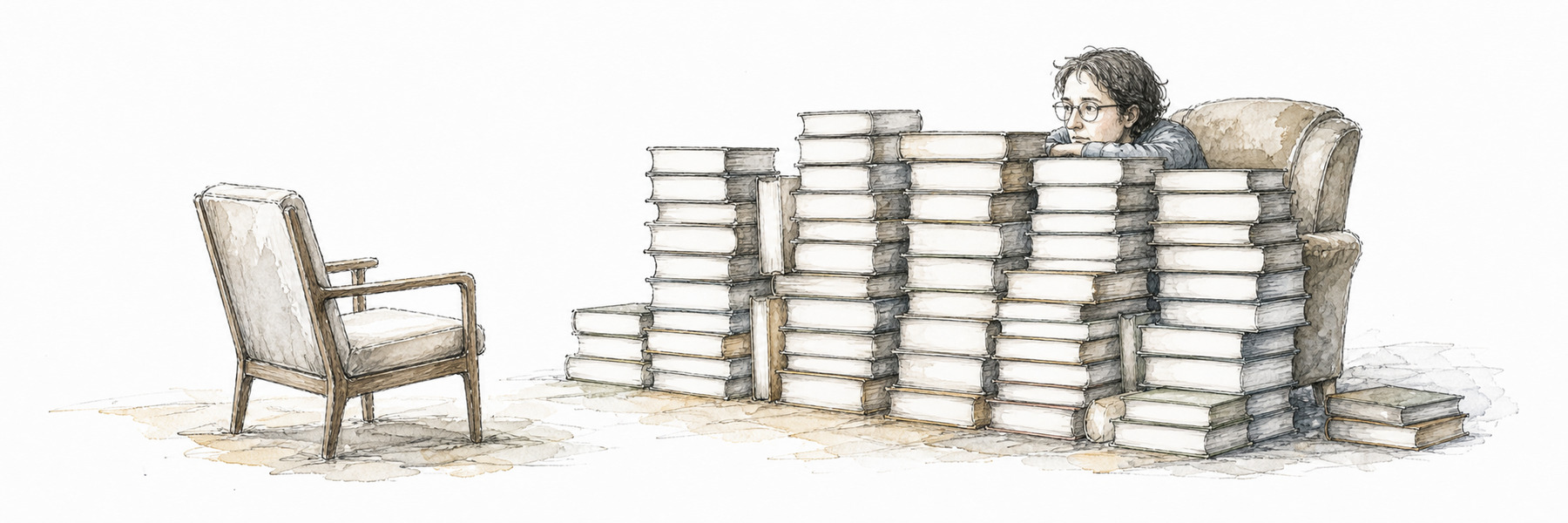
Cerebral narcissists build identity around intelligence, status, expertise, and intellectual superiority [108,114,115]. Their feed may look less like a beauty contest and more like a lecture hall they believe they own.
Instead of flexing muscles or beauty, they flex ideas, credentials, jargon, and contempt for people they consider less informed. The harm here is often less flashy but still real. People can be made to feel small, stupid, or beneath basic respect.
Multiple Accounts and Influencers
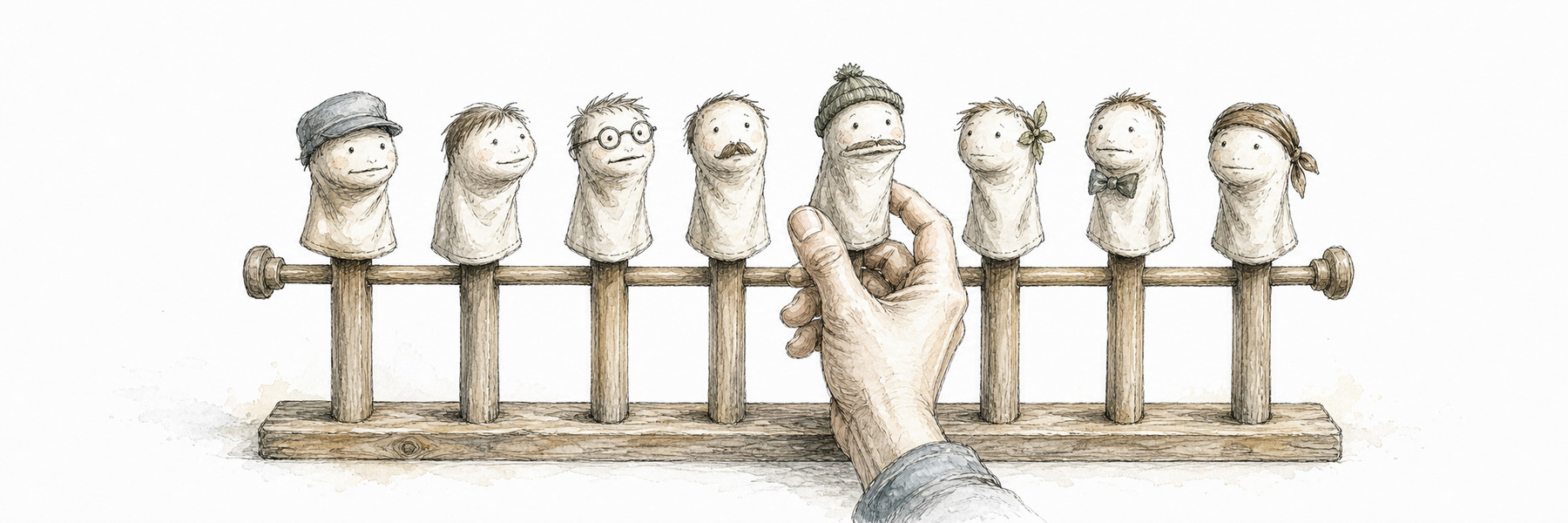
Multiple accounts by themselves do not prove narcissism [116]. People create separate accounts for work, hobbies, privacy, business, and all kinds of normal reasons. The question is not the account count by itself. The question is what the accounts are doing.
Are they being used to inflate status, watch people secretly, stir conflict, or manufacture attention? Using extra accounts that way is different from simply having a work page and a private page.
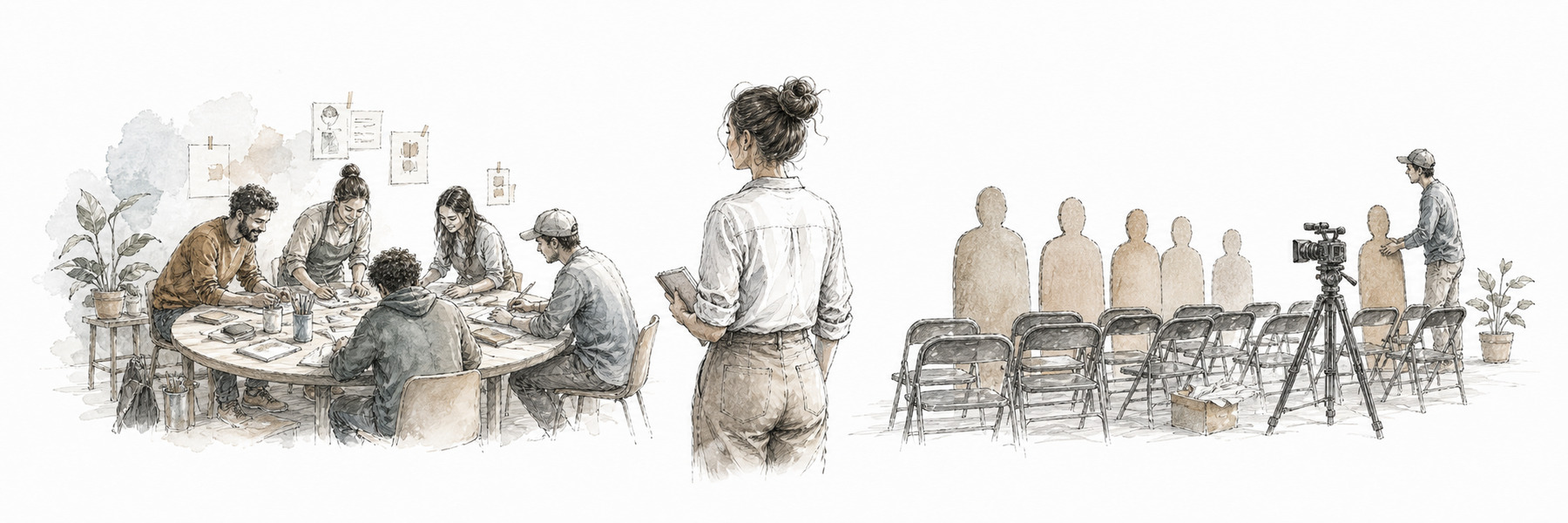
The same caution applies to influencers. Some narcissistic people are drawn to influencing because it offers admiration, reach, and a constant supply of attention [117]. Influencer status alone does not mean a person is narcissistic. Some people simply teach well, entertain well, or build genuine communities.
Again, the real question is pattern:
- Is the person using people or serving them?
- Is the audience a community or a supply?
- Is there any humility, reciprocity, or accountability?
How to Deal With Narcissistic Behavior Online
Understanding the pattern matters. Responding well matters too.
Helpful strategies include:
- keep clear boundaries around time, access, and attention
- do not reward grandiosity just to keep the peace [123]
- use platform tools like mute, block, and report when needed
- stay factual instead of getting pulled into emotional theater
- get support if the interaction starts affecting your mental health
Sometimes the healthiest choice is simply less exposure. You do not have to keep touching the stove to confirm that it is hot.
Before You Only Look Outward, Look Inward
The chapter should not only turn into a searchlight aimed at other people. It should also become a mirror.
Most people have some narcissistic traits at times. Those traits do not make them disordered. They make them human. The honest question is whether those traits are being fed or challenged.
A few useful self-check questions are:
- Do I post mainly to connect or mainly to be admired?
- Do I care more about looking good than being truthful?
- Do I punish people emotionally when I do not feel seen?
- Do I use victimhood, success, morality, beauty, or intellect to control people?
- Can I tolerate criticism without trying to destroy the source?
Tools like the Narcissistic Personality Inventory can prompt self-reflection, but they are not diagnostic [115]. More important than any quick test is whether you are willing to tell the truth about your own patterns.
Learning empathy helps here [126,127]. Journaling, therapy, and paying attention to how people feel after interacting with you can help too [103,125].
Patterns, Not Diagnoses
Social media makes narcissistic patterns easier to perform and easier to miss at the same time. The performance is public. The real cost is often private.
The wise move is not to start diagnosing strangers from their feeds. The wise move is to learn the patterns, trust repeated behavior, protect your own peace, and stay honest enough to examine your own reflection too.
Social Media Is Not a Diagnosis
One warning matters enough to say plainly: you cannot responsibly diagnose Narcissistic Personality Disorder, Borderline Personality Disorder, or any other personality disorder from a profile alone [56,102,120–122]. You can notice patterns. You can decide a person feels unsafe, exhausting, manipulative, or emotionally expensive. You can protect yourself. What you should not do is pretend a few posts equal a clinical evaluation.
The safer question is usually not, “Can I prove what disorder this person has?” The safer question is, “What do this person’s patterns cost the people around them?”