Chapter Twelve: The Dance of Decisions, How We Choose and Why It Matters
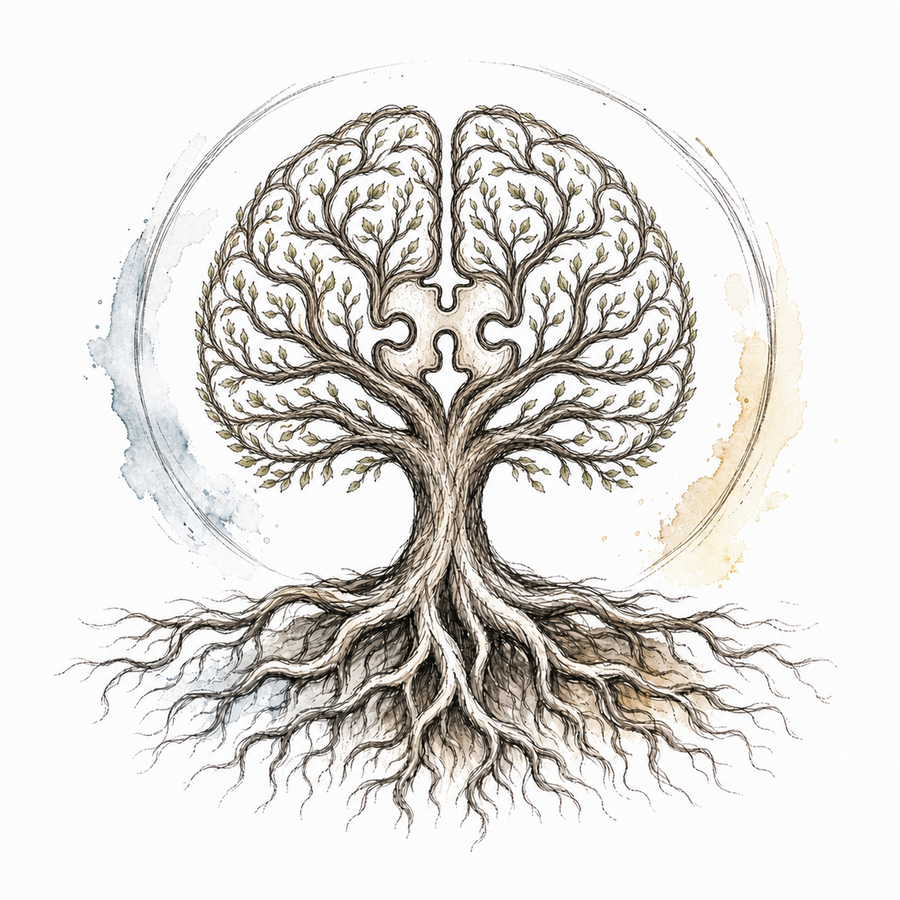
“It is in your moments of decision that your destiny is shaped.”
Tony Robbins
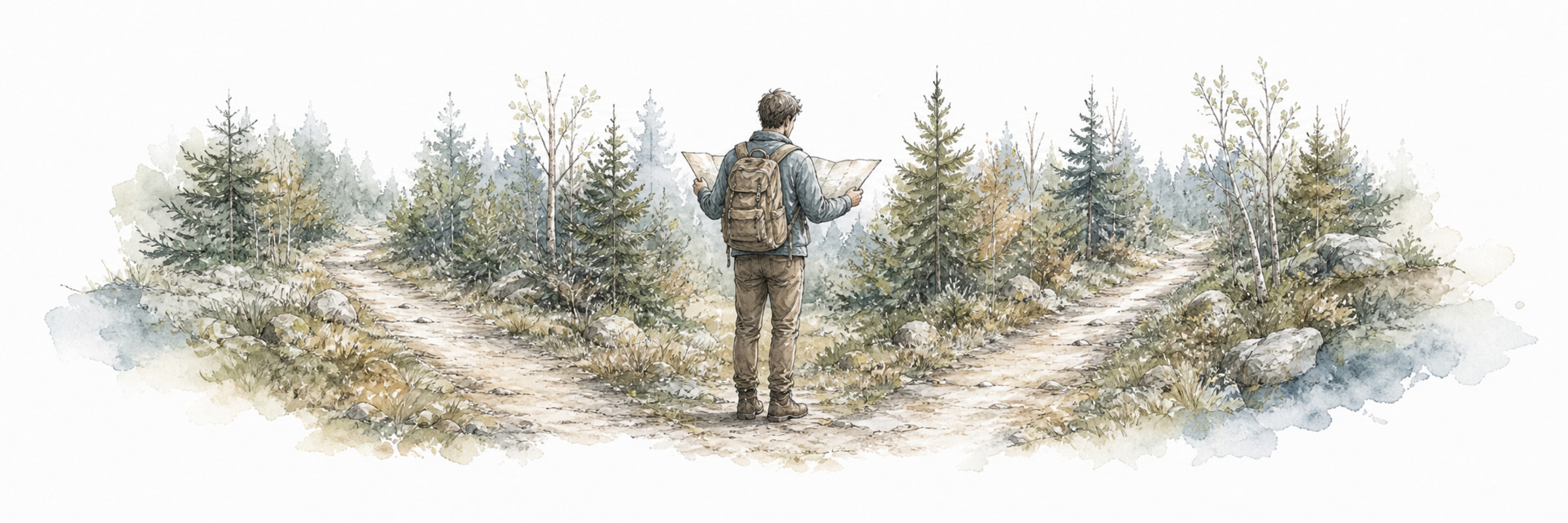
Motivational speaker Tony Robbins is right about one thing: decisions shape more than moods. Every day we make decisions. Some are small enough to pass unnoticed. Others shape years of our lives. Most of us like to imagine that we choose through pure reason, but real decision-making is messier than that. Our choices are shaped by emotion, experience, bias, belief, and logic all at once [43]. Understanding that does not give us perfect answers. It does help us make choices with more honesty and less blindness.
The Process of Decision Making
Decision-making is not a machine that spits out clean answers. It is more like a table where several voices are speaking at once. Logic has a voice. Emotion has a voice. Memory has a voice. Fear, desire, habit, and hope all try to get a vote too. Decision-making means weighing alternatives and choosing the path that best fits our goals, values, and circumstances [43]. The process feels simple only from a distance.
The Role of Emotions
People often talk as if the best decisions come from shutting emotion off. Human beings do not actually work that way. Emotions carry information about what we value, what we fear, and what we desire [44]. In that sense, they are a bit like dashboard lights. They tell us something important is happening. But dashboard lights are not meant to drive the car for us. When emotion is heard but not allowed to take over, it becomes useful instead of chaotic.
Cognitive Biases
Cognitive biases are the shortcuts the mind uses to move quickly through a complicated world. They save time, but they also distort judgment. Overconfidence can make us feel more certain than we should. Confirmation bias can make us notice only the evidence that supports what we already want to believe. Anchoring can make the first number or impression carry more weight than it deserves [44,45]. Good decision-making requires enough humility to admit that our first instinct may not be our best one.
Influence of Beliefs and Experiences
Beliefs and experience shape how we interpret our options. They act like a lens. The same situation can look hopeful to one person and threatening to another because each person is bringing a different history into the room. That difference is not always bad. Experience can protect us from repeating mistakes. It can also trap us if we never question what our past has taught us to expect [46,47]. The lens can be adjusted.
The Role of Logic and Rationality
Logic matters because it slows us down enough to test what we are feeling. It helps us compare options, weigh tradeoffs, and notice when a story in our head does not match the evidence in front of us [47,48]. Being rational does not mean becoming cold. It means giving truth a fair chance before impulse makes the decision for us.
The Complexity of Decision Making
Choices shape direction. Taken together, they become a life. That weight is part of why decision-making feels heavy at times. We are not only choosing between options. We are often choosing between different versions of who we are becoming [43]. Clear decisions rarely come from one perfect formula. They come from learning how your own mind works under pressure.
Improving Your Decision Making
Improving decisions does not mean becoming emotionless or bias-free. It means becoming more aware. Pause long enough to ask what problem you are actually solving. Notice what emotion is driving the moment. Ask what evidence you may be ignoring. Seek another perspective when the choice is important. These habits do not remove uncertainty, but they do help us act with more integrity and less confusion [47,48].
Deciding Well, Not Perfectly
No one makes perfect decisions all the time. We misread situations. We rush. We hesitate. We sometimes choose what is familiar over what is right. Those mistakes do not mean we are doomed to poor judgment. It means we are human.
The goal is not flawless decision-making. The goal is steadier decision-making. When we learn to listen to emotion without bowing to it, question our biases, examine our beliefs, and use reason with humility, we become less reactive and more deliberate. That kind of growth does not make life simple. It does make us better prepared to meet it.