Chapter Two: Relational Trauma and PTSD, Finding a Way Through
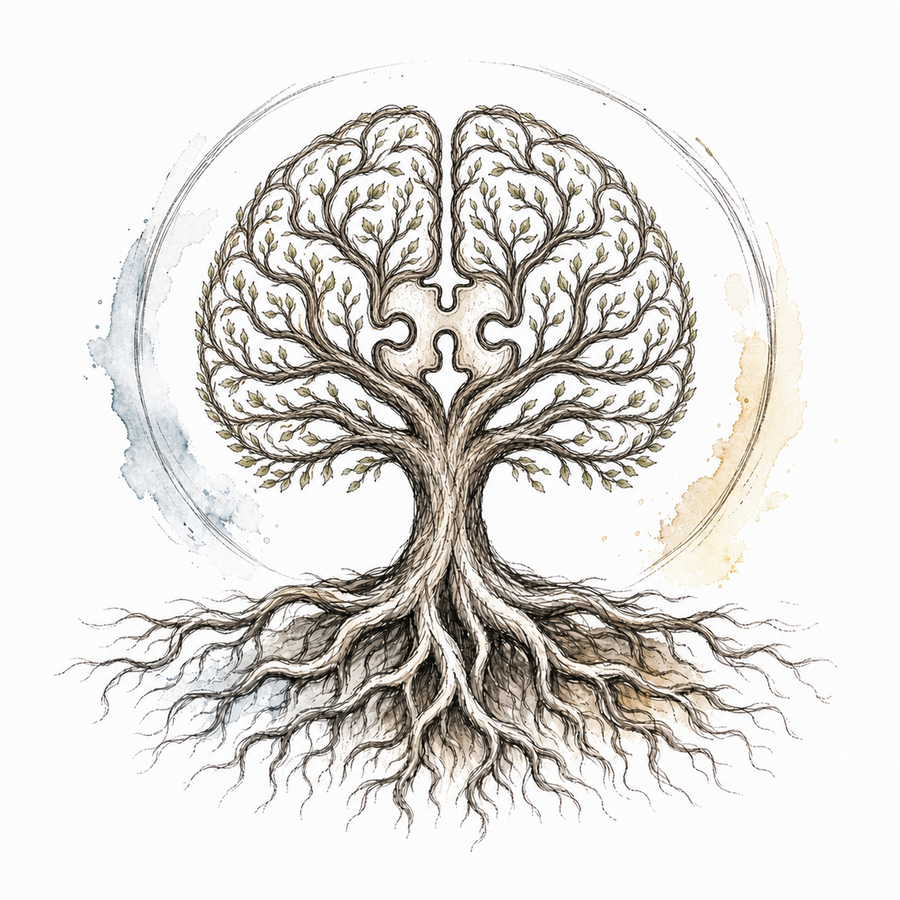
“The wound is the place where the Light enters you.”
Jalāl al-Dīn Muḥammad Rūmī

Persian poet Jalāl al-Dīn Muḥammad Rūmī wrote about wounds and transformation. After trauma, the possibility of change can be difficult to imagine. When people hear PTSD, they often think first of war, combat, and physical danger. But trauma can also grow inside close relationships, especially where abuse, betrayal, fear, or chronic emotional harm have been present. This chapter looks at relational trauma and PTSD that can grow out of painful relationships. It also offers practical ways to understand the damage, support healing, and build safer love going forward.
Differences Between Relational Trauma and Combat PTSD
When home becomes the place that hurts you, the wound can run very deep.
The Spotlight on Combat PTSD
Combat PTSD has received far more public attention and clinical focus, largely because it is tied to life-threatening events and is common among veterans. People with combat PTSD have often been exposed to death, serious injury, or sexual violence. Symptoms can include flashbacks, nightmares, severe anxiety, and intrusive thoughts about the traumatic event [56].
The Overshadowed Reality of Relational Trauma
Relational trauma is talked about less often, even though it can be deeply damaging. This kind of trauma can grow out of emotional or psychological abuse, betrayal, or neglect within close relationships. It can show up as emotional numbness, hypervigilance in relationships, and a lasting sense of insecurity [584].
The Core Difference: Survival Contexts
One major difference lies in the kind of survival at stake. Combat PTSD grows out of situations where physical survival is under direct threat. The danger is often immediate and external.
Relational trauma is often about emotional survival inside a bond that should have felt safe. The threat comes from the very person who was supposed to offer care, steadiness, or protection. Because that harm often builds over time, it can be harder to recognize and harder to name clearly [584].
The Overlapping Symptoms
Despite those differences, both forms of PTSD can include hypervigilance, emotional numbness, and intense anxiety. That overlap can make the two harder to distinguish, especially when someone has lived through both kinds of trauma [56].
Understanding the difference helps people name their pain more honestly. That clarity matters, because healing usually begins when we stop forcing one kind of trauma into the language of another.
Common Reasons for Relational Trauma and PTSD
Sometimes the deepest harm comes from the people we trusted most.
Emotional Abuse
One of the most common sources of relational trauma is emotional abuse. The damage may not leave visible bruises, but it can cut deeply into a person’s sense of self. Emotional abuse can include manipulation, belittling, constant criticism, and gaslighting that causes someone to doubt their own perceptions and feelings [80].
Betrayal
Betrayal is another major source of relational trauma, often through infidelity or other serious breaches of trust. When trust is broken in a close bond, people can feel humiliated, disoriented, and unsure of what was real [585].
Neglect
Neglect is another cause that people often underestimate. Emotional unavailability, indifference, or the steady absence of support can wound a person as surely as more active forms of abuse. That kind of absence can leave someone feeling isolated, unseen, and unworthy of care [584].
The Cumulative Nature of Relational Trauma
One hard part of relational trauma is that it often accumulates. Instead of one single event, the harm may come through repeated moments of abuse, betrayal, fear, or neglect. Over time, those repeated injuries can reach a breaking point and begin to shape PTSD symptoms [80].
Understanding the common causes can help people recognize warning signs earlier. That awareness can make it easier to seek help, set boundaries, and protect future relationships from the same pattern.
Gender Differences in Experience
Pain does not follow simple rules, even when stereotypes try to force it into them.
Emotional Abuse: A Gendered Experience?
Research suggests women are more likely to report emotional abuse, including manipulation and gaslighting [586]. These tactics can erode confidence and leave the victim confused about their own perceptions, feelings, and judgment [80].
Neglect and Emotional Abandonment
Men may be more likely to experience neglect and emotional abandonment [586]. That kind of harm can be just as painful, but it is often harder for others to see and easier for the person experiencing it to dismiss or hide. The result can be deep loneliness, shame, and a long-running sense of emotional isolation [584].
Beyond Gender Stereotypes
These are general patterns, not hard rules. Men and women can both experience every form of relational trauma. Gender expectations may shape how abuse is carried out and how people talk about it, but they do not define who can be harmed [586].
Paying attention to these differences can help people notice abuse sooner and tailor support more wisely.
Helping Your Partner Overcome Relational Trauma and PTSD
You cannot heal your partner for them, but you can love them with patience and steadiness.
Be Patient and Understanding
Recovery from relational trauma and PTSD usually takes time. There will often be better days and harder days. Patience and steadiness matter, especially when progress does not move in a straight line [80].
Encourage Open Communication
Creating a safe place for your partner to speak honestly can help healing. At the same time, hard conversations can bring up fear or painful memories. Move gently, listen carefully, and let your partner share at a pace that feels manageable [584].
Support Healthy Coping Strategies
Encouraging healthy coping strategies can make a real difference. Grounding exercises, slow breathing, and professional therapy can help during moments of high stress or anxiety [577]. Therapeutic approaches such as Cognitive Behavioral Therapy (CBT) or Eye Movement Desensitization and Reprocessing (EMDR) may also help, depending on the person and their needs [587].
When you stay patient, communicate honestly, and support healthy coping, you help your partner heal more safely. You also help build a relationship that feels more trustworthy, more grounded, and more kind.
Importance of Communication About Triggers
“The first step in the evolution of ethics is a sense of solidarity with other human beings.” -Albert Schweitzer
Understanding your partner’s triggers can help both of you move through life with more care. It is a bit like having a map through an emotional minefield. The goal is not to live in fear or walk on eggshells. It is to know where pain is most likely to surface so you can respond with wisdom instead of confusion [588].
Talking about triggers can feel vulnerable. Your partner may feel exposed, ashamed, or afraid of being misunderstood. Approach these conversations with gentleness so they feel safe enough to be honest [584].
Knowing each other’s triggers helps the partner too. It can ease some of the fear that comes from accidentally causing harm. Over time, this kind of shared understanding can make the relationship feel more secure and more open [589].
Acknowledging Mistakes
“The world breaks everyone, and afterward, some are strong at the broken places.” -Ernest Hemingway
No one will handle this perfectly. The supportive partner will sometimes say the wrong thing, misread a moment, or trigger pain without meaning to. Owning those mistakes matters, because repair is part of how trust is rebuilt [590].
Mistakes can hurt, but they can also teach. When something goes wrong, it helps to talk about it openly, understand the impact, and think together about how to do better next time [188].
For the person with PTSD, it can be deeply healing to experience a relationship where harm is named and repair is attempted. That experience may stand in sharp contrast to earlier relationships where their feelings were dismissed or twisted [584].
It is also possible to become so afraid of making mistakes that you grow stiff, hesitant, or emotionally distant. Thoughtfulness matters, but so does authenticity. Real connection asks for both care and honesty [82].
Triggers and Fears in a Healthy Relationship
In a healthy relationship, triggers and fears do not simply vanish. Very often they become easier to see. This new clarity can feel discouraging at first, but it can also become an opportunity for deeper understanding and healing [588].
A healthier relationship often brings buried fears into clearer view. A healthier relationship can also act like a mirror. It does not only show what is good in us. It also shows where old wounds still ache. A clearer view of those buried fears can feel unsettling, but it also creates a chance to understand where they come from and how to respond with more care [324]. When triggers surface, both partners can learn more about the wounds behind them and the coping strategies that may help [298].
For the person with PTSD, this process can be painful and clarifying at the same time. It offers a chance to face fears in a safer environment, which can be an important part of healing [591]. For the supportive partner, the same process can become an opportunity to grow in understanding, patience, and empathy [188].
Both partners need to approach these moments with curiosity rather than judgment. The goal is not to fix the person with PTSD. The goal is to understand them better and support them more wisely [82].
Seen rightly, the presence of triggers is not always proof that the relationship is failing. Sometimes it shows that real closeness is uncovering pain that had been buried. Handled well, that can become part of a deeper, healthier bond [592].
The Concept of Synergy in Healing
In relationships shaped by past trauma, healing is still personal work. Even so, a good partnership can strengthen that work. Here, synergy means that the relationship helps both people grow in ways they might not manage alone [54].
Systems theory helps explain why this happens. The interaction inside a relationship can create something more than the simple sum of two separate people [593]. In practice, that means the bond itself can become a place of mutual healing and growth [188].
For the person carrying relational trauma or PTSD, this kind of relationship can provide a secure base from which to face fears and triggers [594]. That sense of safety can strengthen the work they are already doing in therapy and make healing more sustainable [285].
For the supportive partner, the relationship can also become a place of growth. It asks for empathy, patience, and emotional maturity, and those qualities can deepen a person well beyond the relationship itself [12].
This kind of synergy does not happen automatically. It takes honest communication, emotional availability, and a shared commitment to growth [595].
When those pieces are present, the relationship itself can become part of the healing. It does not replace individual work, but it can support it in a powerful way [596].
Synergy in Healing vs. Trauma Bonding
Two ideas can sound similar while leading people in very different directions: synergy in healing and trauma bonding. Understanding the difference matters, especially for people trying to heal without repeating old harm.
Synergy in Healing
Synergy in healing means both partners contribute to each other’s emotional and psychological well-being. The relationship is built on respect, trust, honesty, and a shared desire to grow [188]. Each person becomes stronger with the other, not smaller because of them.
Trauma Bonding
Trauma bonding is different. It is a harmful cycle in which an abused person becomes emotionally attached to the person hurting them. That attachment is usually rooted in fear, relief, longing, and survival rather than mutual respect. People caught in trauma bonds may mistake brief calm, or the temporary absence of abuse, for genuine love and safety [597].
Objectively Telling the Difference
- Mutual Growth vs. Stagnation: In a synergistic relationship, both partners grow. In trauma bonding, one person’s growth is often at the expense of the other’s well-being.
- Equality vs. Power Imbalance: Synergistic relationships are built on equality, while trauma bonds often involve a significant power imbalance.
- Open Communication vs. Secrecy: Synergistic relationships thrive on open communication, whereas trauma-bonded relationships often involve secrecy, manipulation, and gaslighting.
- Freedom vs. Control: In a healthy, synergistic relationship, both partners have the freedom to be themselves. In a trauma bond, one partner often controls the other through emotional manipulation or even threats.
What to Watch Out For
- Justification of Abuse: If you find yourself constantly justifying your partner’s abusive behavior, it’s a red flag.
- Isolation: Abusers often isolate their victims from friends and family to exert more control.
- Emotional Roller Coasters: Extreme highs and lows are common in trauma-bonded relationships but are not a feature of healthy, synergistic ones.
- Lack of Personal Growth: If you find that your personal growth is stunted or regressing, it’s time to evaluate the health of your relationship.
Knowing the difference can help you make wiser decisions about your life and your relationships. It can also help you stop calling a painful bond “healing” when it is really keeping you trapped.
Additional Resources
Relational trauma and PTSD often call for more than one kind of support. These resources can help alongside personal effort and safe relationships:
Therapy and Counseling
Professional support is often essential for both the person carrying the trauma and, at times, their partner. Therapists can offer evidence-based approaches such as Cognitive Behavioral Therapy (CBT) or Eye Movement Desensitization and Reprocessing (EMDR), both of which can help reduce PTSD symptoms [598]. For couples, Emotionally Focused Therapy (EFT) may help rebuild trust and strengthen emotional communication [188].
Support Groups
Support groups can also help. Sharing space with people who understand the struggle can reduce isolation and offer practical wisdom that is hard to find alone [304].
Books and Educational Material
Books and educational materials can serve as helpful companions to therapy [591]. Here is a recommended list:
- “The Body Keeps the Score: Brain, Mind, and Body in the Healing of Trauma” by Bessel van der Kolk
- “Attached: The New Science of Adult Attachment and How It Can Help You Find - and Keep - Love” by Amir Levine and Rachel Heller
- “Healing the Fragmented Selves of Trauma Survivors” by Janina Fisher
- “Trauma and Recovery: The Aftermath of Violence–From Domestic Abuse to Political Terror” by Judith Herman
- “Hold Me Tight: Seven Conversations for a Lifetime of Love” by Dr. Sue Johnson
- “Waking the Tiger: Healing Trauma” by Peter A. Levine
- “It Didn’t Start with You: How Inherited Family Trauma Shapes Who We Are and How to End the Cycle” by Mark Wolynn
- “Complex PTSD: From Surviving to Thriving” by Pete Walker
- “The Drama of the Gifted Child: The Search for the True Self” by Alice Miller
- “In an Unspoken Voice: How the Body Releases Trauma and Restores Goodness” by Peter A. Levine
Online Platforms
Online platforms and apps can offer guided exercises, educational material, and community support. They should not replace professional care, but they can be useful additions [599].
Family and Friends
Trusted friends and family can be a real source of stability. Their presence, care, and practical help can ease stress and help a person feel less alone [35].
Taken together, these resources can help people heal more steadily and build a healthier future.
Healing Is Still Possible
Healing from relational trauma and PTSD is rarely simple or predictable. There will often be setbacks, fear, and moments that feel painfully exposed. Even so, healing can still open the door to deeper self-understanding, safer connection, and a more honest kind of peace.
Understanding the difference between relational trauma and combat PTSD can help people name what they are facing. The causes may differ, but both can wound a person’s ability to trust, love, and feel safe in close relationships.
Gender patterns may shape how trauma is experienced or talked about, but every person’s story is still their own. Approach your partner’s pain with humility rather than assumptions.
Supporting a partner through trauma calls for patience, honesty, and emotional steadiness. It means being present without pretending you can fix everything. It also means accepting that mistakes will happen and choosing repair over defensiveness.
A healthy relationship may bring old triggers into clearer view. That clearer view can be uncomfortable, but it can also create space for real healing when both people stay honest, caring, and willing to learn. Good love does not erase trauma, but it can support the hard work of healing in ways that matter deeply.
Professional therapy, support groups, books, and trusted people can all play a part. Different forms of support often work best together.
In the words of Brené Brown, “Owning our story and loving ourselves through that process is the bravest thing that we’ll ever do.” If relational trauma has touched your life, I hope you remember this: what happened to you matters, your pain is real, and healing is still possible. It may take time, help, honesty, and more courage than you expected, but a safer and steadier life can still be built.