Chapter Three: Defining True Strength, Overcoming Hardships with Resilience and Humility

“Strength does not come from physical capacity. It comes from an indomitable will.”
Mahatma Gandhi
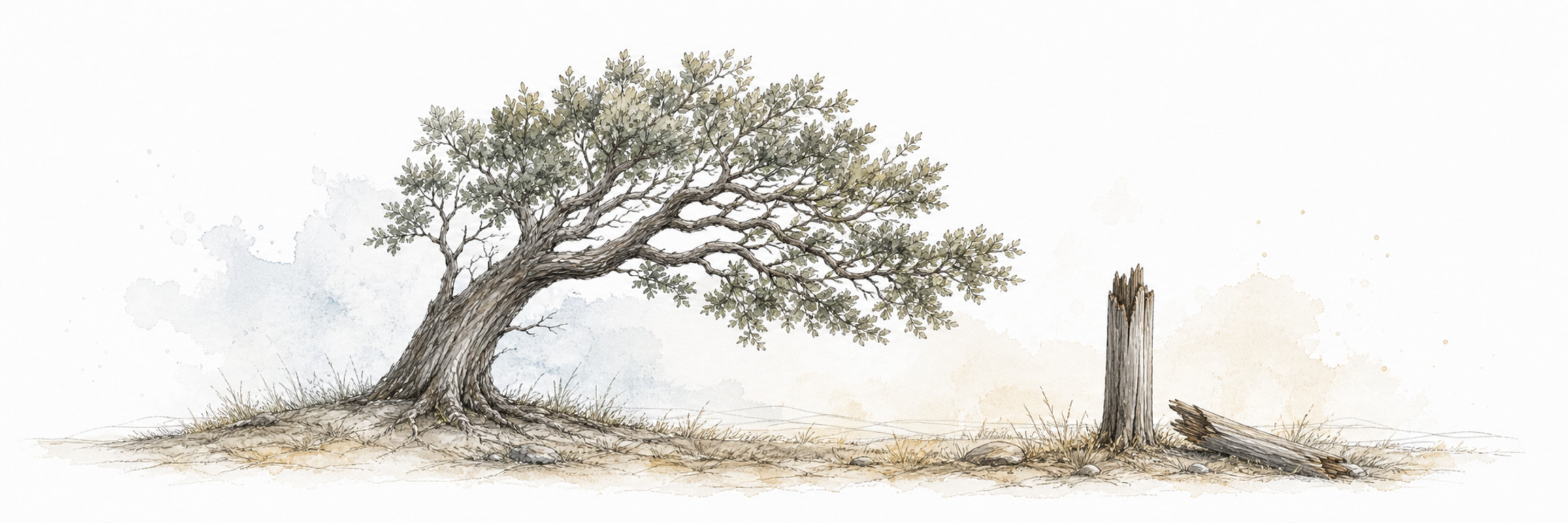
Indian independence activist Mahatma Gandhi’s line points in the right direction. Strength is easy to misunderstand. People often confuse it with force, toughness, silence, or the ability to dominate. Real strength is steadier than that. It shows up in how a person carries pain, tells the truth, treats others, and keeps going without losing their humanity.
How Strength Is Built
Most strong people did not start out that way. Strength is usually built through difficulty. It grows when people endure hardship, adapt, learn, and keep moving instead of collapsing into helplessness or cruelty.
That idea fits well with the psychology of resilience. Resilience is not something a few lucky people are simply born with. It involves patterns of thought, behavior, and support that can be learned and strengthened over time [1].
Adversity can also become a place of growth. Tedeschi and Calhoun describe post-traumatic growth as the kind of positive change that can emerge after real hardship [2]. Pain does not automatically make people deeper or wiser, but pain can become part of a deeper life when it is faced honestly.
Determination and Grit
Strength includes determination. Angela Duckworth’s research on grit points to the power of staying committed to meaningful long-term goals even when life gets hard [3].
That kind of determination is not loud. Often it looks ordinary from the outside. It is the parent who keeps showing up. The grieving person who keeps taking the next step. The man or woman who refuses to become bitter even after being hurt.
True strength does not mean never falling apart. It means getting back up without pretending the fall never happened.
Strength Also Includes Empathy
One of the biggest mistakes people make is treating strength like a solitary quality. Real strength also includes the ability to understand other people.
Empathy matters because strength without empathy easily becomes harshness. Research on empathy suggests it supports healthier emotional and social outcomes, and it can improve the way people relate across difference and conflict [4,5].
There is strength in listening carefully. There is strength in trying to understand pain that is not your own. There is strength in refusing to use your suffering as an excuse to become careless with someone else’s.
This kind of strength also connects to emotional intelligence. Goleman argues that the ability to understand and manage emotion matters deeply in human life [12]. Barrett’s work on emotional granularity adds something important too: people who can name and understand emotional states more clearly are often better able to regulate them [6].
Self-Awareness and Humility
Strong people know they are not invincible. They know where they are tired, reactive, limited, or wounded. That self-awareness matters because denial makes people brittle. Humility makes them teachable.
A person who cannot admit weakness often becomes ruled by it. A person who can name weakness has a chance to work on it. That kind of honesty is one reason humility belongs in any honest definition of strength.
Viktor Frankl’s work on meaning also helps here. People can survive terrible things when they still have some sense of meaning, responsibility, or purpose [13]. Strength is not only about endurance. It is also about what you endure for.
Self-Care Is Part of Strength
Self-care is often mistaken for softness. In reality, it is part of staying strong for the long haul. Burnout, emotional neglect, and constant self-denial do not usually make people stronger. They make people depleted [9].
Seeking help is also part of strength. Brené Brown’s work reminds us that imperfection, vulnerability, and the willingness to be seen are tied to courage, not weakness [10]. Kristin Neff’s work on self-compassion also points to a healthier way of treating ourselves when we struggle [11].
Strong people know when to rest, when to ask for help, and when to stop pretending they can carry everything alone.
The Kind of Strength Worth Respecting
The strongest people are rarely the most intimidating people in the room. Often they are the people who can remain calm under pressure, honest in pain, compassionate in conflict, and grounded in difficulty.
Southwick and Charney describe resilience as the ability to bounce back and keep adapting through adversity [8]. That resilience is part of strength, but not all of it. The fuller picture includes resilience, empathy, humility, self-awareness, and care for self and others.
So if you want to become stronger, do more than harden yourself. Learn how to recover. Learn how to listen. Learn how to stay kind without becoming weak and how to stay firm without becoming cruel.
What Strength Comes Down To
True strength is not about looking unbreakable. It is about becoming the kind of person who can face hardship without surrendering conscience, compassion, or hope.
It takes strength to endure. It also takes strength to understand, to apologize, to ask for help, to keep your word, and to remain humane under stress. That kind of strength is harder to fake and more valuable to build.
Life will test all of us. The point is not to become harder than life. The point is to become steady enough, wise enough, and honest enough to meet life well.