Chapter Five: ADHD or Narcissism, The Overlap and Misdiagnosis of Similar Traits
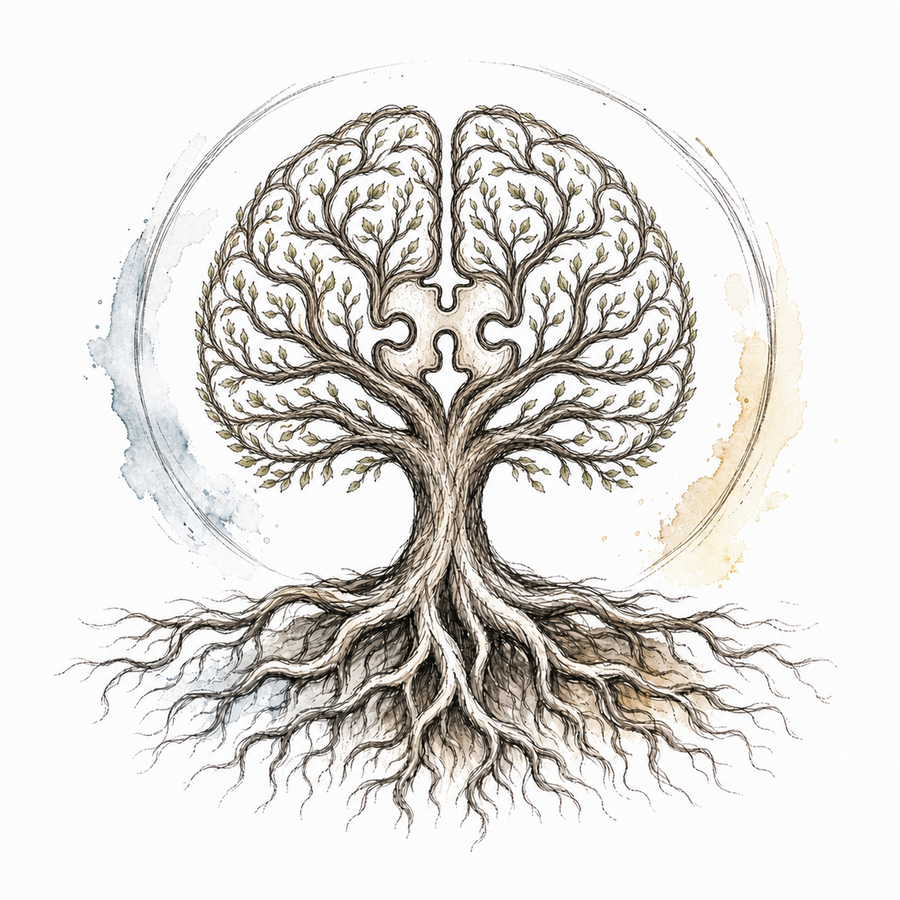
“We cannot change anything until we accept it. Condemnation does not liberate, it oppresses.”
Carl Jung
Attention problems, impulsive behavior, and strained relationships can lead people to wonder what is happening beneath the surface. Those observations alone cannot distinguish ADHD from a personality disorder, and the conditions can also coexist [56,444]. This chapter examines why similar-looking behavior can have different explanations and why careful assessment matters. Psychiatrist Carl Jung’s warning above sets the tone: naming a pattern accurately is the first step toward changing it, while mislabeling it only adds condemnation.
The Interplay of ADHD and Narcissistic Traits
ADHD and Narcissistic Personality Disorder are distinct diagnoses [56]. Research on adults with ADHD describes difficulties with attention, follow-through, and emotional regulation that can strain relationships [439,440]. Research on pathological narcissism examines different patterns involving self-esteem, entitlement, and interpersonal functioning [103]. A person who notices self-focused or impulsive behavior cannot reliably infer its cause from that observation alone.
Understanding ADHD and NPD
ADHD is a neurodevelopmental disorder marked by persistent patterns of inattention, hyperactivity, and impulsivity that interfere with daily life [56,441,442]. Narcissistic Personality Disorder is a personality disorder marked by grandiosity, a strong need for admiration, and impaired empathy, often wrapped around a fragile sense of self [56,57,443]. Someone with ADHD may interrupt, forget, lose focus, or react quickly because of attention and regulation problems. Someone with NPD may appear similarly self-focused, but the pattern is more often tied to image, entitlement, control, shame, or the need to protect a grandiose self-view [443,448].
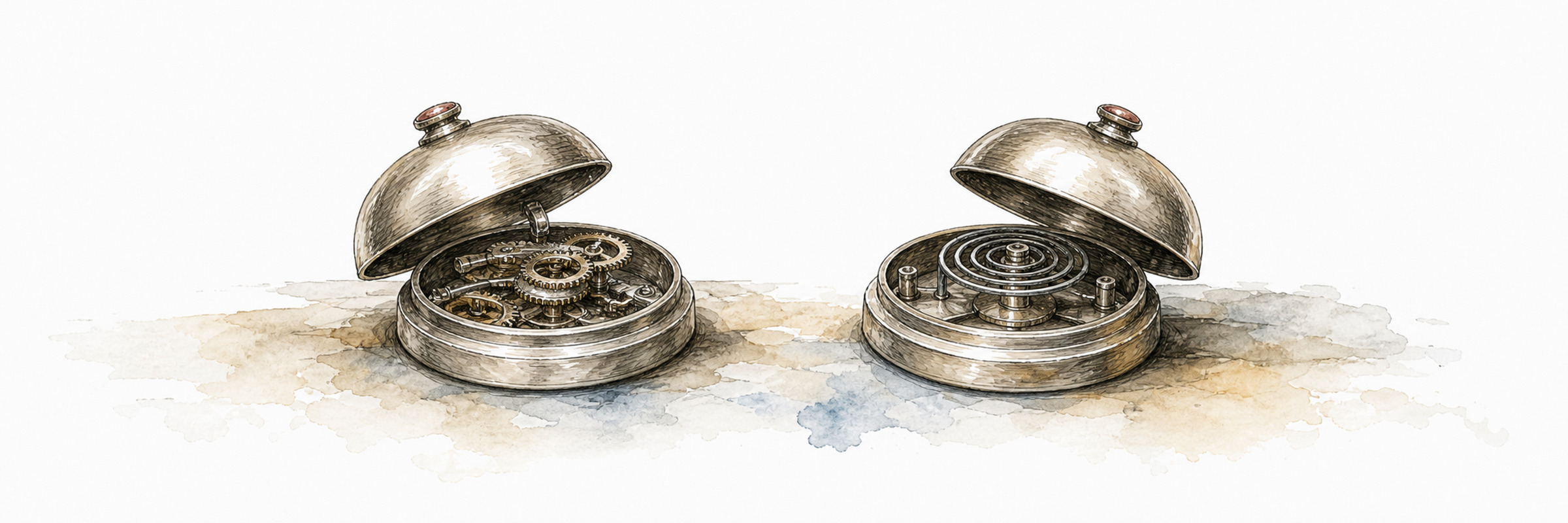
One helpful way to think about the difference is this: two people can both knock over the same lamp, but for different reasons. One may be rushing, distracted, and genuinely disorganized. The other may be so fixed on their own needs that the rest of the room barely registers. From the outside the lamp is still broken, but the cause is not the same.
The Challenge of Overlap and Misdiagnosis
An assessment can go wrong when one visible behavior is treated as the whole diagnosis [56,444]. Impulsivity is a good example. In ADHD, impulsivity often shows up as interrupting, acting before thinking, or struggling to pause long enough to weigh consequences [444]. In NPD, impulsive behavior may be tied more closely to entitlement, retaliation, or attempts to protect status and self-image [443,445].
Relationship stress can also blur the picture. Adults with ADHD may struggle with attention, follow-through, and emotional attunement in ways that affect intimacy [439,440,446]. People with stronger narcissistic traits may struggle with empathy, accountability, and sustained care for another person’s reality [57,443,448]. Those problems can look similar in a wounded relationship, which is why surface behavior alone is not enough.
The Diagnostic Maze
Good diagnosis usually comes from a fuller pattern, not one dramatic moment. Clinicians often look at history, motivation, emotional structure, and how the person functions across settings.
- Questionnaires and psychological tests: Tools such as the Young Schema Questionnaire Long Form 3 can help identify entrenched maladaptive schemas that may be more relevant to personality pathology than to ADHD alone [443,447].
- Documented behavior patterns: Longstanding patterns in relationships, work, criticism response, and empathy often tell the story more clearly than a short self-description [448].
- Clinical interviews: ADHD interviews usually focus on symptom persistence, developmental history, and functional impairment. Personality-focused interviews look more closely at self-image, defenses, emotional experience, and interpersonal patterns [440,449].
- Collateral information: Family members, partners, or close friends can sometimes describe patterns the person does not see clearly in themselves [439].
- Differential diagnosis and comorbidity review: Because ADHD, NPD, and other Cluster B patterns can overlap, good assessment often uses a multi-method approach instead of jumping to a label too quickly [444,451,454].
Treatment for ADHD and NPD
Treatment follows the diagnosis, which is another reason accuracy matters. Adults with ADHD may benefit from psychoeducation, practical or psychological support, and medication when clinically appropriate [441,463]. NPD is more likely to call for psychotherapy that addresses self-structure, shame, relational patterns, and defenses over time [449].
Therapy approaches can differ depending on what is present. Metacognitive Interpersonal Therapy, for example, is designed to help people with personality disorders better understand their own minds, the minds of other people, and the relational patterns that keep hurting them [449]. If borderline features or severe emotional dysregulation are also part of the picture, that can shape treatment planning as well [451,452,453,454].
The goal is not to shame someone with a diagnosis. The goal is to match the help to the problem. A map is useful only if it names the terrain correctly.
Living With a New Diagnosis
Getting a diagnosis can stir up relief, fear, anger, and grief all at once. Some people finally feel seen. Others feel exposed. Both reactions make sense.
A diagnosis is not a final verdict on your worth. It is closer to a flashlight. It helps you see what has been happening, where the pain is coming from, and what kind of help might actually work [438,449]. That kind of clarity can be uncomfortable, but it is still better than wandering in circles.
Support groups, therapist-led groups, and well-run treatment communities can help too. They give people a place to compare notes, reality-check themselves, and learn from others who are dealing with similar patterns [439].
If the Narcissistic Traits Are Yours
The hardest part of this chapter deserves honesty. If narcissistic traits are part of your life, change usually begins only when the cost of those traits becomes harder to deny than defend [443,448]. That turning point may come after repeated relationship loss, work conflict, collapse after criticism, or a moment when the old explanations stop feeling believable [445].
Real change usually asks for several things at once:
- willingness to look at repeated patterns instead of isolated incidents
- willingness to hear painful feedback without rewriting it immediately
- willingness to sit with shame, insecurity, and fear without turning them into blame
- willingness to work with a therapist who understands personality structure and defenses [449]
That process is not quick. A person may understand the problem intellectually long before they can live differently. Defensiveness, blame-shifting, and rationalization can stay strong for a long time [443]. Still, difficult is not the same as impossible. People do change when they become honest enough to stop protecting the pattern that keeps hurting them.
Why the BPD Sources Are Here
Some readers will notice that this chapter includes sources on Borderline Personality Disorder as well as ADHD and NPD. The overlap is intentional. Studies of ADHD and BPD describe overlapping difficulties with impulsivity and emotional regulation, as well as questions about comorbidity [438,451,453,454]. Those findings concern BPD; they do not establish the same relationship between ADHD and NPD.
The DSM-5 places both BPD and NPD in Cluster B, though they remain distinct disorders with different core patterns [56]. BPD often centers intense abandonment fear, emotional instability, emptiness, and identity disturbance. NPD centers grandiosity, fragile self-esteem, entitlement, and empathy problems [56,443]. When ADHD is also present, the picture can get even harder to read.
Careful assessment matters for exactly that reason. A person can look impulsive, reactive, self-focused, and relationally chaotic for more than one reason. Good treatment depends on sorting out which process is actually at work [444,454].
The Right Name Points to the Right Work
ADHD and NPD can share visible traits, but they do not come from the same place and they do not ask for the same response. One of the kindest things a clinician, partner, or patient can do is slow down long enough to ask what is really driving the pattern.
If you see yourself somewhere in this chapter, let accuracy matter more than pride. The right name will not solve everything, but it can point you toward the right work. And when the work is honest, well-supported, and grounded in reality, confusion starts to give way to clarity.