Chapter Ten: Unyielding, Mastering the Art of Resilience amid Adversity

“Do not judge me by my success; judge me by how many times I fell down and got back up again.”
Nelson Mandela
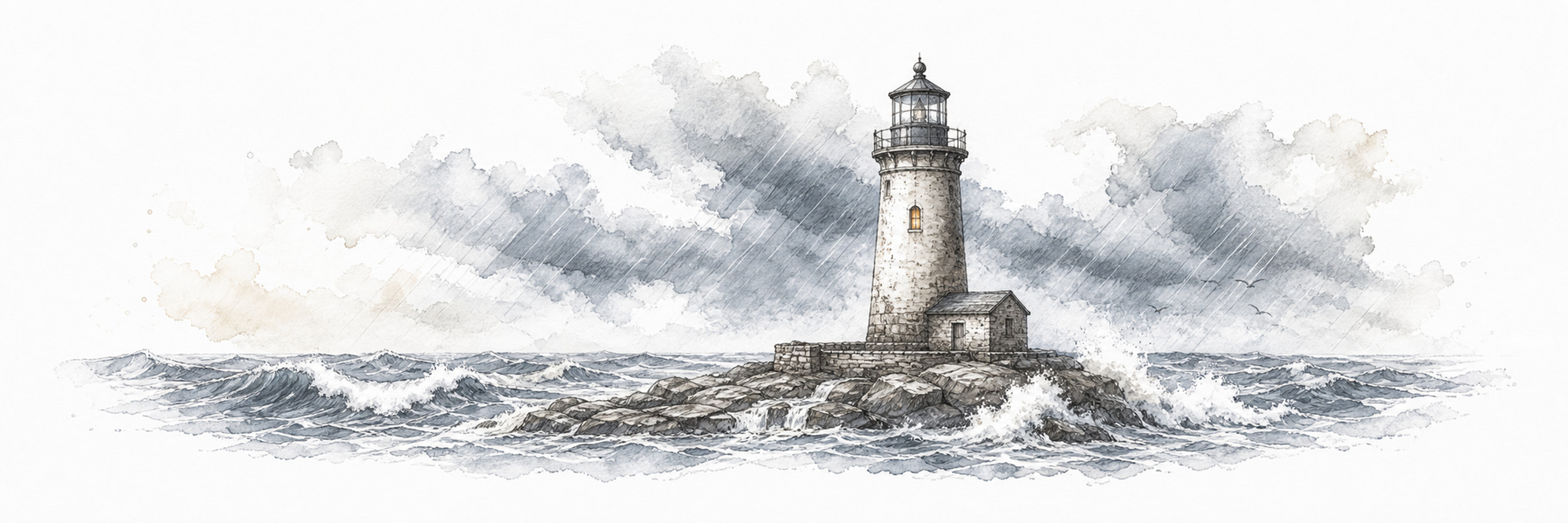
Anti-apartheid leader and South Africa’s first Black president Nelson Mandela knew that strength is not measured only by victory. It is also measured by what a person does after being knocked down. Adversity comes to every life. Some hardship arrives in a single blow. Some wears us down slowly. Some belongs to us personally, and some sweeps through families, communities, or whole nations [27]. Resilience is what helps us face those seasons without pretending they do not hurt.
Understanding Adversity
Southwick and colleagues describe resilience as the process of adapting well in the face of adversity, trauma, tragedy, threat, or significant stress [27]. That definition matters because it corrects a common misunderstanding. Resilience is not emotional numbness. It is not denial. It is not pretending you are fine when you are not. Resilience is the honest strength to keep responding to life, even while pain is still present.
What Resilience Really Looks Like
Resilience has several parts, and each one can be strengthened. Emotional intelligence helps because people who can identify and regulate their feelings tend to handle stress better [28]. Helping others can also become part of resilience. Brown and colleagues found that helping behavior may buffer some of the emotional toll of spousal loss [29]. Service does not erase grief, but it can give grief somewhere honest to go.
Optimism matters too. Carver, Scheier, and Segerstrom found that optimism is linked to better coping and adjustment under stress [30]. Optimism is not blind positivity. It is the belief that some good response is still possible. That kind of outlook supports problem solving, which D’Zurilla, Nezu, and Maydeu-Olivares describe as an important skill for handling life’s challenges [31].
Mindfulness adds another layer. Davis and Hayes point to its value in strengthening awareness and improving therapy-related outcomes [32]. Mindfulness helps us stay present long enough to respond instead of react.
Adaptability matters because life does not stay still. Orr and Davenport emphasize the importance of openness to change [33]. Yehuda and Flory also remind us that resilience has biological dimensions, including how the body and brain respond to stress [34]. In other words, resilience is not one trait. It is a pattern of inner and outer strengths working together.
The Science behind Resilience
Resilience is a lot like a tree. Roots matter. Trunk matters. Branches matter. If one part is weak, the whole tree feels it.
The roots are the deeper factors that steady us. Some of that is biological [34]. Some of it is emotional capacity, including the ability to recognize and work with our feelings [28].
The trunk is support. Cohen and Wills showed how social support can buffer stress [35]. People are more likely to endure hardship well when they are not carrying it entirely alone.
The rings in the trunk are lived experience. Pain leaves a mark, but so does recovery. Frankl’s work on meaning reminds us that people can survive astonishing hardship when they are anchored to a reason to keep going [13]. Orr and Davenport’s work on change fits here too [33]. A resilient life is not a life without disruption. It is a life that learns how to adapt.
The branches and leaves are learned practices. Problem-solving skill can be strengthened [31,37]. Optimism can be trained [30]. Mindfulness can be practiced [32]. Exercise and physical care matter because stress affects the body as well as the mind [36]. Resilience grows when we keep tending all of those parts instead of hoping for one single fix.
Cultivating Resilience
Resilience can be cultivated. Some practices help almost everyone.
- Embracing Change: By accepting the universal truth of change, we can better adapt to adversities [33].
- Practicing Mindfulness: Mindfulness allows us to confront adversity with clarity and calmness [32].
- Building Optimism: A positive outlook gives adversity less room to take over [30].
- Nurturing Relationships: A strong social support network can be our safety net in times of adversity [35].
- Sharpening Problem-Solving Skills: Strong problem-solving skills turn overwhelming situations into workable ones [37].
- Taking Care of Physical Health: Regular exercise, a balanced diet, and adequate rest can enhance our capacity to cope with stress and adversity [36].
- Cultivating Emotional Intelligence: By understanding our emotional responses to adversity, we can better manage them, reducing their negative impact and enhancing our capacity to cope [28].
- Finding Purpose and Meaning: This can help us remain resilient in the face of adversity [13].
Resilience does not turn pain into something small. It helps us carry pain without letting it decide the whole shape of our lives. We do not build it all at once. We build it the way people build trust, slowly, honestly, and through repeated practice.