Chapter Two: Understanding Narcissism, Insights into Human Behavior and Motivations

“We are all narcissists to some extent, but the question of when it becomes a problem is when it starts impairing the way a person functions. That’s the best criterion we have.”
Brian Boutwell
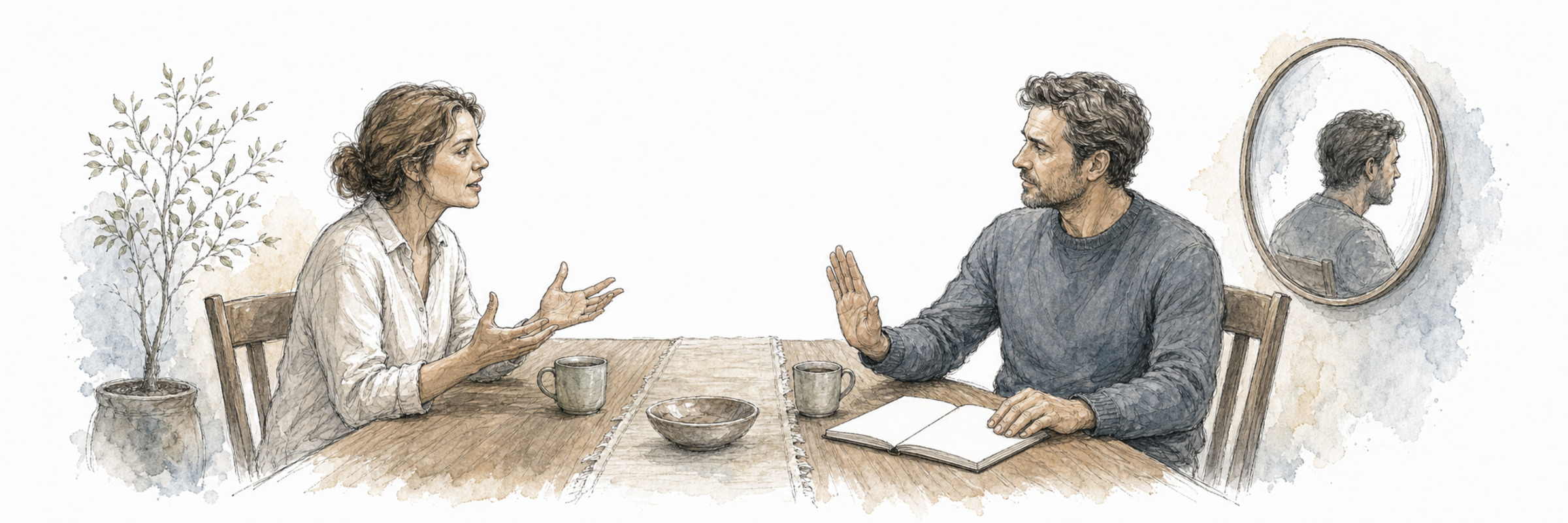
Researcher Brian Boutwell’s line is useful because it keeps the focus on functioning rather than theatrics. Narcissism is one of those words people use all the time, often too loosely. Sometimes they mean selfishness. Sometimes they mean vanity. Sometimes they mean manipulation or abuse. This chapter tries to slow that down. The goal is to understand what narcissism is, what Narcissistic Personality Disorder actually means, how narcissistic abuse can affect people, and how recovery can happen without turning into the thing that hurt you.
What Narcissistic Personality Disorder Is
The DSM-5 describes Narcissistic Personality Disorder as a pattern involving grandiosity, a strong need for admiration, troubled relationships, and a lack of empathy [56]. The Mayo Clinic also notes that people with NPD often have fragile self-esteem beneath the inflated exterior and can react badly to criticism or perceived disrespect [57].
That definition does not mean every selfish or arrogant person has NPD. A lot of people show narcissistic traits at times. The disorder comes into focus when those traits become persistent, impair functioning, and consistently damage relationships or daily life [56,57].
NPD is also difficult to treat. Like many personality disorders, it appears to involve a mix of temperament, environment, and long-standing behavioral patterns [57]. Change is possible, but it usually requires more self-reflection than many highly narcissistic people are willing to tolerate.
Writing to or Speaking with a Narcissist
People often wonder whether writing a long message to a narcissistic partner, parent, or ex will finally make them understand the harm they caused. Sometimes the message is still worth writing, but often not for the reason people hope.
Ramani Durvasula has written extensively about narcissism, entitlement, and manipulation [58]. George Simon has also written about manipulative personalities and how easily they distort conversations to protect themselves [59]. Taken together, their work points to a hard truth: a narcissistic person may not read your message with humility. They may reread it to find weakness, ammunition, or proof that they still have emotional control over you [58,59].
So if you write, write for clarity, documentation, or your own peace. Do not assume the letter will produce accountability.
Communication Guidelines
When communication is necessary, a few principles help:
- Use “I” statements: This keeps you anchored in what you observed and how it affected you, rather than drifting into a fight over labels [58].
- Stay calm: Emotional steadiness protects you from being pulled into chaos for someone else’s advantage [58].
- Use concrete examples: Specific behavior is harder to dismiss than vague accusations [58,59].
- Set clear boundaries: Boundaries matter because narcissistic behavior often expands into any space that is left undefended [62].
- Avoid power struggles: If the whole conversation becomes about who is dominant, the original issue disappears [58].
- Seek outside support: Therapy, trusted friends, or support groups can help you reality-check what is happening [67,78].
None of these steps guarantees success. Sometimes the healthiest conversation with a narcissist is the shortest one possible.
The Lack of Closure
One of the hardest parts of leaving a narcissistic relationship is that closure often does not come from the person who hurt you. People may wait for an apology, an admission, or one final honest conversation that never comes.
That reality is why closure often has to be built from the inside. It grows when you accept what happened, stop bargaining with a fantasy version of the other person, and begin believing your own experience again [59,78].
Psychological Effects of Narcissistic Abuse
Narcissistic abuse can leave real psychological damage. Writers and clinicians describing the aftermath often point to anxiety, depression, self-doubt, trauma symptoms, and a distorted sense of self [60]. Judith Herman’s work on complex trauma helps explain why prolonged exposure to controlling, degrading, or destabilizing relationships can produce deeper patterns of fear, shame, and emotional dysregulation [61].
A person’s self-esteem can also erode badly in these relationships. That damage is often slow. One criticism, one manipulation, one dismissed feeling at a time, a person can start doubting their own perception and worth.
Healing and Rebuilding
Healing usually starts with naming the abuse honestly. From there, recovery tends to depend on a few steady practices:
- Boundaries: Boundaries protect emotional and psychological space that was repeatedly crossed [62].
- Self-compassion: Kristin Neff’s work is useful here because survivors often blame themselves long after the abuse ends [63].
- Mindfulness: Mindfulness can help people reconnect to the present instead of living in permanent reactivity [68].
- Movement and physical care: Exercise and body care can improve mood and reduce symptoms of depression and anxiety [66].
- Support: Support groups and informed communities can reduce isolation and restore perspective [67].
- Therapy: Recovery often goes better with skilled help, especially when trauma symptoms are strong [78,80].
Healing is rarely quick. It is usually uneven. Still, uneven healing is still healing.
Education and Awareness
Understanding narcissism matters because prevention is easier than recovery. The better people understand red flags, the less likely they are to rationalize obvious patterns of manipulation [69].
Education should include:
- how coercive control works [72]
- how empathy and emotional intelligence support healthier relationships [70]
- how narcissistic behavior can be rewarded or normalized in culture [73]
- how social media can amplify narcissistic tendencies and image management [71]
Awareness matters on a broader level too. Mental health stigma still keeps many people from getting help [76]. Workplaces can also reward bullying, vanity, or exploitative behavior when performance is valued more than character [77].
Recovery Without Becoming What Hurt You
Some survivors come out of narcissistic abuse feeling harder, colder, or more controlling than they used to be. That reaction is understandable. People adapt to what they live around.
But adaptation does not have to become identity. A person can become more boundaried without becoming cruel. They can become more cautious without becoming manipulative. They can become stronger without losing empathy.
That balance is where vulnerability and self-respect need to stay together. Brené Brown’s work speaks well to this balance [82]. Healing does not ask you to become defenseless. It asks you to become honest, grounded, and hard to manipulate.
Clarity Without Obsession
Understanding narcissism is not about becoming obsessed with diagnosing everyone. It is about learning to recognize damaging patterns, protect your own mind, and stop mistaking chaos for love.
Narcissistic abuse can leave deep marks. It can distort self-worth, confuse judgment, and make recovery feel painfully slow. Even so, recovery is possible. People can rebuild self-respect, learn new boundaries, trust themselves again, and create healthier relationships than the ones that broke them.
You do not have to become a narcissist to survive one. You can come through with more clarity, stronger boundaries, deeper compassion, and a truer sense of self than you had before.