Chapter Seven: Understanding the Relationship between Narcissism and Empathy, Strategies for Developing Empathy and Coping Mechanisms

“When an inner situation is not made conscious, it happens outside, as fate.”
Carl Jung
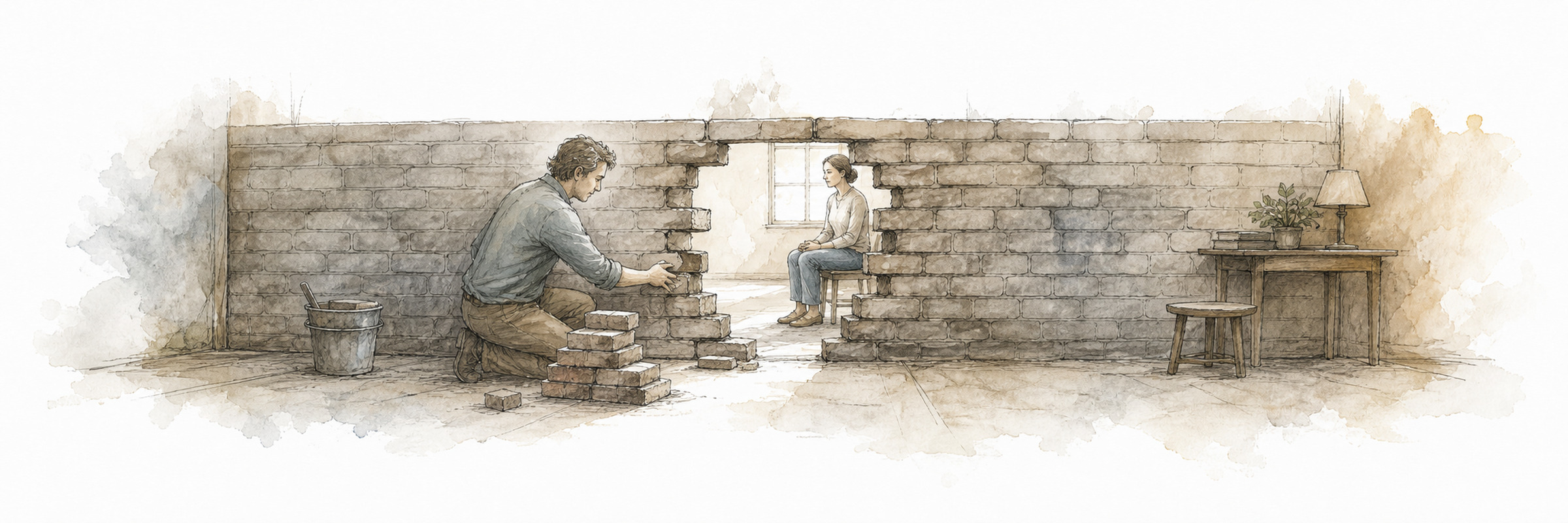
The relationship between narcissism and empathy is more complicated than a choice between caring and not caring. Understanding another person’s feelings and responding to those feelings with concern are related abilities, but they are not identical [663]. Research on Narcissistic Personality Disorder describes variation in empathy across people and situations, rather than a complete absence of it in everyone with the diagnosis [663]. That line from psychiatrist Carl Jung frames the question underneath this chapter: how much of the pattern is unexamined pain running on autopilot? This chapter explores what drives people toward narcissistic coping, how narcissistic traits differ from a full diagnosis of Narcissistic Personality Disorder, and what the research says about the possibility of genuine change.
Factors Influencing the Choice of Coping Mechanisms
The coping strategies people develop are shaped by many factors, including personality, childhood experience, and environment. Attachment theory suggests that people who had secure early relationships are more likely to develop healthier coping skills and stronger emotional regulation. Those who grew up with insecure attachment may be more vulnerable to maladaptive coping patterns, including narcissistic traits [103].
Resilience, the ability to adapt and recover after adversity, also matters. People with stronger resilience may be more likely to develop healthier ways of coping [461].
Even so, no single explanation tells the whole story. Individual differences and life experience matter, and more research is still needed to understand why some people develop maladaptive coping patterns while others do not.
Narcissism Misdiagnosed as ADHD
Getting the diagnosis right matters because treatment follows the diagnosis, and in mental health a misdiagnosis can send a person down the wrong path for years. One area that can become confused is the difference between Narcissistic Personality Disorder (NPD) and Attention-Deficit/Hyperactivity Disorder (ADHD). When those conditions are mixed up, treatment may miss the real problem and sometimes make things worse. It is a bit like trying to open a locked door with the wrong key. The key may look close enough at first, but it will not open what actually needs attention.
The Overlapping Terrain
ADHD and narcissistic traits can share some surface-level similarities, such as impulsivity or difficulty sustaining attention in some situations [441,462]. Emotional reactivity can blur the picture even more. People with narcissistic tendencies may show irritability or inflated self-importance that can be misread if a clinician looks only at the surface [113]. Even so, these are different conditions with different underlying dynamics, so a one-size-fits-all approach can be harmful.
The Diagnostic Divergence
The Diagnostic and Statistical Manual of Mental Disorders (DSM-5) gives clinicians specific criteria for both conditions [56]. ADHD is generally defined by a persistent pattern of inattention and/or hyperactivity-impulsivity that interferes with functioning or development. Narcissistic Personality Disorder involves a long-running pattern of exaggerated self-importance, a strong need for admiration, and impaired empathy toward others. The symptoms may overlap in limited ways, but the core problem is different in each case [103].
The Treatment Chasm
Treatment only works well when it matches the real condition. Treatment is a little like repair work. If you fix the wrong part, the real problem stays in place. ADHD is often treated with stimulant medication and behavioral strategies that support attention and reduce impulsivity [463]. NPD is typically approached through longer-term psychotherapy aimed at increasing insight, responsibility, and empathy [56,103]. If the diagnosis is wrong, treatment can miss the root issue and sometimes intensify harmful patterns [466].
Why Does It Matter?
The risks of misdiagnosis reach far beyond the individual symptoms [467]. A wrong label can disrupt treatment, strain relationships, and slow emotional growth. Research also shows that ADHD in childhood can exist alongside later personality difficulties, which makes careful evaluation even more important [468]. When narcissistic patterns are overlooked, a person may miss the kind of deeper work needed to grow in empathy and emotional responsibility [12,469].
If you or someone you love seems caught between ADHD-like symptoms and narcissistic patterns, seek a careful evaluation from a qualified mental health professional. An accurate diagnosis does not solve everything, but it gives people a much better place to begin.
The Odds of Changing Narcissistic Traits
Whether a person with narcissistic traits can genuinely change is a complicated question. The honest answer is that change is possible, but it is rarely quick and never effortless. Much depends on the severity of the traits, the person’s willingness to face themselves honestly, and the support available to them [103].
Severity Matters
First, narcissism exists on a spectrum [56]. The form it takes, including grandiose or vulnerable patterns, can shape how a person reacts to rejection, failure, and emotional stress [113]. Severity matters because deeper and more rigid patterns are usually harder to change.
Commitment to Change
Commitment matters too. Change in deeply rooted personality patterns usually takes sustained effort, honest self-examination, and a real willingness to be corrected [466].
Resources and Support
Support and resources also matter. Therapy can help a person understand their patterns and learn healthier ways of coping. Trusted friends or family may also support growth, especially when they tell the truth without feeding the old defenses [464].
Clinical Perspectives on Treatment
From a clinical standpoint, change is possible. With the right therapeutic approach and real dedication, some people can soften narcissistic patterns and develop healthier ways of coping [103]. Treatment for Narcissistic Personality Disorder often includes psychotherapy and sometimes medication for related conditions such as depression or anxiety [56].
Change is not guaranteed, but it is not impossible either. For people who are willing to do the work, growth can happen. It usually comes slowly, through humility, honesty, and repeated choices to live differently.
Disclosing Narcissistic Traits to Friends
Deciding whether to tell friends about narcissistic traits can feel risky. That kind of honesty takes courage, and it should be done wisely. It can feel a little like handing someone a key to a room you usually keep locked. Some people fear rejection. Others fear being misunderstood, judged, or exposed before they are ready.
To Tell or Not to Tell
The decision depends on many factors, including trust, emotional readiness, and the likely response from the other person. The American Psychiatric Association’s DSM-5 provides the broader diagnostic framework [56], but the personal question of disclosure still comes down to safety, timing, and trust.
Emotional Reciprocity & The Role of Empathy
Supportive and nonjudgmental friends can be a real help. Ashley Abramson’s APA article “Cultivating Empathy” makes the useful point that empathy is a skill that can be strengthened, not a trait people either fully have or do not [464]. Helen Riess makes a similar case in The Empathy Effect, describing practical, neuroscience-informed habits that help people understand one another more accurately and respond with more care [465]. For disclosure to help rather than harm, both people need honesty, boundaries, and a willingness to handle the conversation with care.
Treading the Line: Grandiose vs. Vulnerable Narcissism
The form narcissism takes can also affect disclosure. As Besser and Priel note, grandiose and vulnerable narcissism do not react in the same way to relationships, rejection, or failure [113]. One person may turn disclosure into a performance. Another may fear it so deeply that they avoid honesty altogether.
Coping Mechanisms & The Long Road Ahead
Changing narcissistic tendencies usually requires introspection, patience, and often professional help. Daniel Goleman argues in Emotional Intelligence that understanding your own emotions can open the door to healthier coping patterns [12]. Trusted friends may offer support and honest reflection, but telling them should remain a thoughtful personal choice, not a dramatic impulse.
The Outlook for Unchanging Narcissistic Traits
When a person refuses to change, the damage rarely stays contained to them.
The Stumbling Blocks of Intimacy and Empathy
For people with narcissistic traits who do not want to examine themselves or change, relationships often suffer badly. Research shows that narcissism can create serious barriers to intimacy, stability, and mutual care [466,467]. Healthy closeness requires vulnerability and openness, both of which are often resisted in narcissistic patterns [56].
Lack of empathy is especially damaging. Empathy is not only about sharing emotion. It is also about recognizing another person’s reality, even when it is inconvenient or uncomfortable [464]. Without that capacity, deep and stable relationships become much harder to build [465,469].
Relationships
Studies link narcissistic traits with lower relationship satisfaction and greater conflict [466,467]. Partners often end up feeling unseen, blamed, or emotionally worn down.
Mental and Physical Health: Ignored Red Flags
No one can predict a person’s entire future from a single pattern. Still, research suggests narcissistic traits can be associated with problems such as depression and anxiety [113]. Responses to failure and rejection may swing between grandiosity and vulnerability, which can create ongoing instability [113].
There may also be physical costs over time. Smith and MacKenzie [470] note that personality traits, including narcissism, can be linked to physical illness risk, including cardiovascular disease. Chronic stress, poor emotional regulation, and unstable relationships can wear a person down.
The Complexity of Coexisting Conditions
Narcissism also does not exist in isolation. Coexisting conditions such as ADHD can complicate the clinical picture [441,462,463]. That complexity is another reason thoughtful diagnosis and treatment matter [468].
Toward an Uncertain Horizon
The future for someone who refuses to change remains uncertain. What research does suggest is that ongoing narcissistic patterns can lead to repeated relational damage, emotional difficulty, and possibly physical strain over time. Facing that hard truth honestly is still better than pretending the pattern is harmless.
Narcissistic Traits vs. Narcissistic Personality Disorder
It is important to distinguish between narcissistic traits and Narcissistic Personality Disorder. Confusing the two can lead to bad assumptions, weak boundaries, and poor treatment choices.
The Self-Centric Spectrum
Everyone has some degree of self-interest and self-regard. Some degree of self-regard is part of ordinary human functioning and not, by itself, a disorder [466]. NPD, by contrast, is a severe and inflexible pattern that causes significant distress or impairment in relationships, work, and other parts of life [56].
More Than Meets the Ego
NPD is more serious than everyday vanity. It is a specific mental health diagnosis that only qualified professionals should make. According to the DSM-5, it involves a pervasive pattern of grandiosity, a strong need for admiration, and serious impairment in empathy [56].
A Closer Look: Subtypes and Emotional Reactions
There is also variation within narcissism itself. Besser and Priel [113] describe grandiose and vulnerable forms, each with different emotional reactions to failure and rejection. That variation helps explain why narcissistic patterns do not always look the same on the surface.
The Empathy Chasm
A notable difference between narcissistic traits and NPD involves empathy. Research on empathy shows it is a real psychological and neurobiological capacity, not a simple moral ideal [464,465,469]. People with narcissistic traits may still be able to strengthen empathy. In NPD, empathy problems are often deeper and more disruptive [103].
The Ramifications: Why It Matters
Understanding this difference matters in both therapy and relationships. Emotional intelligence, including self-awareness and empathy, can sometimes be developed [12]. But NPD usually requires more intensive and specialized intervention than ordinary narcissistic traits.
The issue is not healthy self-respect. The issue is when self-protection hardens into a pattern that blocks truth, empathy, and closeness.
Developing Empathy and Healthier Coping Mechanisms: Breaking the Chains of the Narcissistic Mind
Narcissism and empathy often seem far apart, but they are not always beyond repair [103]. Empathy can grow, but only when a person is willing to face what is broken. Under the right conditions, some people with narcissistic tendencies can grow in empathy and develop healthier emotional habits.
The Roots of Narcissism: More Than Just a Love for One’s Reflection
Understanding narcissism requires looking beneath the bravado. In many cases, narcissistic patterns function as maladaptive defenses rooted in early emotional pain, insecure attachment, or shame [56].
Breaking Down the Walls
Therapy is often one of the best places to begin. There, people can name painful emotions, recognize destructive patterns, and begin building healthier ways of coping. That kind of work may be especially helpful for people who developed narcissistic traits as protection against earlier emotional harm [113].
Mindfulness: Your Emotional GPS
However, the therapist’s chair isn’t the only venue for emotional growth. Mindfulness can also help. Practices that teach people to notice thoughts and emotions without immediately reacting to them can strengthen emotional awareness [464]. In simple terms, mindfulness can teach a person to sit in the back row of their own mind and watch thoughts cross the stage before acting on them. That greater awareness can create more room for empathy, accountability, and better choices [464].
The Good Read: Knowledge as the Stepping Stone
Reading can help too, especially books grounded in solid research on empathy and emotional intelligence. Daniel Goleman’s Emotional Intelligence, Helen Riess’s The Empathy Effect, and Karla McLaren’s The Art of Empathy are useful places to start [12,465,469]. Good books do not do the work for you, but they can give language, insight, and direction.
Wrapping It Up
So does this mean narcissistic behavior is just misunderstood? Not quite. Understanding where a pattern comes from is not the same as excusing it. Narcissistic patterns can cause real harm in close relationships [467]. Still, when a person is honest, accountable, and willing to stay in the work, change can happen.
Naming the Harm and the Hope
Understanding the relationship between narcissism and empathy matters because it helps people name both the harm and the hope clearly. People who recognize narcissistic tendencies in themselves can work toward healthier coping, greater empathy, and more honest relationships through therapy, mindfulness, and serious self-examination. Supportive professionals and trustworthy people can help, but the person still has to choose the work for themselves.
Change is possible, but it is not cheap. It usually asks for humility, patience, and a willingness to stop protecting the false self at all costs. For those who do that work, more grounded relationships and a fuller emotional life can become possible.