Chapter Three: The Power of Remembering Those Who Abandoned Us
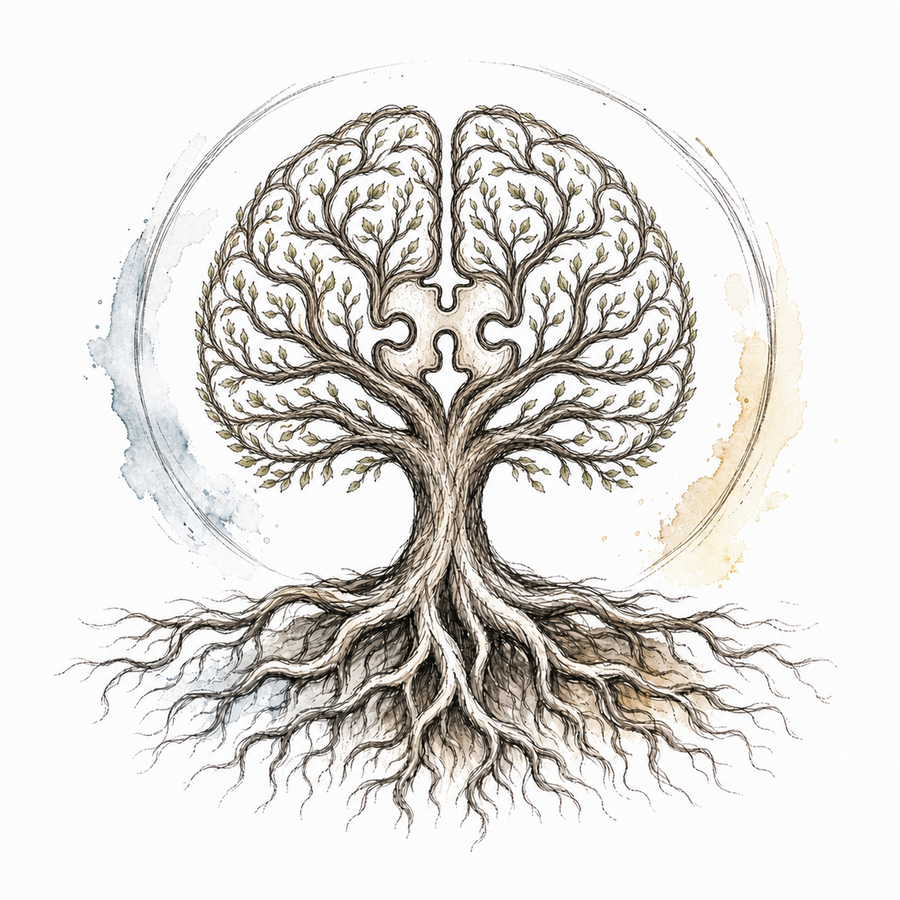
“Pain makes people think. Thinking makes people wise. Wisdom makes life endurable.”
Patrick Rothfuss
Novelist Patrick Rothfuss puts the sequence plainly. Pain can force reflection. Reflection can produce wisdom. And wisdom can make life more bearable.
That sequence is part of what this chapter is about. When people disappear during the moments we need them most, the loss is not only practical. It changes the way we see loyalty, memory, and self-protection.
Why Abandonment Cuts So Deeply
Being let down by a stranger hurts. Being let down by someone who claimed to love you hurts differently.
Part of the pain comes from expectation. We expect the people closest to us to matter most when life gets hardest. So when they vanish during grief, illness, financial collapse, crisis, or heartbreak, the nervous system often reads it as more than disappointment. It reads it as proof that safety was not where we thought it was.
The collapse of that expectation is why abandonment can leave such a deep mark. It is not only the absence of help. It is the collapse of a belief.
Remembering Is Not the Same as Living in Bitterness
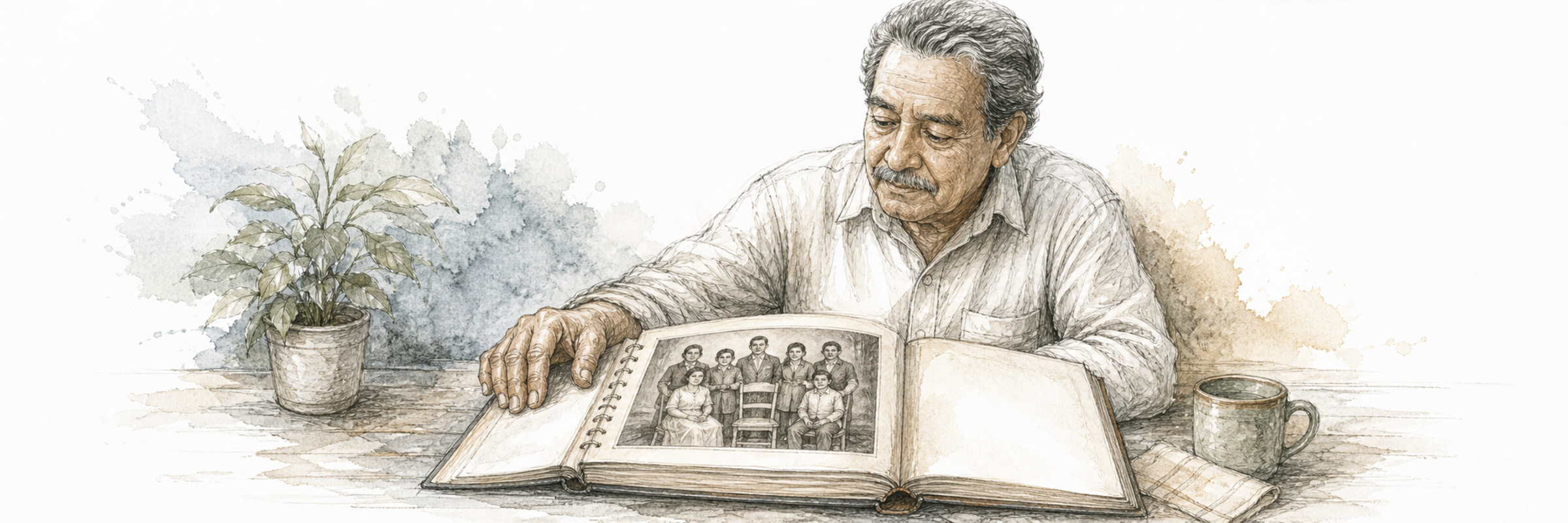
Remembering who stood by you and who disappeared can be healthy. Memory can serve as data. It can keep you from rewriting the story in a softer way just because time passed or because the other person came back smiling.
One simple analogy may help. A scar is not the wound itself, but it does tell the truth that the wound happened. Healthy memory works like that. It does not need to stay inflamed forever, but it should not pretend nothing happened either.
Remembering can protect dignity. It can remind you of how much you carried alone. It can also keep you from handing deep trust back to someone who already showed you what they do under pressure.
Memory Can Become Strength
There is a kind of strength that grows when people realize, “I survived without the support I thought I could not live without.” That kind of realization is painful, but it can also be clarifying.
It may teach you:
- who really shows up
- how much resilience you actually have
- where your boundaries need to be stronger
- which relationships were built more on illusion than character
None of that means you become hard in a dead way. It means you become harder to fool.
Do Not Feed the Hurt Forever
Memory is helpful. Bitterness is expensive.
If a person keeps replaying abandonment only to relive the injury, the memory stops serving wisdom and starts feeding poison. That repeated reliving is why grief work matters. Talking to a therapist, writing honestly, praying, reflecting, or processing with trustworthy people can help move pain out of raw reaction and into understanding.
The goal is not to erase what happened. The goal is to keep what happened from owning you.
Forgiveness Does Not Mean Naivete
Forgiveness is often misunderstood. Forgiveness does not mean pretending the abandonment was fine. It does not mean inviting the same person back into the same level of trust. And it does not mean dropping all discernment in the name of being “good.”
Forgiveness is closer to releasing your grip on the poison than erasing the record. It is a decision to stop building your life around the injury.
Sometimes forgiveness and reconciliation happen together. Sometimes they do not. A person can forgive and still say, “You no longer get access to me in that way.”
Let Memory Teach, Not Rule
The healthiest use of painful memory is not revenge. It is discernment.
If someone abandoned you once in a serious season, that history belongs in your understanding of them. It should not automatically define them forever, but it should not be ignored either. People can change. But changed people usually show that change over time through action, humility, and consistency, not through convenient words.
The mature question is not, “How do I make myself forget?” The mature question is, “What did this teach me, and how do I carry that lesson without becoming consumed by it?”
Remember Clearly, Move Forward
Remembering those who abandoned you can hurt, but it can also steady you. It can keep you honest about who people were when life got real. It can show you your own resilience. And it can help you protect your future without lying about your past.
Forgiveness still matters. But forgiveness is strongest when it grows alongside truth, not instead of it.
You do not honor yourself by pretending abandonment was love. You honor yourself by remembering clearly, healing honestly, and moving forward without surrendering your peace.