Chapter One: Making Time Count, A Saner Approach to Productivity
“Time is what we want most, but what we use worst.”
William Penn
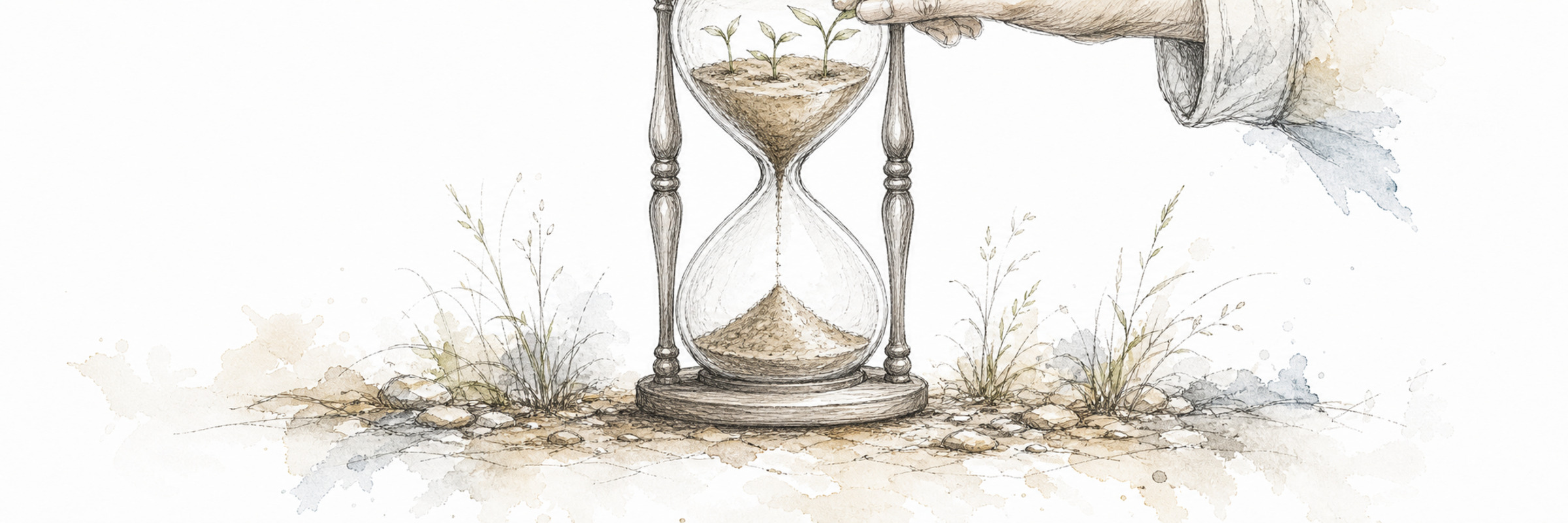
Quaker writer and statesman William Penn put his finger on a problem most of us know well. We want more time, yet we often spend it poorly. Productivity is not magic, and it is not about turning yourself into a machine. It is about learning how to direct your time, attention, and energy toward what matters most.
The Nature of Productivity
At its simplest, productivity is getting meaningful work done. Chris Bailey’s work is helpful here because he frames productivity as the management of time, attention, and energy rather than the piling up of completed tasks [518]. Busy is not always productive. Some people move all day and still do not advance what matters. Real productivity asks better questions: What deserves my focus? What can wait? What should I stop doing altogether?
Goal Setting and Time Management
Clear goals make time easier to manage. The SMART framework gives people a way to make goals specific, measurable, achievable, relevant, and time-bound [519]. That kind of clarity reduces drift. It is much easier to protect time for a goal when the goal itself is concrete.
Time blocking helps too. When you decide ahead of time what a block of hours is for, you are less likely to spend those hours reacting to whatever shouts the loudest. Cal Newport’s work on focused, distraction-free effort supports that kind of intentional structure [520].
Technological Tools for Productivity
Technology can help, but it is not the same thing as discipline. Project tools like Asana and Trello can help people organize work, track tasks, and reduce mental clutter [523,524]. Focus tools like Forest can help interrupt the habit of checking and drifting [521]. The value of any tool is simple: does it help you return to the work that matters, or does it just give you another system to manage?
The Shadow Side of Productivity
Productivity has a shadow side when it turns into constant pressure. We are not meant to work without pause. Breaks, rest, and recovery help people think better, regulate stress, and return with more energy [522]. Pushing without stopping can feel productive for a while, but it usually degrades the quality of both the work and the person doing it.
A Closer Look at Productivity Tools
Good tools do three things well. They help you see the work, break the work into parts, and return to the work when your attention slips. Asana is useful for structured projects with multiple tasks and deadlines [523]. Trello works well for people who think visually and want to move work across clear stages [524]. Forest helps by making distraction more visible and focus more deliberate [521]. None of these tools replace judgment. They just make good judgment easier to practice.
Mindset and Physical Health
Mindset matters because the way you interpret difficulty shapes how you respond to it. Carol Dweck’s work on growth mindset reminds us that challenge can be approached as a chance to learn rather than as proof that we are failing [525]. That shift does not remove difficulty, but it keeps difficulty from ending the effort too soon.
Physical health matters too. Sleep, exercise, and basic care of the body support attention, mood, and resilience. Exercise in particular has strong mental-health benefits that affect how well we can keep showing up [526]. Productivity turns out to be a whole-person problem before it is a calendar problem.
Your Best Hours
The point was never to wring every drop out of the day. It is to give your best hours to the things that deserve them. Clear goals, thoughtful structure, useful tools, real rest, and a healthier mindset all help.
Some days will go well and some will get away from you. Messy days are normal. The work is to keep learning how you function, what distracts you, what restores you, and what kind of structure helps you follow through. Little by little, that kind of attention can change both your work and your life.