Chapter Seven: Fighting for Ourselves, Where Self-Worth Begins

“To love oneself is the beginning of a lifelong romance.”
Oscar Wilde
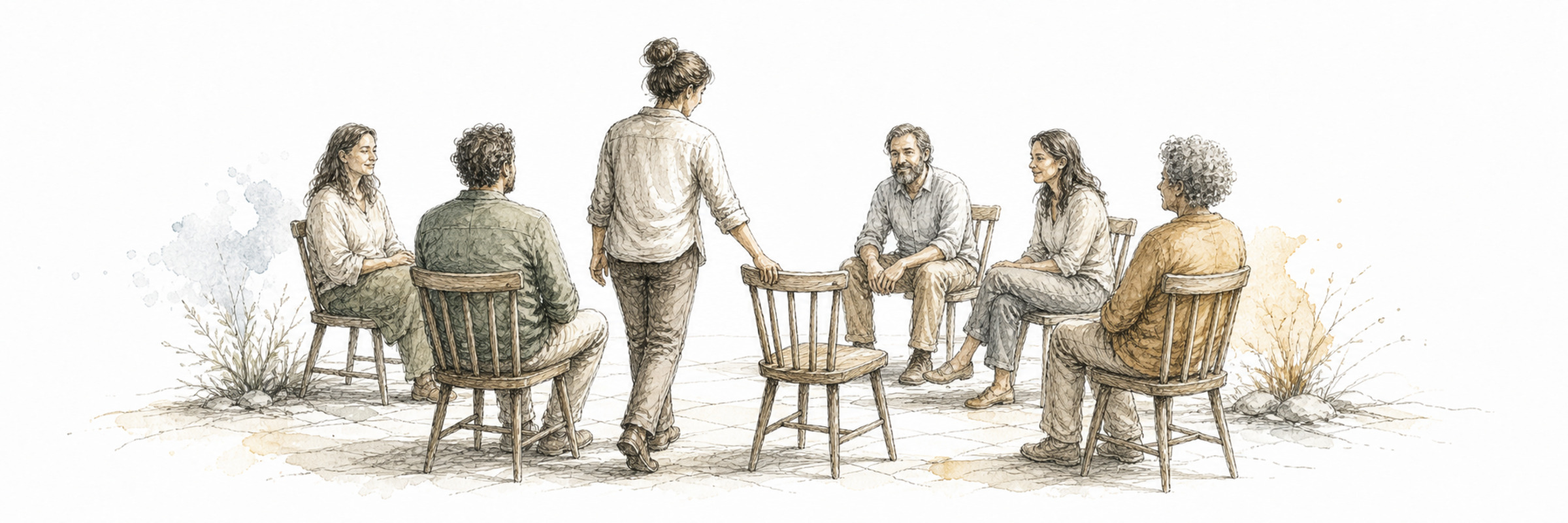
Playwright and novelist Oscar Wilde wrote that loving oneself is the beginning of a lifelong romance. That line works here because self-worth is not vanity. It is the steady belief that your life, your needs, and your dignity matter. This chapter is about what happens when a person finally stops begging to be treated like they matter and starts living as if they already do.
Contemplation and Voice
Many people feel their worth long before they know how to speak for it. Then a breakup, betrayal, rejection, or season of neglect forces the issue. Something in them finally says, “Enough. I cannot keep handing my value to other people and hoping they return it intact.”
Sentiment of Self-Worth
Consider this sentiment often found echoed online:
It’s ok. No, it really is. Because this time I will fight for me. I will fight for what was worth it all along. I don’t need you to realize that me, myself, and I, are worth the world. You were just not the right person to love me the way I deserved. So, it’s ok. You can go
Those lines capture a turning point. A person who once waited for someone else to see their value begins to see it for themselves. That shift can feel small from the outside. Inside, it can change everything.
Reflections and Insecurities
Much of this fight is internal before it is external. It is the fight against the voice that says you are too much, not enough, too broken, too needy, too late, or too hard to love. To fight for yourself in that setting means refusing to let self-contempt tell the whole story. It means answering doubt with truth, not with flattery, but with something steadier: I still matter. I still deserve honesty, care, and respect.
Self-Worth and Resilience
Real self-worth does not depend on applause. It does not rise and fall with someone else’s attention, desire, approval, or rejection. A person with growing self-respect can finally say, “It’s okay. You can go.” That sentence is not surrender. It is clarity. It means, “I would have welcomed love, but I will not trade away myself to keep you.”
Self-Acceptance
Self-worth and self-esteem shape how we move through the world. When they are weak, we often chase reassurance and let other people define us. When they are stronger, we can make peace with our strengths and our flaws without collapsing into either pride or shame. Self-acceptance does not mean pretending we have nothing to work on. It means telling the truth about who we are without turning that truth into a weapon against ourselves.
The Dance of Connection and Self-Respect
Life asks us to balance two needs that can feel like they are in conflict. We need connection. We also need self-respect. Healthy relationships do not force us to choose one over the other. The right kind of love does not shrink your dignity. It reinforces it.
No Longer Waiting for Permission
Self-worth changes the way a person stands. It changes what they tolerate, what they ask for, and what they are finally willing to walk away from. It gives them the courage to say, “It’s okay. I will fight for me. You can go.”
The choice is not bitterness. It is self-respect. It is the quiet strength of someone who has stopped waiting for permission to matter.