PART VII: Specific Support and Advice
The first six parts of this book deal mostly with patterns. They look at the recurring dynamics of emotion, relationships, society, and behavior that show up across many lives. Part VII narrows the focus.
These chapters speak more directly to situations that often require special care: helping a partner through combat-related PTSD, navigating grief and loss, surviving narcissistic abuse, understanding the overlap of addiction and trauma, and responding to severe mental health strain. These are not abstract thought exercises. They are meant for people who are in the middle of something hard, or who are trying to stand beside someone who is.
The guidance in this section draws from clinical psychology, trauma-informed care, rehabilitation counseling, and related fields. Where professional help is essential, the chapters say so plainly. Where peer support, self-education, or better communication can help, the chapters say that too. The point is to be honest about the kind of help each situation requires.
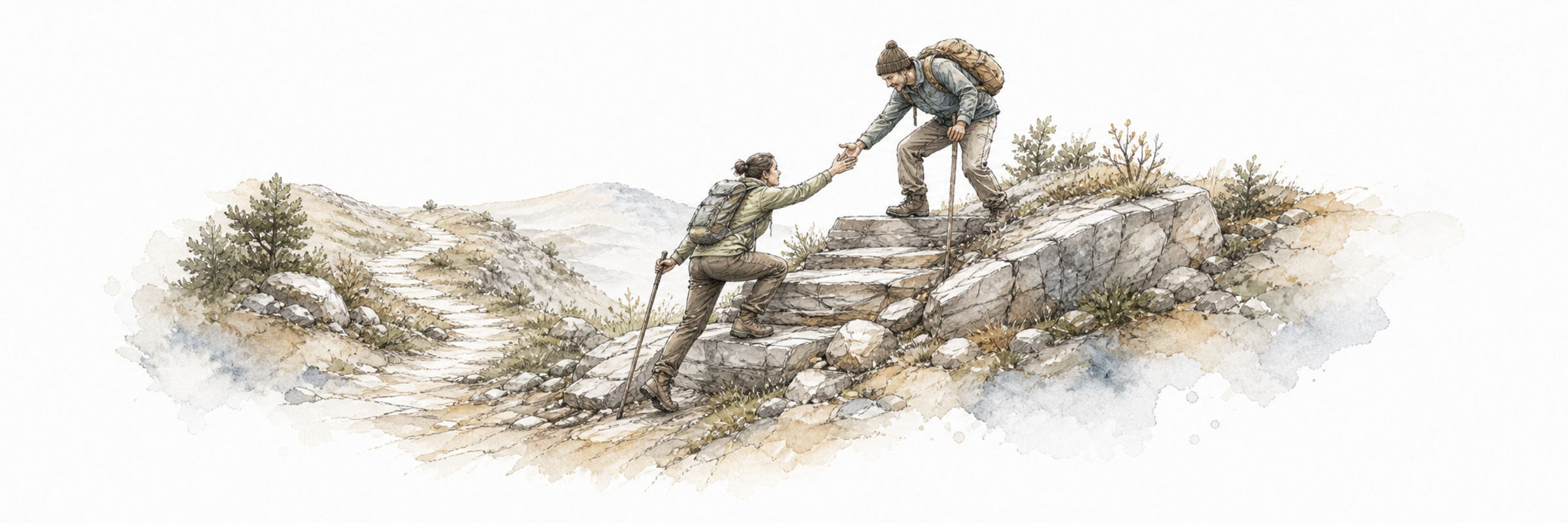
If you are reading this part because life feels heavy right now, let this section remind you of something simple. What you are facing is not beyond language. Other people have studied it, lived it, survived it, and found ways forward. Asking for help is not a failure of strength. It is one of the clearest expressions of it.
Part VII closes the book, but for some readers it may be where the most immediate work begins.