Chapter Twenty-eight: The Deceptive Currency of Love, Transactional Relationships Explored
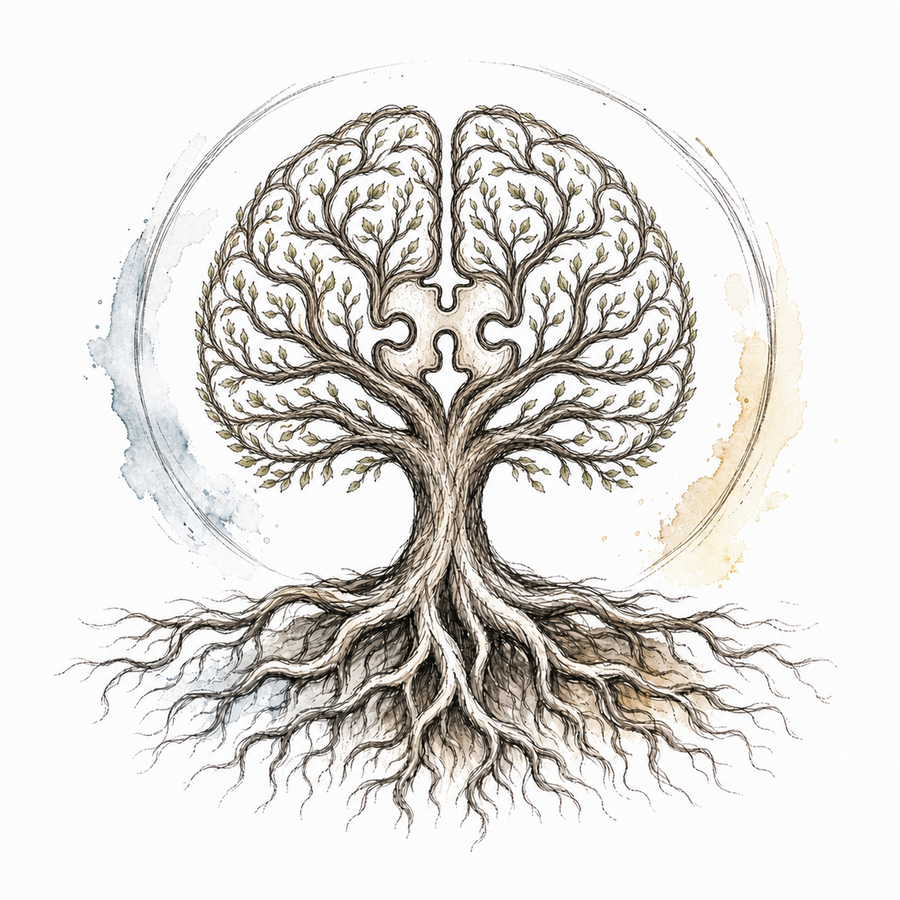
“Love is not just a passion spark between two people; there is infinite difference between falling in love and standing in love. Rather, love is a way of being, a ‘giving to,’ not a ‘falling for’; a mode of relating at large, not an act limited to a single person.”
Erich Fromm
Psychoanalyst and social philosopher Erich Fromm makes a useful distinction between falling in love and standing in love. Some relationships feel loving until one hard moment exposes how much of the bond depended on benefit, image, or emotional payoff. This chapter looks at the difference between loving a person and loving what that person provides. The frame here is heterosexual relationships because that is where this pattern is often discussed most directly, but the larger warning applies much more widely. Love becomes distorted when a person’s value gets reduced to usefulness.
Misogyny and Misinterpretation: A Critical Distinction
It is possible to talk honestly about unhealthy patterns in women without hating women. Psychologist Kristin Anderson’s work on misogyny helps define the line clearly: misogyny is contempt, prejudice, and hostility directed at women and girls [382]. This chapter is not trying to do that.
Constructive criticism is supposed to lead to clearer understanding and better choices. Abi-Esber and colleagues found that people often underestimate how much others may value direct constructive feedback [383]. Directness still does not excuse cruelty. It does mean silence is not the same thing as wisdom. If a pattern is real and harmful, speaking about it carefully is sometimes the kinder act.
The Personal Catalyst
Sometimes the truth about a relationship shows itself in one embarrassing moment. An ex-partner may be fine while everything reflects well on them, then turn sharply cold when their image takes a hit in front of friends. Experiences like that can force a painful question: was the bond built on care for the person, or on the emotional rewards and status the person provided [384,385]?
One incident does not explain an entire relationship. Still, it can reveal the hidden bargain underneath it. If affection depends heavily on admiration, convenience, or benefit, the relationship may have been more conditional than it first appeared.
The Transactional Nature of Love
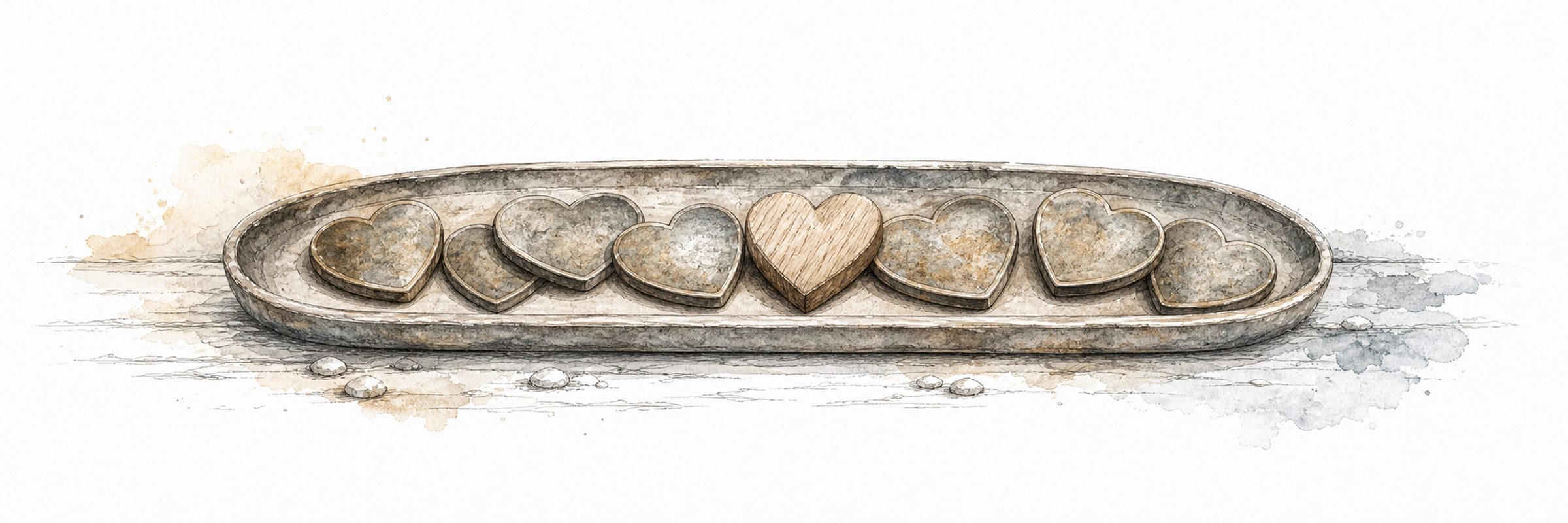
Clark and Mills distinguish communal relationships from exchange relationships [232]. That difference helps a lot here. In a communal bond, care is given because the other person matters. In an exchange bond, even if nobody says it aloud, a hidden ledger is running in the background.
That ledger may include money, status, emotional soothing, validation, security, or sexual access. When the balance sheet feels disappointing, warmth can cool fast. Research on relationship investment, stay-leave decisions, and dissolution shows that people do weigh cost, benefit, and alternatives, whether they speak about it openly or not [276,384,385].
A practical way to picture transactional love is to imagine a relationship as a store instead of a home. In a store, everything has a price. In a healthy home, people still give and receive, but the relationship is not held together by constant scorekeeping.
The Biological and Evolutionary Factors
Love and attraction do not happen in a vacuum. David Buss and C. Sue Carter both describe ways mate selection can be shaped by evolutionary pressures related to safety, reproduction, bonding, and survival [386,387]. Evolutionary influence does not mean love is fake or that women are inherently mercenary. It does mean people can be strongly drawn to qualities that signal stability, provision, competence, beauty, warmth, or protection.
In heterosexual dating, many men feel they are loved partly for what they can deliver. What they deliver may include emotional steadiness, income, practical help, physical protection, or social status. Those things do matter in real life. The trouble comes when they become the main reason love is extended.
The Influence of Age and Context
Context matters too. Young couples may say “I love you” before they understand what enduring love actually requires [388]. Proximity, loneliness, timing, chemistry, and shared circumstance can all make a bond feel deeper than it is. Grossmann and colleagues note that wise reasoning in everyday life often improves when people can step back and see a situation with more distance and perspective [389]. That kind of perspective is badly needed in romance.
People do not always fall in love with character first. Sometimes they fall in love with timing, novelty, or the relief of being chosen. Those experiences are real, but they are not always the same as lasting love.
The Societal Patterns
Culture reinforces the same pattern. Men are often taught that their value lies in what they provide, fix, carry, protect, or absorb [660]. Media adds to the pressure by repeating a familiar script: the good man proves his worth through performance, delivery, and sacrifice [661].
When that script goes unquestioned, a man can mistake being useful for being cherished. A woman can mistake being provided for as the same thing as being deeply known. Both people lose something in that exchange.
Recognizing Genuine Love
Genuine love shows itself most clearly when circumstances change. Fletcher and colleagues describe relationship quality in terms of satisfaction, commitment, intimacy, trust, passion, and love [392]. Commitment, intimacy, trust, passion, and love are better markers than charm during easy seasons.
Empathy also matters. If a partner is deeply interested in your inner life, your pain, your fears, and your growth, that points toward real care [393]. If interest fades the moment your utility drops, the bond may have been built more on benefit than devotion.
A hard season often reveals what a relationship was resting on all along. Job loss, illness, grief, stress, public embarrassment, and ordinary disappointment all test whether the bond is rooted in care for the person or only in the experience the person provides.
The Test That Matters
Recognizing the transactional side of relationships is not the same thing as becoming bitter. It is part of growing up emotionally. The point is not to hate people for having needs. The point is to ask a more honest question: am I loved as a person, or mainly appreciated as a provider of feelings, resources, validation, or comfort?
Real love can include need, admiration, attraction, and practical support. What makes it real is that the person still matters when the benefits become harder to extract. That test is worth remembering.