Chapter Nine: The Art of Embracing Endings and New Beginnings

“Life can only be understood backwards, but it must be lived forwards.”
Søren Kierkegaard
Danish philosopher Søren Kierkegaard spent much of his work wrestling with time, loss, and the meaning of moving forward. This chapter begins with a hard truth many of us know in our bones: “No matter how bad it was, it’s still okay to mourn things when they end. You didn’t just lose the memories. You also lost the future you thought you had with them too.” That kind of loss reaches beyond what already happened. We grieve the plans, hopes, and quiet pictures of tomorrow that we built in our hearts.
The Resounding Chorus of Loss
A few words can bring a flood of feeling, and this quote does exactly that. It reminds us that grief is not only about who or what is gone. It is also about the future we imagined around that person, place, or season of life.
Some people face that pain honestly. Others try to outrun it by refusing to grow, refusing to look at themselves, or clinging to what is already over. When that happens, our greatest obstacle is often not the loss itself. It is our resistance to what the loss is asking us to see.
The Constant of Change
Roman emperor and philosopher Marcus Aurelius urged his readers to “Observe constantly that all things take place by change” in his Meditations. We do not get to avoid change. We only decide whether we will fight it, fear it, or learn to move with it. When we shut ourselves inside old habits, old wounds, or old stories, we trade growth for stagnation. That trade rarely brings peace.
Embracing New Beginnings
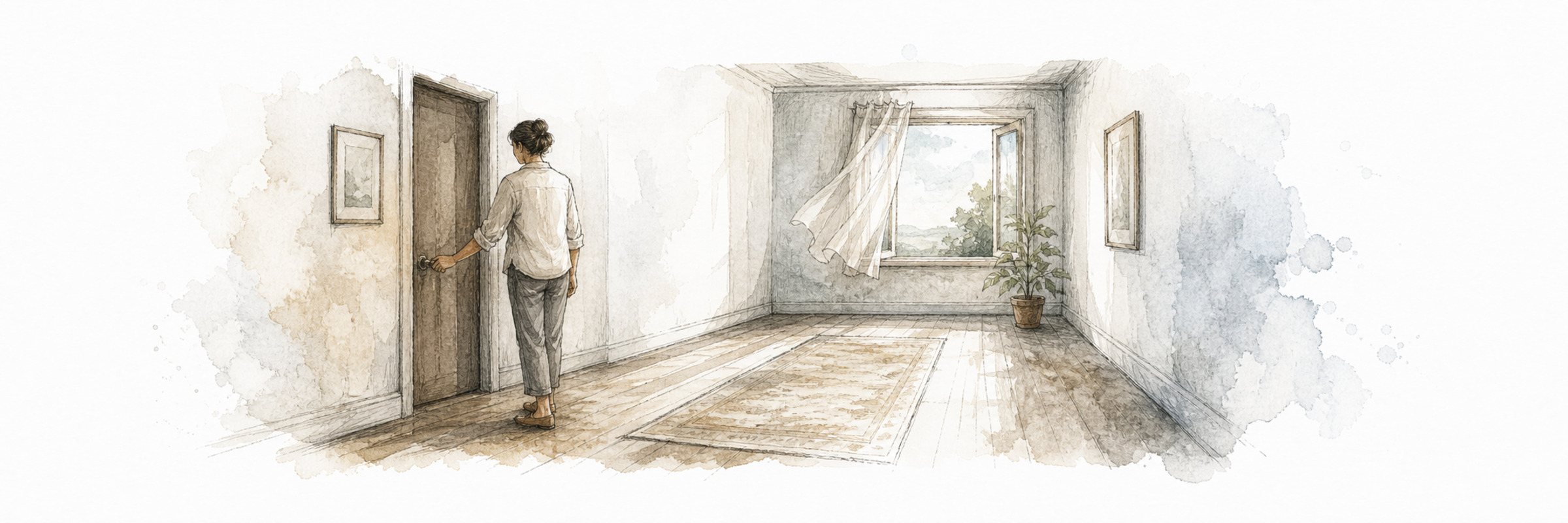
Another person’s limitations do not have to become our limitations. When one door closes, it hurts, but it does not have to be the end of our story. Sometimes the healthiest thing we can do is accept that something is over and make room for what comes next.
Resilience matters most in that moment. Real resilience is not pretending we were never hurt. It is letting pain teach us without letting it harden us.
The Beauty of Life and Choices
Life keeps placing choices in front of us. We can stay guarded, bitter, and shut down, or we can stay open enough to keep learning, loving, and growing. Among those choices, one of the most important is the choice to love well. Authentic love asks for honesty, vulnerability, and change. When we refuse that work, we lose connection with others and with parts of ourselves.
The Inner Work
The hardest work is often inner work. It means facing fear without dressing it up. It means admitting where we have been stubborn, defensive, or scared. It means letting go of the parts of us that no longer tell the truth.
Life brings loss, disappointment, surprise, and joy. Through all of it, we learn a simple truth: life is not fixed. It keeps moving, and so can we. That realization gives us a chance to release what is gone and meet what is coming with more wisdom.
The Genesis of Acceptance
Returning to the quote shared earlier, it is clear that we mourn not only the past we lost but also the future we thought would be ours. Grieving the future you imagined is real grief, and it deserves honesty.
Acceptance begins when we stop arguing with reality. We can grieve what was lost and still believe there is life ahead of us. Every ending carries sorrow, but it can also clear space for truth, peace, and a better beginning.
Learning from the Past
Our past does not imprison us unless we keep handing it the keys. It teaches us, shapes us, and sometimes humbles us. If we let it, it can also make us wiser and softer, not harder.
We move forward best with an open heart, not a naive one. We carry what we learned, and we leave behind what no longer needs to run our lives.
The Power of Choices
In the end, life keeps coming back to choices. Will we cling to what is over? Will we let fear make our decisions? Or will we accept that endings are part of a full life and choose to grow anyway?
Every ending changes us. The question is whether it will make us smaller or make us truer. Hold on to this: endings hurt, but they can also free us. They can lead us back to ourselves and open the way to something better.
It is all right to grieve, all right to let go, and all right to begin again.