Chapter Six: Understanding Manipulation, Blame, Disrespect, and Emotional Health

“Manipulation, fueled with good intent, can be a blessing. But when used wickedly, it is the beginning of a magician’s karmic calamity.”
T.F. Hodge
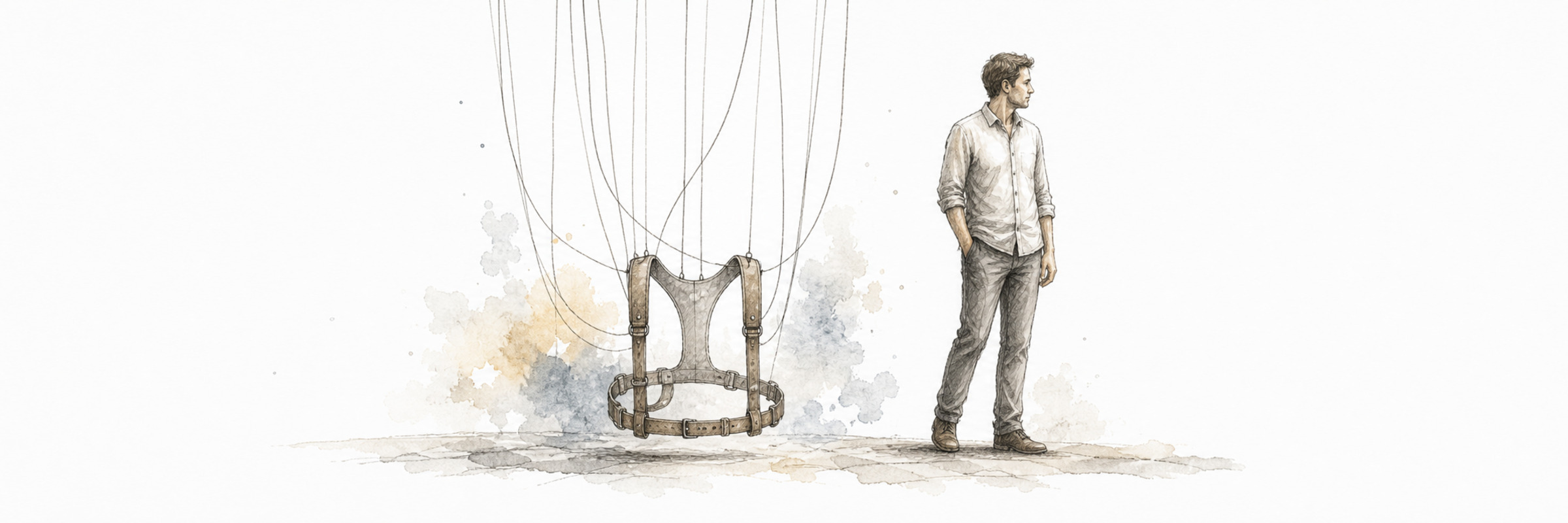
Author T.F. Hodge draws attention to the hidden motive behind an act of influence. All people influence each other. Manipulation begins when influence becomes deceptive, coercive, or self-serving in a way that makes another person lose clarity, freedom, or trust in themselves.
This chapter is about how manipulation works, what it does to emotional health, and how to protect yourself without becoming paranoid or hard-hearted.
What Manipulation Actually Is
Clinical psychologist George K. Simon describes manipulation as a way of influencing another person’s thoughts, feelings, or behavior for one’s own advantage, often through deception, pressure, or control. The definition matters because manipulation is more than “someone disagreed with me” or “someone tried to persuade me.” Manipulation usually involves one of these moves:
- hiding the real agenda
- distorting responsibility
- exploiting guilt, fear, confusion, or dependency
- keeping the other person off balance
One of the clearest examples is blame-shifting. Instead of owning disrespect, the manipulative person turns the conversation toward your reaction. Blame-shifting is the dynamic behind the line, “Manipulation is when they blame you for your reaction to their disrespect.”
Why Manipulation Harms Emotional Health
Manipulation wears people down because it attacks clarity. It can make a person doubt what they saw, what they felt, what was said, and whether they are overreacting. Darlene Lancer has written about how these dynamics contribute to self-doubt, anxiety, depression, and erosion of self-trust.
The attack on self-trust is part of what makes manipulation so damaging. The manipulator is not only trying to get something from you in the moment. They are often trying to reshape the frame so that you stop trusting your own mind.
Susan Krauss Whitbourne has also written about how manipulative behavior can be tied to power, control, lack of empathy, narcissistic traits, and fragile self-image. In other words, manipulation is often less about love and more about leverage.
Common Manipulation Tactics
Manipulation can show up in many forms, but a few tactics repeat often enough that it helps to know them by name.
Blame-Shifting
The manipulator avoids responsibility by making you feel like the real issue is your tone, your sensitivity, your memory, or your response. The original disrespect disappears from the center of the conversation.
Gaslighting
Gaslighting is a pattern of making someone doubt their own perceptions, memories, or sanity. It can sound like:
- “That never happened.”
- “You’re imagining things.”
- “You’re too emotional.”
- “You’re remembering it wrong.”
The goal is not simple disagreement. The goal is destabilization.
Guilt-Tripping
Guilt-tripping uses obligation as a leash. It often sounds morally dressed up:
- “If you loved me, you would…”
- “After everything I’ve done for you…”
- “A real friend would…”
The problem is not the request. The problem is the emotional pressure used to force compliance.
Love Bombing
Love bombing is overwhelming attention, praise, affection, or intensity used to create fast emotional dependence. It feels flattering at first. Then it often turns controlling. What looked like devotion starts functioning like a hook.
Triangulation
Triangulation brings a third person into the emotional field to create insecurity, jealousy, competition, or confusion. Sometimes the third party is real. Sometimes it is implied. Either way, the manipulator is using another presence to gain leverage.
Silent Treatment and Withdrawal
Silence can be healthy when someone needs time to cool down and return to a conversation in good faith. The silent treatment is different. It is silence used as punishment, control, or intimidation. Its power comes from making the other person chase reconnection on distorted terms.
Fearmongering and Information Withholding
Some people control by creating fear. Others control by withholding key information, answering selectively, or staying vague on purpose. Both tactics keep the other person reactive instead of informed.
What Manipulation Looks Like in Real Life
Manipulation often hides inside ordinary situations. It does not always look dramatic. Often it looks like one of these:
- a partner who insults you, then says you are unstable for being hurt
- a co-worker who takes credit, then calls you selfish for speaking up
- a friend who keeps cashing in guilt instead of respecting your limits
- a boss who hints at catastrophe to keep everyone compliant
- a person who gives “favors” in order to create debt you never agreed to
What ties these together is not the exact tactic. What ties them together is the attempt to move you by distorting reality, responsibility, or emotional pressure.
How to Tell the Difference Between Manipulation and Normal Human Messiness
Not every bad interaction is manipulation. People can be careless, defensive, selfish, immature, avoidant, or emotionally clumsy without running a conscious manipulation campaign. So it helps to ask a few questions:
- Is there a repeating pattern?
- Does the person ever take real responsibility?
- Do I feel clearer after talking with them, or more confused?
- Are they trying to understand me, or only trying to regain control?
- Do apologies lead to change, or only to reset?
A single clumsy moment may be a human mistake. A stable pattern of distortion is different. That repeating pattern is the thing to watch.
How to Protect Yourself
Awareness matters, but awareness alone is not enough. You also need response habits that protect your clarity.
Name What Is Happening
Manipulation thrives in vagueness. If you can name the move, you become harder to steer. You do not have to give a speech. Sometimes a simple sentence is enough:
- “That does not answer what I asked.”
- “You are changing the subject.”
- “My reaction is not the main issue here.”
- “I am willing to talk, but not if reality has to be bent first.”
Set Boundaries Early
Boundaries do not stop manipulators from trying. They do help you stop participating in the game. Randy Paterson’s work on assertiveness is useful here because manipulation often succeeds where self-trust and direct communication are weak.
Good boundaries sound plain:
- “I am not discussing this if you keep insulting me.”
- “I will revisit this later if we can speak honestly.”
- “No.”
- “I am not agreeing to that.”
Keep Outside Perspective
Manipulation gets stronger in isolation. Trusted friends, family, mentors, therapists, or support systems help you reality-check what is happening. Lisa Butler’s work on support systems matters here. People recover faster when they are not trapped alone with the manipulator’s version of events.
Trust the Pattern, Not Only the Latest Conversation
Manipulators often live off reset cycles. One soft apology, one affectionate weekend, one emotional breakdown, and suddenly the whole pattern gets forgotten. Do not judge only by the last conversation. Judge by the pattern over time.
Stay Calm, But Do Not Stay Passive
Calm helps because it keeps you from being pulled into the manipulator’s preferred chaos. But calm is not the same as compliance. You can stay composed and still refuse the frame being forced on you.
When Your Gut Is Right, and When Trauma Might Be Talking
Trusting your instincts matters. If something feels off, pay attention. At the same time, people with trauma histories can sometimes read threat everywhere because their alarm system was trained in painful conditions. Testing your gut does not mean ignoring it. It means checking it against evidence.
A good question is: “Is my alarm responding to this pattern, or is it reacting to an old pattern this situation resembles?”
Sometimes the answer will be immediate. Sometimes you will need time, outside perspective, and evidence. Support matters for that reason too.
Seeing the Strings
Manipulation works by confusing the target and protecting the manipulator. It turns disrespect into your problem, pressure into obligation, and distortion into a new version of reality.
The antidote is not becoming cold or suspicious of everyone. The antidote is becoming clearer. Learn the tactics. Name the pattern. Set boundaries. Keep outside perspective. Trust what repeats.
Once you can see manipulation clearly, it becomes much harder for someone else to use your confusion as a weapon against you.