Chapter Twelve: The Science of Habit Formation, How Patterns Form and How They Change
“Quality is not an act, it is a habit.”
Aristotle
Greek philosopher Aristotle understood long ago that repeated action shapes character. Most of what we do each day is not decided from scratch. It runs on repetition. Habits help the brain save energy by turning repeated behaviors into patterns that can operate with very little conscious effort. That efficiency is useful, but it also means we can wake up one day and realize parts of our life are being shaped by patterns we never deliberately chose.
How Habits Form
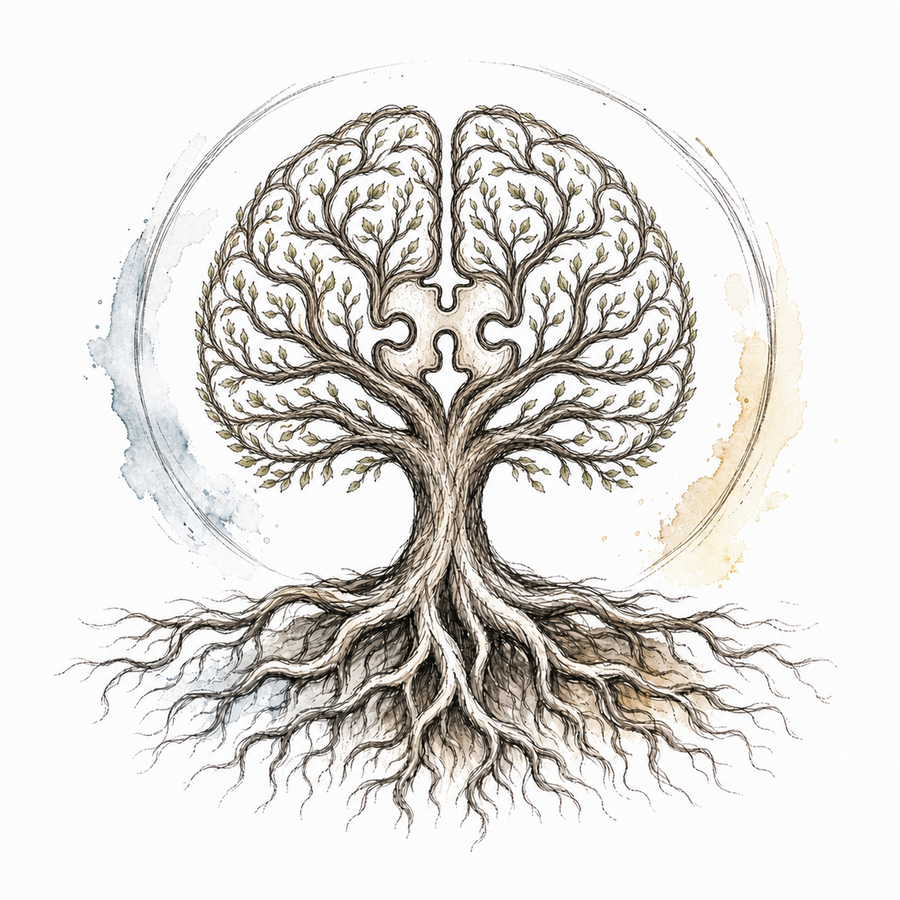
Researchers studying habit formation point to the brain’s tendency to automate repeated behavior, especially through systems involving the basal ganglia [490]. When a behavior is repeated often enough, the brain starts “chunking” it into a routine. Instead of making a fresh decision each time, it learns a shortcut [490].
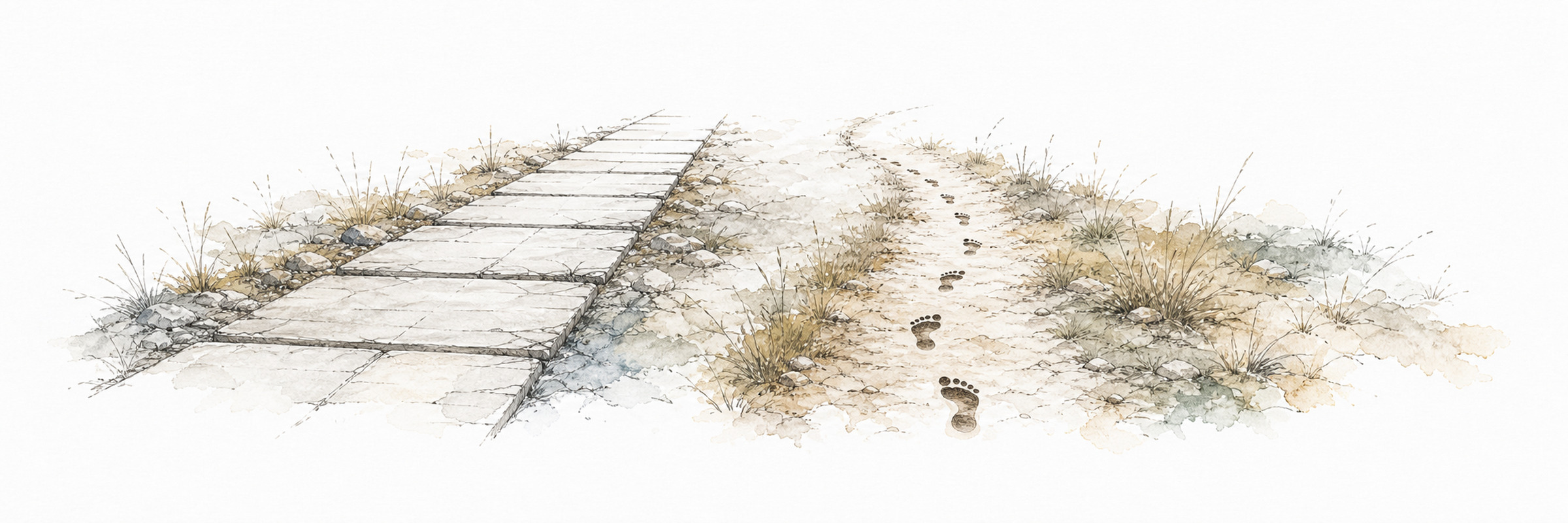
A simple picture helps here. Imagine walking through the same patch of grass every day. At first there is no path. After enough passes, a trail appears. Habits work much the same way. The more often we walk a behavior, the easier it becomes to walk again.
The Habit Loop
Charles Duhigg popularized a useful way of describing this process: cue, routine, reward [491]. A cue starts the behavior. The routine is the behavior itself. The reward is what teaches the brain that the pattern is worth remembering.
For example:
- the cue might be the mid-afternoon slump
- the routine might be reaching for sugar or caffeine
- the reward might be relief, stimulation, or a mental break
When the same loop repeats often enough, the behavior begins to feel automatic [491].
Why Habits Are Hard to Change
Once a habit is formed, it becomes the path of least resistance [492]. That lingering pathway is one reason people can slip back into an old pattern even after months or years of progress. The brain remembers the older trail. It may be overgrown, but it is still there [492].
Habit change often feels frustrating for that reason. We are not only trying to stop a behavior. We are trying to interrupt a loop the brain has learned to trust.
How to Change a Habit
One of the most practical lessons in the habit literature is that change works better when we replace rather than merely remove [491]. If the cue stays the same and the reward is still needed, the routine can often be changed.
For example, if stress sends you toward mindless snacking, the real reward may not be food. It may be comfort, stimulation, or a short break. Once you understand that, you can experiment with a different routine that meets the same need.
Implementation intentions help here too. Peter Gollwitzer’s work shows that simple, specific plans can make new behavior more likely [493]. Instead of saying, “I want to read more,” you might say, “When it is 7 p.m., I will sit in the chair by the lamp and read for 20 minutes.” [493]
Clear plans reduce friction. They give the brain a script to follow.
Keystone Habits and Habit Stacking
Not all habits carry the same weight. Some have ripple effects. Duhigg describes these as keystone habits, behaviors that often trigger wider change [491]. Regular exercise is a common example because it can influence sleep, food choices, patience, and mood.
Wendy Wood and David Neal also help explain why habits cluster into systems rather than isolated acts [492]. James Clear builds on that kind of thinking with the practical idea of habit stacking: attaching a new habit to an old one [494].
So instead of trying to create a meditation habit out of thin air, you might say:
“After I make my tea, I will sit quietly for five minutes.”
The old habit becomes the cue for the new one [494].
Identity, Belief, and Motivation
Habit change is not only mechanical. Belief matters too. People often struggle to change because the new behavior clashes with the identity they still carry.
There is a real difference between saying, “I am trying to quit smoking,” and saying, “I am not a smoker.” The first frames change as a temporary effort. The second frames it as a new identity [494].
Motivation matters as well. Ryan and Deci distinguish between intrinsic and extrinsic motivation [495]. A habit tied to values, meaning, or genuine satisfaction tends to last longer than one driven only by pressure, guilt, or appearances [495]. If a habit fits who you want to become, it has a better chance of surviving difficult days.
Patience and Self-Respect
Habit change takes longer than people want it to. That slower pace does not mean the work is failing. It means the work is real.
Some days the pattern holds. Some days an old habit returns. Neither day tells the whole story. What matters is whether you keep learning, adjusting, and beginning again.
Self-compassion matters here. A person can be honest about a bad habit without turning that honesty into contempt. Shame rarely builds a good life. Steady practice does.
Small Choices, Long Shadows
Habits shape days, and days shape lives. That chain reaction is why habit change matters so much. Small repeated choices become character, health, relationships, and direction over time.
The encouraging part is that habits are not fate. They are learned, and what is learned can be relearned. With awareness, structure, patience, and enough repetition, people really can change the patterns that run their lives.
The work is not about becoming perfect. It is about becoming more intentional. That quieter goal is the one that actually changes things.