Chapter Five: Embrace Change and Transform Yourself, A Guide to Personal Growth and Fulfillment

“Man cannot discover new oceans unless he has the courage to lose sight of the shore.”
André Gide
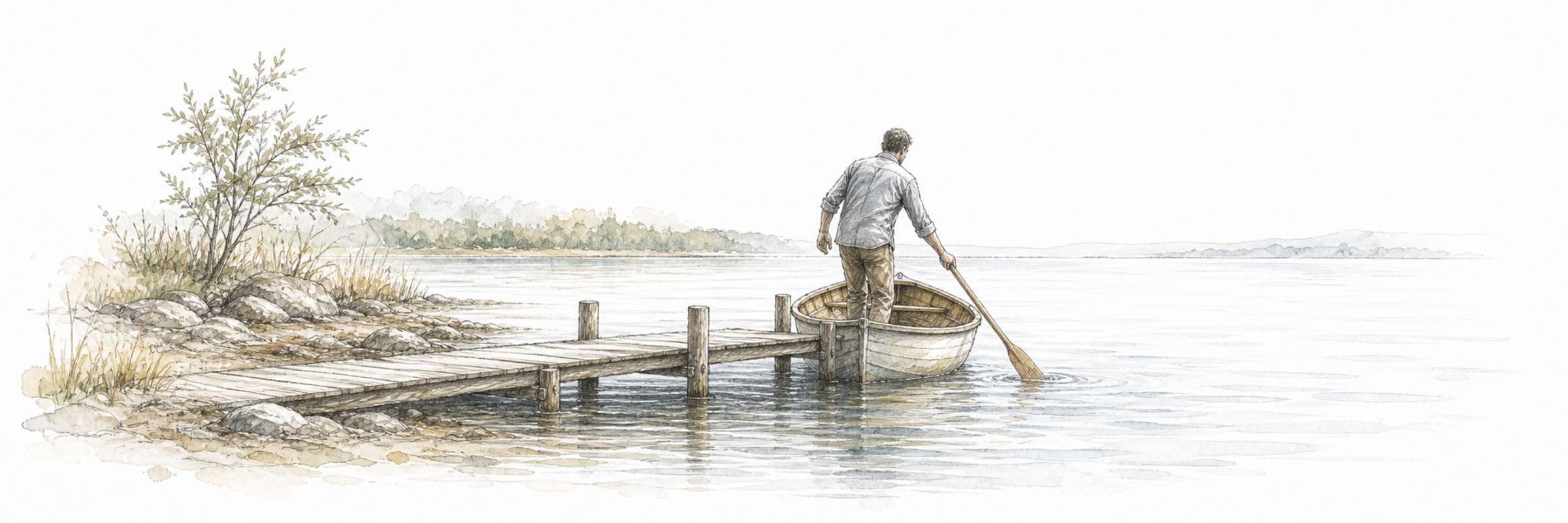
French writer André Gide’s image of leaving the shore captures what change often feels like. Change can feel unsettling because it asks us to loosen our grip on what is familiar. At the same time, change is often where growth begins. This chapter is about learning to welcome change, start again when needed, and become the person life is trying to shape through the process.
Embracing Evolution
As human beings, we do not stay the same. We change through joy, pain, failure, love, responsibility, and time. That change is not always a sign that something has gone wrong. Often it is a sign that life is still working on us [14-16].
Growth can be slow enough that we barely notice it. Then one day we realize we respond differently, want different things, and see the world with more depth than we once did. That kind of change is not betrayal of the person we used to be. It is part of becoming who we are meant to become.
The Blessing of Starting Over
Starting over scares most people because it feels like loss before it feels like possibility. Still, a new beginning can be a mercy. It can clear space for better habits, healthier relationships, stronger convictions, and a more honest life [17].
Beginning again does not mean we failed at life. Sometimes it means we finally told the truth about what was no longer working. A fresh start can feel like walking into fog, but it can also be the first step toward peace.
Personal Growth as a Lifelong Process
Many people talk about growth as if it were a finish line. It is not. Personal growth is a lifelong process of learning, unlearning, adjusting, and becoming [18].
Some seasons ask for courage. Some ask for humility. Some ask for patience while we rebuild after disappointment. The work changes, but the invitation stays the same: keep growing.
Growth also asks us to take risks. We try something new, speak more honestly, leave what is harmful, or begin again after a failure. Those choices can feel small from the outside, but they change us from the inside. Each one builds a little more confidence, resilience, and self-respect.
Personal Growth, Success, and Happiness
Success and happiness are often treated like prizes waiting somewhere in the distance. In many cases, they grow out of the kind of person we are becoming. A person committed to growth is usually better prepared for opportunity, better able to recover from setbacks, and more able to build a meaningful life [19].
Cai and Lian also point to the link between personal growth, purpose, and confidence [20]. When people believe they can grow, they tend to face life with more agency. They do not become fearless, but they do become more willing to keep moving.
One simple way to think about change is to picture a tree through the seasons. It does not panic when leaves fall. It uses the season it is in. Human beings are more complex than trees, of course, but the lesson still helps: not every season is meant to look the same, and change is not always a threat.
Staying Willing
Change is not always comfortable, and growth is not always graceful. There will be times when it feels like life is asking too much of us. Even so, change often opens the door to maturity, wisdom, and a fuller kind of peace.
André Gide wrote that we cannot discover new oceans unless we lose sight of the shore. The same truth applies to personal growth. We rarely become stronger by staying inside the same emotional borders forever. Sometimes we have to release what was familiar so we can make room for what is truer.
The point is not to chase change for its own sake. The point is to stay willing to grow when life asks it of us. If we do, then even hard changes can shape us into steadier, wiser, and more compassionate people.