Chapter Six: Finding Strength in Letting Go, Embracing Life’s Challenges and Cherishing Memories
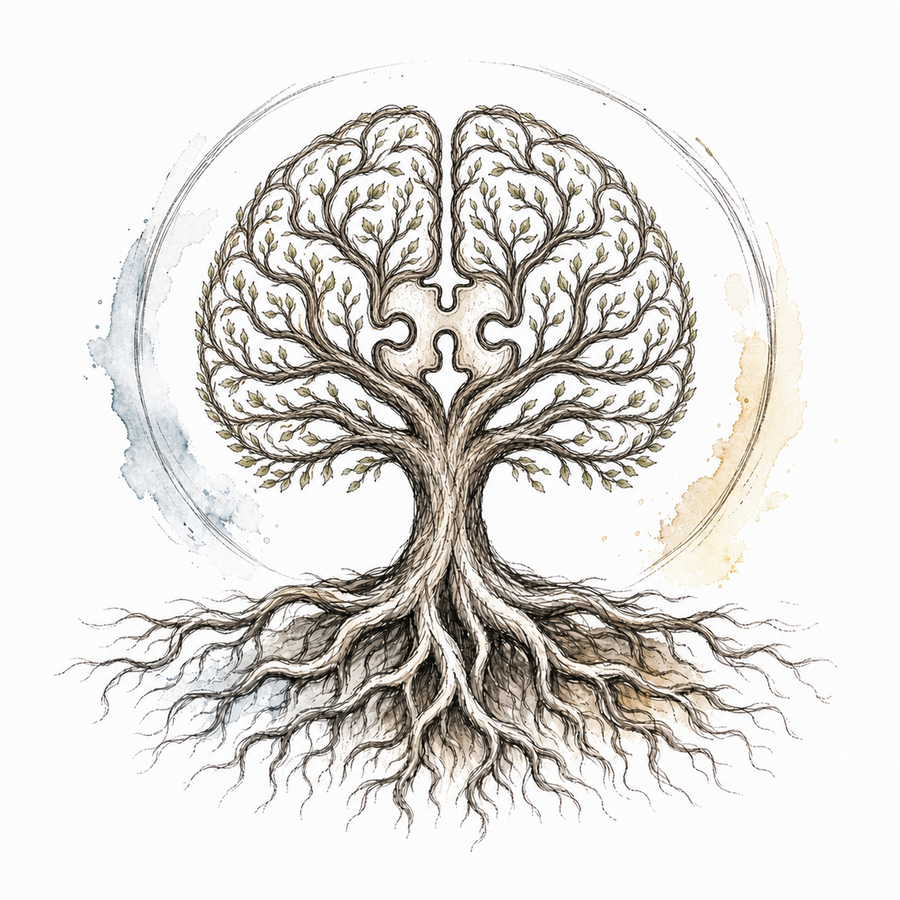
“In the process of letting go, you will lose many things from the past, but you will find yourself.”
Deepak Chopra
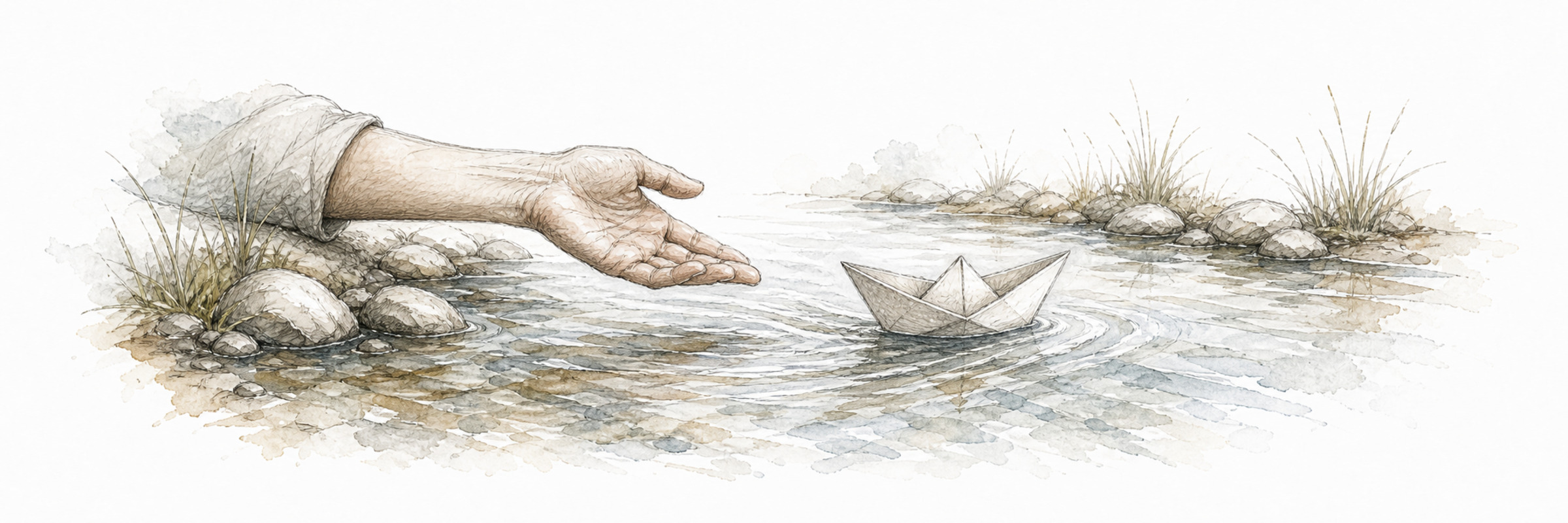
Writer and spiritual teacher Deepak Chopra points toward a truth many grieving people discover slowly. Love and loss rarely arrive with clear instructions. Sometimes we have to let go of people, plans, or versions of life we thought would last. This chapter is about grief, memory, love, and the kind of strength it takes to keep living honestly after something breaks.
When Life Refuses to Follow the Plan
Life can feel steady for a while, and then one hard loss can change the whole shoreline. Someone dies, leaves, changes, or becomes unreachable, and suddenly the life we knew no longer fits the map in our hands. That kind of pain can leave us disoriented.
Grief often feels like being thrown into rough water without warning. At first, we are only trying to stay afloat. Later, we begin learning how to breathe again, how to move again, and how to trust that we will not drown in every wave that rises.
Emotional resilience is part of that work, but resilience does not mean pretending we are fine. It means telling the truth about what hurts and continuing anyway. It means learning how to keep living when certainty is gone and the future looks different than we hoped.
The Complexity of Love and Relationships
The words “I love you” matter, but they are not a promise that everything after them will be easy. Love can be deep, sincere, and still unable to carry two people through every problem. Sometimes people care for each other and still part ways. Sometimes the timing is wrong, the wounds run too deep, or the relationship asks for something one or both people cannot give.
That truth can feel cruel at first. Still, there is something honest and freeing in facing it. Love is not only about holding on. Sometimes love asks us to release what is no longer healthy, no longer mutual, or no longer real. Letting go can hurt, but holding on to something broken can hurt even more.
Learning to Let Go and Cherish Memories
Letting go does not mean pretending someone never mattered. It does not mean we stop loving them, stop missing them, or stop wishing things had ended differently. It means we stop asking the past to become the present again.
Memories can hurt, especially at first. Then, over time, they can begin to feel more like a room we can enter than a wound we cannot touch. We remember the laugh, the look, the habit, the place, the ordinary moment that suddenly became sacred because it is gone.
That kind of remembering is not weakness. It is one way love stays honest. We carry what mattered, and we keep walking. We make room for gratitude without denying grief. We allow old memories to stay dear while still making new ones with the people who are here now.
Shaping Our Lives and Embracing Challenges
Loss can make life feel smaller for a while. It can make the future seem like something that happened to someone else. But even after heartbreak, there is still life in front of us. There are still decisions to make, people to love, and ways to grow.
That responsibility can feel heavy, but it is also part of what gives life meaning. We are not in control of everything that happens to us. We are, however, responsible for how we respond. Step by step, choice by choice, we shape the kind of person we become.
Challenge is not always a gift, and pain is not automatically noble. Still, hard seasons can deepen us if we let them teach us honesty, humility, patience, and compassion. We do not have to like suffering to learn from it.
Holding On, Letting Go, and Living Forward
Letting go is one of the hardest things we do. It asks us to release what we wanted, what we loved, or what we thought would stay. At the same time, it teaches us something we could learn no other way: we can survive the breaking of a dream and still live a meaningful life.
The goal is not to become cold enough to feel nothing. The goal is to remain open enough to keep loving, wise enough to accept reality, and strong enough to move forward without betraying what mattered. We can honor the past without living in it. We can grieve honestly and still welcome joy when it comes.
Hope does not always arrive as a loud feeling. Sometimes hope is quiet. Sometimes it is simply the choice to get up, tell the truth, and keep going. That kind of hope is not false comfort. It is one of the strongest things a person can carry.