Chapter Seven: Choose Happiness, Why We Should Focus on What Really Matters in Life
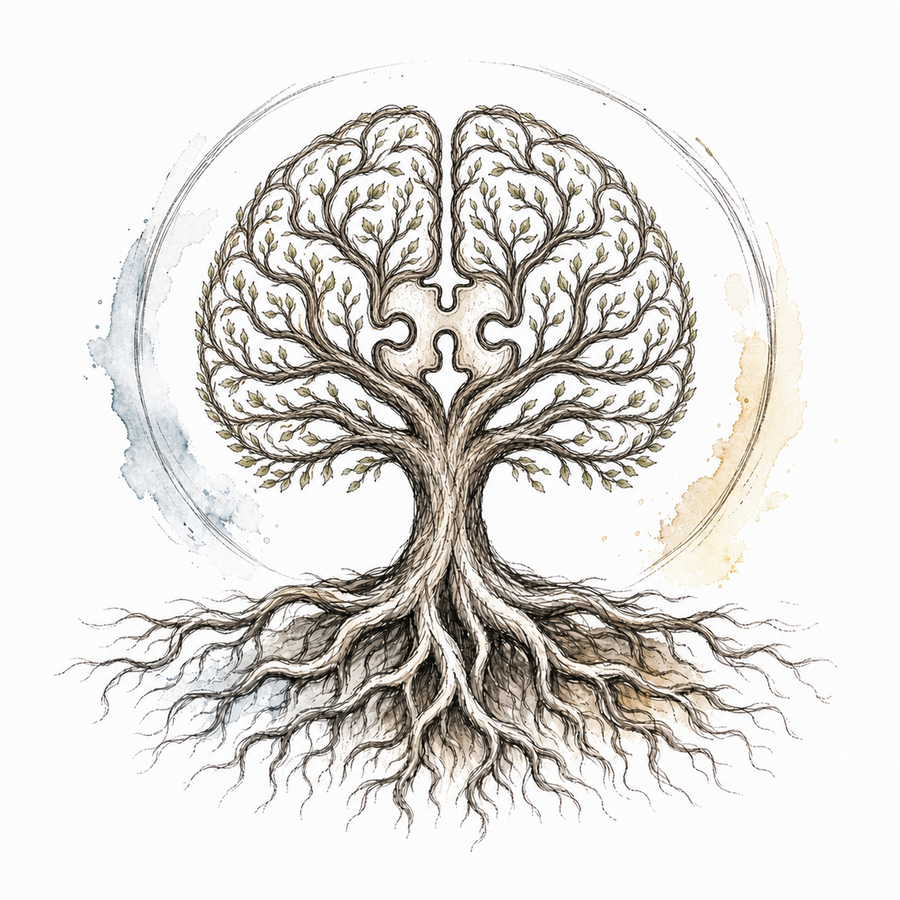
“The purpose of our lives is to be happy.”
Dalai Lama
Tibetan Buddhist leader the Dalai Lama is often quoted on happiness because he keeps returning to what actually matters. Happiness sounds simple until real life starts pressing on us. Most people are not short on reasons to worry, compare, resent, or drift. What matters is where we keep putting our attention. This chapter is about four things worth protecting: living fully, building real happiness, feeling loved, and finding peace.
Living Fully: Embracing Each Day
Living fully does not require a dramatic life. It requires presence. A full life is often built from small faithful choices: paying attention, trying new things, staying curious, letting beauty in, and refusing to sleepwalk through your days.
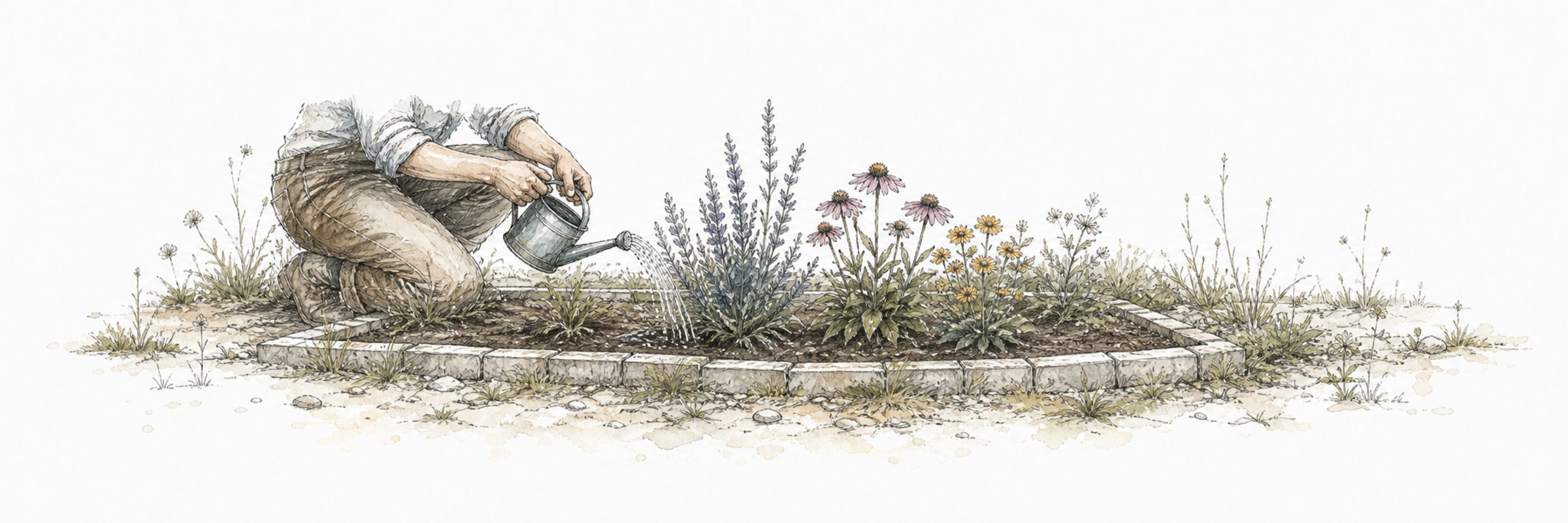
Attention works a lot like water. What you keep watering will grow. If you keep watering envy, bitterness, and distraction, those things take over. If you keep watering gratitude, courage, and connection, life starts to feel different from the inside out.
The Pursuit of Happiness
Karen Casey writes about happiness in terms of peace and purpose, not endless pleasure [21]. Peace and purpose are wiser goals. Pleasure comes and goes. Peace is steadier. Purpose gives a person something solid to stand on when feelings are mixed.
Sara Ahmed also reminds us that happiness is shaped by culture, expectation, and the stories we are handed about what a good life is supposed to look like [22]. Ahmed’s point matters because many people chase an image of happiness they never personally chose. They pursue status, attention, approval, or appearance, then wonder why the result still feels thin.
One practical suggestion is to focus on what actually nourishes life instead of what merely performs well from the outside [23]. What nourishes life may include meaningful work, rest, faith, beauty, service, laughter, or relationships that leave you more honest and alive. The Dalai Lama’s familiar reminder that the purpose of life is to be happy points in that same direction [24]. Matthieu Ricard goes even further and treats happiness as something that can be cultivated through practice, attention, and inner training [25].
Real happiness is not denial. It does not ask you to pretend life is easy. It asks you to stop giving every passing frustration authority over your whole life.
Feeling Loved: The Strength of Relationships
Feeling loved changes how a person carries life. Love from a partner, family member, friend, child, mentor, or community can steady us in ways achievement alone cannot. It reminds us that we are more than what we produce.
Love is also not limited to romance. Friendship can carry enormous healing. Family love, when healthy, can give a person a deep sense of belonging. Even self-respect matters here. People who treat themselves with dignity are usually better able to receive love without clinging to it and better able to give love without losing themselves.
When love is healthy, it becomes a shelter rather than a performance. It does not erase pain, but it helps pain feel more bearable. It gives people somewhere to rest their heart.
Finding Peace in a Chaotic World
Peace matters because modern life is loud. The mind gets crowded by urgency, comparison, bad news, unfinished tasks, and the feeling that we should always be doing more. Without some inner steadiness, all of that noise starts running our emotional life.
Mark Williams and Danny Penman describe mindfulness as learning to come back to the present moment with awareness instead of living on autopilot [26]. That practice helps people respond more wisely instead of reacting from fear, irritation, or exhaustion. Peace is not the absence of difficulty. Peace is the ability to stay grounded enough to meet difficulty without being ruled by it.
Some people find that peace through prayer. Some through meditation. Some through time in nature, quiet routines, honest conversation, or faithful reflection. The method can vary. What matters is building a place inside yourself that the chaos does not get to own.
Water What Is Worth Growing
If you want a better life, start by guarding your attention. Live with your eyes open. Choose the kind of happiness that can survive hardship. Receive and give love in ways that make people stronger. Build peace on purpose.
A good life is rarely built in one grand decision. It is built in the small repeated choices that shape what grows inside you. Water what is worth growing.