Chapter Thirteen: Love Beyond Sight and Why Real Love Runs Deeper Than Appearance

“Life is a flower of which love is the honey.”
Victor Hugo
French novelist Victor Hugo knew how to speak about love in images people remember. “Love isn’t something you see; it’s something you feel. It may sound like poetry, but there is truth in it.”
Attraction often begins with what we notice with our eyes. When you look at someone you desire, your brain responds with chemicals linked to attraction, attachment, and reward [49]. The chemistry is real. But lasting love asks a deeper question: what remains when appearance changes, distance grows, or life becomes hard?
If love lives only in the eyes, it will struggle. If it takes root in character, trust, and shared life, it has a much better chance of lasting.
Two Ways People Often Love
One simple way to think about love is this: some love stays close to the surface, and some love goes much deeper. Surface love is centered on appearance, novelty, status, or the rush a person gives us [50]. Deeper love grows through respect, shared values, emotional safety, and a life built together [51].
Early attraction is not fake just because it begins on the surface. Most love starts there. The question is whether it keeps growing. If it does not, the relationship can become fragile very quickly.
When Love Stays on the Surface
Superficial love can feel permanent when everything is new. You see someone’s beauty, charisma, or usefulness and think, “This is it.” But love that depends mostly on appearance is easy to shake. Bodies change. Circumstances change. Time changes all of us. Love built mostly on appearance can fade like paint left too long in hard sun. What looked vivid at first can thin quickly when it had no deeper anchor.
Research on commitment suggests that people sometimes protect a relationship by turning their attention away from alternatives [50]. Turning away from alternatives may help loyalty, but it does not turn shallow love into deep love. If affection depends mostly on what a person looks like or what they provide, it often weakens when those things change.
Love That Outlasts Appearance
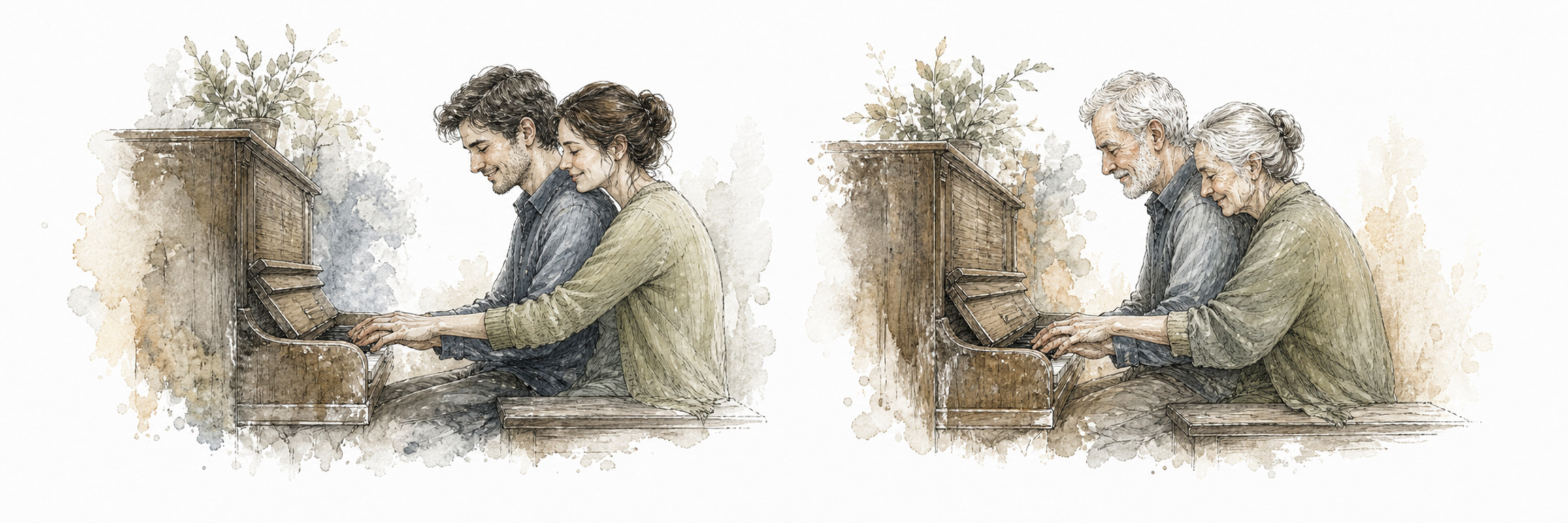
The love that endures is built on more than sight. It is rooted in emotional closeness, shared meaning, and the kind of trust that grows over time [52]. You are no longer attached only to a face or a feeling. You are attached to a person and to the life the two of you have made together.
Neuroscience supports the idea that long-term romantic love can stay deeply alive in the brain [52]. Deep love is not dull by definition. It can remain warm, active, and meaningful long after the first rush of attraction. That finding matters because it reminds us that real love does not disappear once novelty fades.
Loving the Departed: An Eternity in a Heartbeat
Few experiences are as universal and as personal as grief. When someone we love dies, the absence can feel unbearable. The room is quieter. The future looks different. Parts of daily life can suddenly feel empty.
But love does not vanish just because someone is gone. In many cases, it stays with us in a different form [53].
An Enduring Mark
Love leaves marks on us. It shapes the way we speak, what we value, how we comfort others, and what we remember when life gets hard [53]. Even after a person is gone, the love remains part of our story.
Love That Keeps Shaping Us
When love is real, it keeps shaping us after the loss. It lives in the stories we tell, the habits we keep, the kindness we extend, and even the little expressions we picked up from the person we loved [53]. The continuing influence of love does not erase grief. It simply means grief is not the only thing left behind.
Love in Daily Life
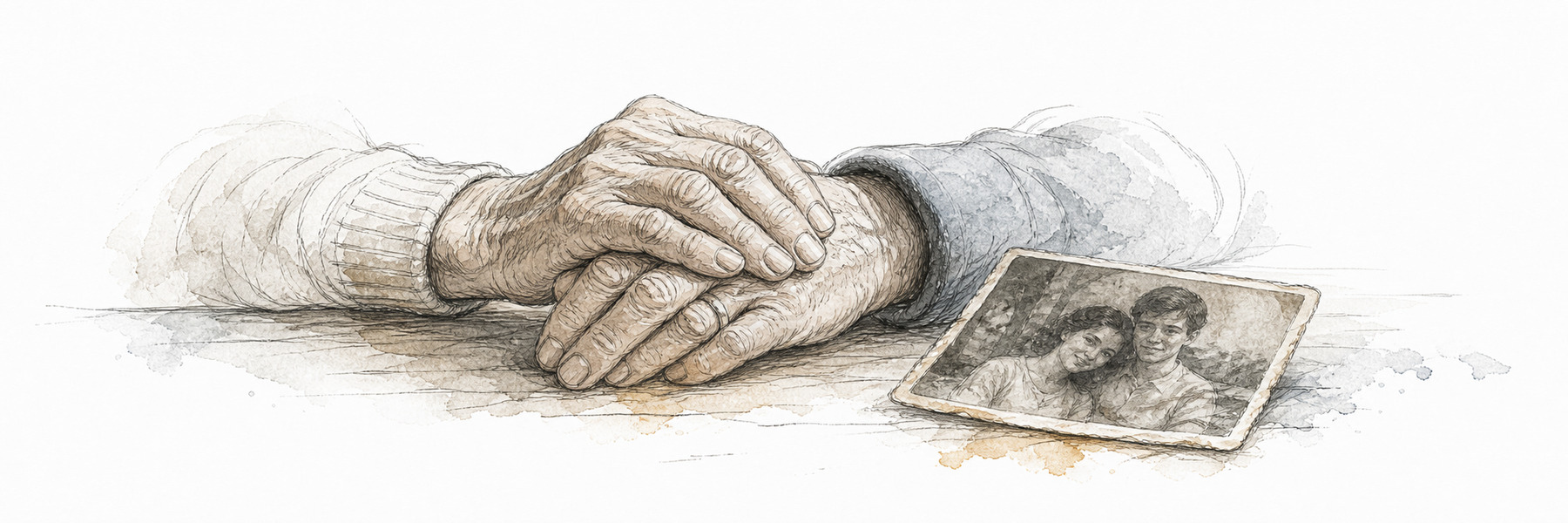
Love does not need physical presence to keep affecting the heart. You do not stop loving someone because you can no longer hear their laugh or see their face. For many people, the bond changes shape instead. It becomes memory, gratitude, influence, and a deep sense of connection that still shows up in daily life [53].
The Conversation Changes, It Does Not End
Many grieving people still talk to the person they lost. They speak to them in the car, in the kitchen, or in the quiet of the night. They notice reminders of them in music, in habits, in old sayings, and in ordinary moments. Speaking to the dead is not weakness. It is one of the ways love continues to live in us [53].
A Heart Strong Enough to Grieve
Grief hurts because love mattered. If the bond had been shallow, the loss would not cut so deep. The pain tells the truth about what the relationship meant. And over time, many people discover that grief and gratitude can live side by side.
Eternal Echoes: Keeping the Love Alive
Love does not have to disappear when a person does. It can mature. It can deepen. It can become part of the way we live and love others [54].
Resonant Memories
Memories keep love close. Every shared value, lesson, joke, and ordinary moment can become a way that person still lives in your mind [54]. These memories are not empty. They carry weight because they shaped you.
Virtuous Echoes
We also keep love alive by living out what the person gave us. Maybe it is their kindness, their steadiness, their humor, or the way they treated people. When we carry those things forward, their influence does not disappear [54].
Imprints on Our Canvas
The people we love leave marks on us. Your life is different because they were in it. Your choices, kindness, and resilience may now carry parts of what they taught you [54]. Living out what they gave us is one way love remains.
Love’s Immortality
In that sense, love has its own kind of permanence. It keeps working in the world through the person who still carries it. The one you lost may no longer be beside you, but the love can still shape how you live, what you value, and how you care for others [54].
Wrapping It Up: Eyes May Be the Window, but the Heart Is the Home
Your eyes may help you notice someone, but they cannot carry a relationship by themselves. The deeper work happens in the heart and mind. The heart and mind are where love grows roots and becomes something lasting [55]. So look deeper than appearance. Pay attention to character, trust, tenderness, and the way two people treat each other when life gets hard.
Real love may begin with attraction, but it lasts because of something deeper. It is carried by connection, loyalty, memory, and care. That deeper pattern is true in romance, and it is just as true in grief. Some of the deepest love we ever know is love we can no longer see, but still feel every day.