Chapter Eleven: Unmasking Psychological Abuse, Seeing Clearly Again

“Trust thyself: every heart vibrates to that iron string.”
Ralph Waldo Emerson
Essayist Ralph Waldo Emerson defended self-trust, a capacity that psychological abuse can steadily erode. Naming the pattern can be one step toward recovering it. Psychological abuse can be hard to name because it often leaves no bruise for other people to point to. The damage is real anyway. It can wear a person down slowly, quietly, and deeply until they begin to question their judgment, their worth, and even their memory of what happened.
Understanding Psychological Abuse
We need to define this clearly, because people misuse the term when they are describing ordinary conflict, one-time unkindness, or a painful disagreement. Psychological abuse is not simply a rough conversation or a bad day. It is a repeated pattern of control, humiliation, intimidation, manipulation, degradation, or reality-twisting that wears down another person’s mind and sense of self.
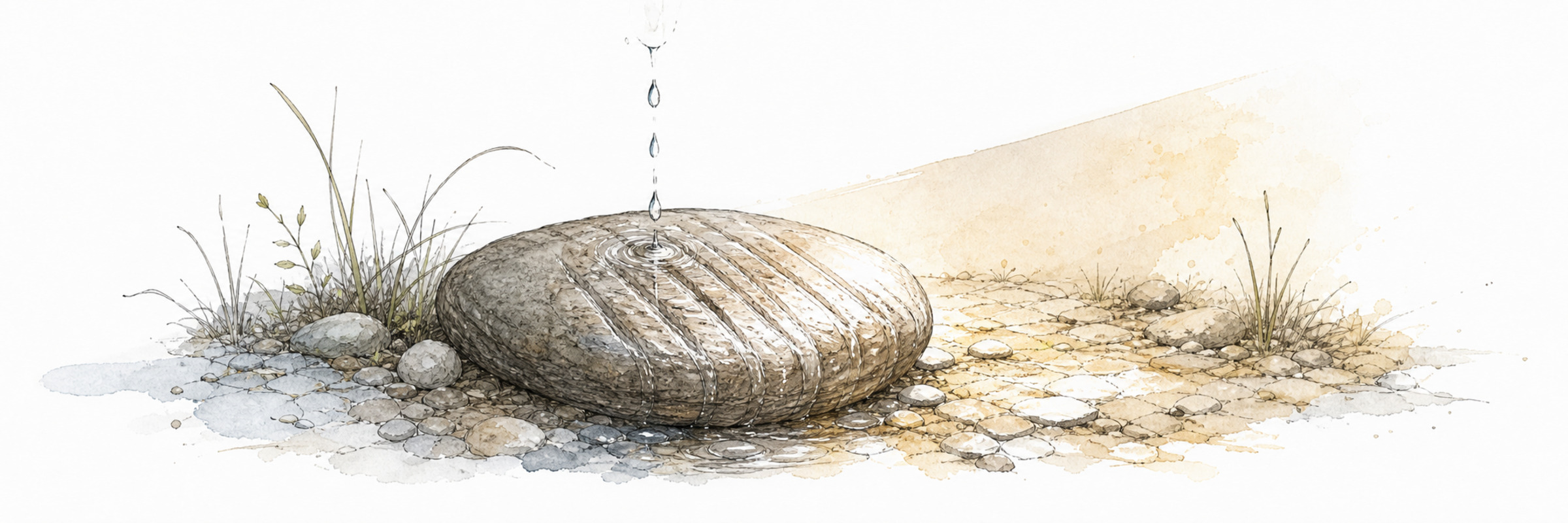
One simple way to picture it is this: psychological abuse works like water wearing down stone. One moment may not look dramatic from the outside. Repeated over time, the damage becomes unmistakable.
Psychological abuse is about power and control. It can contribute to anxiety, depression, trauma symptoms, and other serious psychological harm [151]. The wound is often invisible to other people, but the person living inside it feels it every day.
The Chameleon: Forms and Effects of Psychological Abuse
Psychological abuse can show up as constant criticism, contempt, coercive control, threats, isolation, humiliation, manipulation, or relentless blame. Gaslighting is one of its most damaging forms. In gaslighting, the abusive person keeps distorting events so the other person starts doubting their own memory, perception, and sanity [149].
The effects do not stay neatly in the mind. They can affect the body, sleep, relationships, work, and overall health [150]. Many victims also struggle to recognize what is happening because the pattern often builds slowly and gets mixed with apologies, excuses, or brief periods of calm.
Breaking the Silence: Understanding and Action
Psychological abuse grows best in silence. The more confused, isolated, and ashamed a person feels, the easier it becomes for the pattern to continue.
Naming it matters. When a person begins to recognize the pattern, they are no longer fighting fog. They can start reaching for support, information, safety planning, therapy, or trusted people who can help them see clearly again.
The Art of Discernment: Building Resilience Against Psychological Abuse
Resisting psychological abuse starts with discernment. You have to learn the difference between ordinary human friction and a sustained pattern of domination.
Education helps. When people learn about coercive control, manipulation, and gaslighting, they are better able to recognize those patterns in real life [72].
Self-awareness helps too. Notice what happens to you around a person. Do you feel smaller, more confused, more defensive, or constantly afraid of saying the wrong thing? Those reactions do not prove abuse on their own, but they can be important clues [151].
Emotional intelligence can also help a person stay grounded instead of being swept away by repeated manipulation [152]. Emotional intelligence does not mean enduring abuse with better manners. It means learning to name what you feel, trust what you observe, and respond from a steadier place.
Sometimes the safest and healthiest choice is distance. In some cases, that means ending the relationship or cutting contact altogether [153–155]. That decision can be painful, but pain does not make it wrong. Sometimes leaving is the first clear act of self-respect.
Once It Has a Name
Psychological abuse may be hard to see, but it is not impossible to recognize. Once the pattern is named, healing can begin.
If this chapter describes something you have lived through, please hear this clearly. You are not weak for being affected by it. You are not foolish for missing it at first. Abusive patterns are often built to confuse the person inside them.
Support matters. Trusted friends, counselors, advocates, and informed professionals can help a person rebuild clarity and safety. No one has to carry this kind of harm alone.