Chapter Fourteen: Why Some Women Push Good Men Away, and How Healthier Bonds Form

“We accept the love we think we deserve.”
Stephen Chbosky
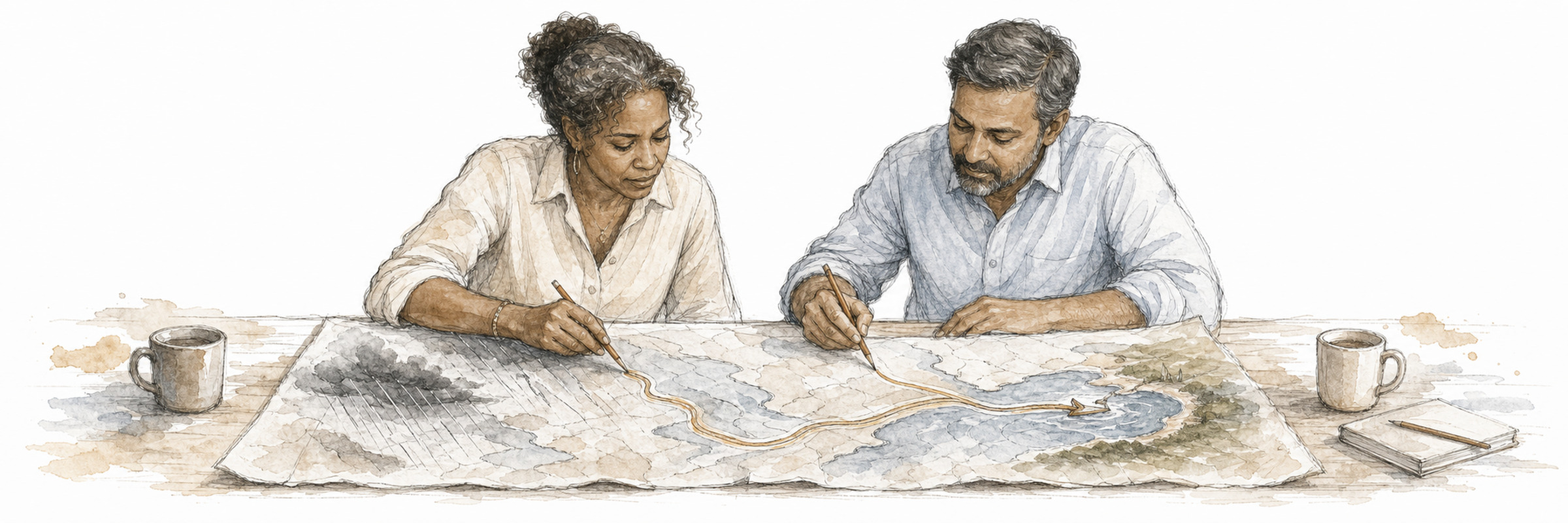
Sometimes a woman ends up with a man who is kind, steady, emotionally available, and serious about the relationship, yet she still pulls away, picks fights, tests him, or leaves. That pattern is real. It is also easy to misunderstand, and novelist Stephen Chbosky’s line above is the shortest honest explanation of it: we accept the love we think we deserve.
This chapter is not here to shame women or flatter men. It is here to explain a pattern therapists see often enough to matter. The same pattern can show up in men too. The focus here is on women because that is the frame of the chapter, but the deeper dynamics are human dynamics.
Start With Careful Definitions
Before asking why someone pushes a good partner away, it helps to define what “good” means. It does not mean rich, flashy, passive, or endlessly accommodating. It means a person shows traits like integrity, empathy, responsibility, respect, emotional steadiness, and follow-through. Those qualities matter across cultures and relationships, and Schwartz and colleagues found that core values such as benevolence, fairness, and responsibility remain deeply important across societies [309].
So the question is not, “Why would someone reject perfection?” The question is, “Why would someone struggle to receive a relationship that is healthier than what they are used to?”
Why a Good Relationship Can Feel Hard to Receive
People do not always move toward what is good for them. Often they move toward what feels familiar. If love has been tied to chaos, inconsistency, criticism, unpredictability, or emotional scarcity, a calmer relationship can feel strange at first. Sometimes the nervous system reads peace as danger simply because peace is unfamiliar.
A healthier relationship can feel boring, suspicious, or even threatening to someone whose emotional map was built in more painful conditions. The problem is not that the good partner is failing. The problem is that the relationship may be colliding with old expectations the person has never fully examined.
Attachment Patterns Often Sit Under the Surface
Attachment research gives us one of the clearest ways to understand this [285]. Our early bonding patterns often shape what closeness feels like in adult relationships. They do not determine our fate, but they do influence what we expect, fear, and tolerate.
Anxious Attachment
A woman with anxious attachment may deeply want love but still sabotage it. She may test, cling, protest, read distance into neutral moments, or push a good man to prove he will stay. The tragic part is that the testing can create the very strain she fears.
Common signs include:
- constant need for reassurance
- fear of abandonment
- sensitivity to shifts in tone or attention
- jealousy or possessiveness
- difficulty calming down once attachment fears are triggered
The good news is that anxious attachment can be worked on. Therapy, better emotional regulation, clearer communication, and relationships with more secure people can help move someone toward security [310,311].
Avoidant Attachment
A woman with avoidant attachment may want connection and still recoil from it once it becomes real. She may value independence so strongly that ordinary closeness starts feeling like pressure. A good man can then become threatening, not because he is unsafe, but because he is emotionally present.
Common signs include:
- pulling away when things get more intimate
- discomfort with emotional dependence
- minimizing the importance of closeness
- retreating into work, routine, or emotional distance
- treating vulnerability like loss of control
Avoidant attachment often softens when a person becomes more honest about fear, challenges rigid self-protective beliefs, and practices emotional openness in tolerable steps [312,313].
Fearful-Avoidant Attachment
Fearful-avoidant, or disorganized, attachment often creates the most confusing version of this pattern. A person wants closeness and fears it at the same time. She may pull a good man close, then push him away, then grieve the distance she helped create.
This pattern often includes:
- mixed signals
- emotional volatility
- distrust even when care is present
- fear of abandonment and fear of engulfment
- strong reactions rooted in trauma or inconsistent caregiving
Fearful-avoidant attachment is often the pattern beneath the phrase “I want love, but I cannot relax inside it.” Treatment can include therapy, trauma work, mindfulness, and repeated experiences of safer, more consistent connection [314–316].
Past Pain Can Distort Present Love
Past experiences matter. If a woman has lived through betrayal, emotional neglect, manipulation, abuse, or unstable attachment, she may carry those lessons into the next relationship [318]. The mind tries to protect itself by looking for signs the old pain is coming back. Sometimes it catches real danger. Sometimes it mistakes care for a trap because care arrived too late in earlier parts of life.
Old pain is one reason a good partner may be misread. His steadiness may look controlling. His openness may feel invasive. His consistency may feel suspicious. His patience may even be tested to see whether it is real.
None of that means she is bad. It means her nervous system may still be organized around old injuries.
Good Men Are Not the Same as Secure Men
The distinction between decent and secure matters. A man can be decent and still lack the emotional maturity to help build a healthy bond. A man can also be kind but conflict-avoidant, nice but unreliable, calm but emotionally absent. So when we talk about a “good man” here, we are really talking about a man whose character and attachment functioning make him a healthy long-term partner.
Securely attached people usually bring some recognizable strengths:
- emotional openness
- steadiness under stress
- respect for boundaries
- better conflict repair
- consistency between words and actions
- enough independence to love without controlling
Those qualities tend to improve relationship stability, communication, and resilience [152,170,285,317,319]. That steadiness is why a secure partner can feel so healing. It is also why a secure person can feel so hard to receive when someone is still organized around chaos.
Why the Push-Pull Dynamic Happens
When a woman pushes away a genuinely healthy partner, the pattern usually comes from one or more of these:
- fear of abandonment
- fear of engulfment
- low self-worth
- mistrust shaped by earlier harm
- attraction to intensity over steadiness
- poor models of healthy love
- shame around needing someone
Think of it like a thermostat set wrong. If a person’s internal setting says love should feel uncertain, then healthy warmth can feel “too much” and ordinary steadiness can feel “not enough.” Until that setting gets recalibrated, the person may keep disrupting what would actually help them heal.
What Helps a Relationship Move Toward Health
Open communication matters, but communication alone is not enough [319]. The conversation has to be honest enough to name the actual pattern. A couple cannot repair what they keep calling by softer names.
What tends to help is:
- naming the attachment pattern without using it as an excuse
- learning to separate present facts from old alarms
- talking about triggers before the next rupture instead of after it
- letting consistency do some of the healing work over time
- building self-awareness so closeness no longer feels like a threat to identity
- getting professional help when the pattern keeps repeating
If trauma is part of the story, specialized treatment may matter more than insight alone [314–316]. Some people understand their pattern very well and still keep reenacting it. Understanding is valuable, but healing usually requires practice, support, and repetition.
When a Man Needs to Stop Overfunctioning and Walk Away
There is another truth that belongs in this chapter. Sometimes a man really is dealing with a woman who keeps sabotaging the relationship, refuses accountability, rejects repair, and keeps turning stability into drama. In that situation, he does not owe her endless patience just because he understands the psychology.
Understanding a pattern is not the same as volunteering to live inside it forever. Compassion does not require self-abandonment. If she will not do the work, will not tell the truth, and will not stop turning love into a test she plans to fail, he is allowed to stop carrying the relationship for both people.
At some point, trying to rescue a person from their own chaos can become its own form of dysfunction. A man can care, be clear, offer honesty, invite growth, and still decide that enough is enough. Walking away is not cruelty when the alternative is helping someone rehearse their disorder at your expense.
To put it plainly, sometimes it is okay to stop caring in the overfunctioning sense. It is okay to stop managing, stop chasing, stop proving, and stop trying to build a home in somebody else’s emotional landfill. If she wants to keep feeding chaos, he is allowed to leave the raccoons to their dumpster fire and go build a better life.
Bitterness is not the goal. It means clarity is the goal. Wish her healing if you can. But do not confuse wishing someone well with staying available to be burned by the same fire over and over.
The Real Goal
The goal is not to teach women to keep every man who is nice to them. The goal is to help people tell the difference between a healthy bond that feels unfamiliar and a bad bond that feels familiar.
If a woman keeps pushing away good men, the deeper question is usually not, “Why can she not recognize love?” It is more often, “What inside her still treats safety, steadiness, and honest intimacy like something to fear?”
The question is painful. It is also hopeful. Because once the real issue is named, it can be worked on.
Learning to Receive Good Love
Some women push good men away not because they secretly want pain, but because old fear, old attachment patterns, old shame, and old expectations can make healthy love hard to receive. The pattern does not excuse sabotage. But it does explain why the pattern happens often enough to deserve compassion and truth at the same time.
Healthy bonds grow when people learn to recognize what is actually safe, communicate more honestly, and stop confusing familiar pain with real compatibility. If that work is done well, a good relationship stops feeling like a threat and starts feeling like home.