Chapter Eighteen: Balancing Empathy and Self, The Power of Saying No

“Nothing is at last sacred but the integrity of your own mind.”
Ralph Waldo Emerson
Empathy is a strength. It helps us care, notice, and respond to other people’s pain. Research on empathy suggests it supports healthier emotional and social outcomes, and that it can be strengthened with practice rather than treated like a fixed gift that only some people receive [4,236,464]. The problem is that empathy without boundaries can slowly turn into self-neglect. Many kind people do not fail because they care too little. They fail because they keep saying yes long after their mind, body, and spirit have started saying no.
A no spoken honestly can be kinder than a yes offered only to keep the peace. That idea is the heart of this chapter. Saying no is not cruelty. Used honestly, it is one way we protect dignity, energy, and the ability to keep loving people without losing ourselves.
Empathy and Personal Boundaries
Some people are naturally generous with time, emotion, and attention. Others quickly learn to become caretakers because that role kept peace in their family or won approval from the people around them. Either way, the pattern can become dangerous if the person never learns where their responsibility ends.
A boundary is not a demand that controls another person. A boundary is a limit that clarifies what you will do, allow, or step away from. That distinction matters. Without it, empathy turns into overextension, resentment, and burnout.
What Real Empathy Is and Is Not
Real empathy is the ability to recognize another person’s inner world and take it seriously. It is not mind reading. It is not automatic agreement. It is not excusing harm. It is not volunteering to carry consequences that belong to someone else [236,464].
Empathy can include emotion, thought, and action. Sometimes it means feeling a little of what another person feels. Sometimes it means understanding what they may be going through even when you do not feel it the same way. Sometimes it means responding with care in a way that is actually useful [193,236].
Empathy and boundaries belong together for that reason. If empathy only means absorbing another person’s pain, it stops being empathy and starts becoming enmeshment. If empathy only means agreeing with whatever another person says, it stops being honest. Healthy empathy can say, “I understand why this hurts,” while also saying, “I cannot fix this for you,” or, “I will not help you keep hurting me.”
Empathy Is Also a Survival Tool
Empathy is not only a soft moral virtue. It is also part of how human beings survive together. People are built for connection. We read tone, facial expression, posture, and distress because social awareness helps us find safety, avoid danger, form bonds, and respond when someone needs help [138,193,289].
Empathy works like social radar. Radar helps a pilot notice what is happening around the plane. It does not mean the pilot becomes the storm. In the same way, empathy helps a person notice what is happening in another person without losing their own judgment, direction, or responsibility.
That survival piece matters because many people were taught a distorted version of empathy. They learned that being caring means staying available no matter the cost. They learned that being loving means absorbing chaos without protest. That kind of response is not mature empathy. It is often fear, conditioning, or trauma wearing empathy’s clothes.
Real empathy makes relationships stronger because it helps people feel seen. It also helps people choose wisely. If you can read another person’s fear, shame, exhaustion, or anger, you are often better able to choose the right moment, the right tone, and the right level of closeness [193,289]. But empathy works best when it stays connected to truth. It should inform your response, not replace your self-respect.
The Power of Saying No
One of the clearest analogies here is the oxygen mask instruction on an airplane. You put your own mask on first, not because you care less about other people, but because you will be no help to anyone once you cannot breathe. Life works the same way. If you run yourself empty trying to rescue everyone else, eventually you will have less patience, less clarity, and less love to give.
Saying no can protect time. It can protect money. It can protect rest. It can protect emotional space. Most of all, it can protect self-respect.
Empathy: A Double-Edged Sword
Empathy helps relationships. It allows us to understand pain we did not cause and feelings we do not share. Still, empathy can become one-sided. If you are always the one understanding, bending, excusing, and absorbing, the relationship may stop being loving and start becoming extractive.
Accepting poor treatment is not the highest form of kindness. Sometimes it is fear dressed up as goodness. Sometimes it is guilt. Sometimes it is a habit learned so early that it feels like virtue.
Putting Empathy and Boundaries Together
Learning to say no often begins with self-awareness. What do you keep agreeing to that leaves you resentful? Where do you feel pressure instead of peace? Which relationships seem to improve only when you stay small, quiet, and endlessly available?
Those answers are useful data. They help show where empathy has started drifting into self-abandonment.
Saying no does not make you hard, abrasive, or selfish. It makes you honest. True strength can be soft-spoken. It can be respectful. It can be deeply empathetic. It still knows how to say, “I can’t do that,” or, “That doesn’t work for me.”
The Right to Open, the Right to Close
You do not have to become less loving in order to become more boundaried. In many cases, the opposite is true. Healthy boundaries make love cleaner. They make generosity freer. They keep resentment from poisoning what would otherwise be a good heart.
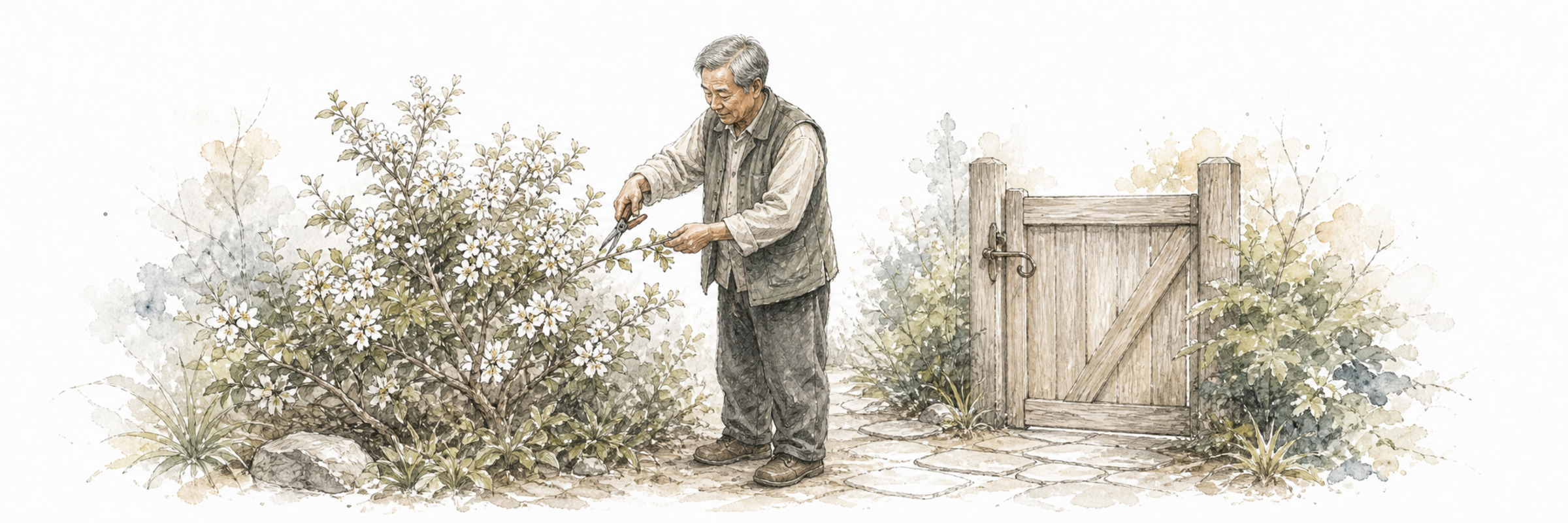
So yes, care about people. Show up when you can. Be kind. Be generous. Just do not confuse being a door with being a doormat. You have the right to open. You also have the right to close.