Chapter Twenty-one: Cheating Is Cheating, A Unified Look at Monogamous and Non-Monogamous Agreements

“Trust, once lost, could not be easily found. Not in a year, perhaps not even in a lifetime.”
J.E.B. Spredemann
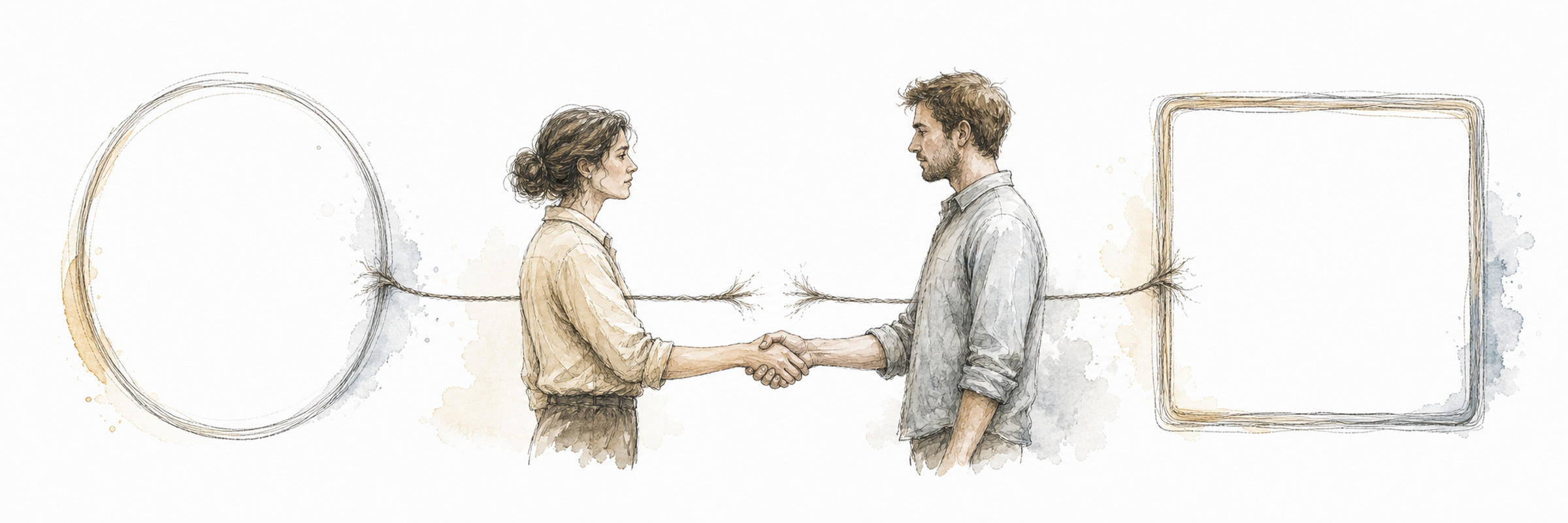
Writer J.E.B. Spredemann’s line captures how hard trust is to rebuild once it breaks. Cheating, or infidelity, has been a topic of intrigue and concern in romantic relationships throughout human history. Fidelity means different things across cultures and relationship structures, so it is worth being precise about how cheating is defined and experienced in monogamous versus ethically non-monogamous (ENM) relationships. This chapter compares the two: what counts as betrayal in each, why people cheat, and what the fallout looks like for everyone involved.
Defining Cheating in Monogamous and Ethically Non-Monogamous Relationships
Monogamous Relationships:
In monogamous relationships, cheating is typically delineated as engaging in a romantic or sexual interaction with someone other than one’s committed partner without their knowledge or consent [326]. This violation of trust and exclusivity often results in feelings of betrayal, hurt, and confusion for the deceived partner.
Ethically Non-Monogamous Relationships:
On the other hand, ethically non-monogamous relationships, encompassing polyamory, open relationships, and swinging, involve multiple romantic or sexual partners with the knowledge and consent of all parties involved [209]. In these relationships, cheating is not defined by engaging with multiple partners but rather by violating the agreed-upon agreements and communication guidelines [327].
Factors Contributing to Cheating in Monogamous and ENM Relationships
Monogamous Relationships:
Several elements may prompt cheating in monogamous relationships, such as dissatisfaction with the current relationship, unmet emotional or sexual needs, desire for novelty or excitement, and individual personality traits [326]. Research shows that individuals more prone to infidelity often display higher levels of narcissism, less empathy, and a greater propensity for risk-taking [328].
Ethically Non-Monogamous Relationships:
In contrast, in ENM relationships, cheating may occur when individuals struggle to adhere to the established agreements, experience jealousy or insecurity, or fail to communicate effectively about their desires and expectations [209]. Some studies suggest that individuals in ENM relationships may demonstrate a higher propensity for emotional regulation and communication skills, reducing the likelihood of cheating [329].
Impact of Cheating on Partners in Monogamous and ENM Relationships
Monogamous Relationships:
Cheating in monogamous relationships leads to significant emotional distress for both partners, loss of trust, and potential relationship dissolution [326]. For the deceived partner, feelings of betrayal, anger, and low self-esteem may result, while the cheating partner may experience guilt, regret, and fear of being discovered [330].
Ethically Non-Monogamous Relationships:
Although cheating in ENM relationships may not involve the same level of betrayal as in monogamous relationships, it still leads to emotional distress and the potential breakdown of trust [209]. Both partners may experience insecurity, jealousy, and confusion, particularly if the cheating partner has violated previously agreed-upon boundaries and agreements [327].
The Same Wound Everywhere
The settings differ, but the wound is the same: an agreement was broken, and someone who trusted got hurt. Whatever the structure, honesty, open communication, and respect for the agreed-upon boundaries decide whether trust survives. That holds in a traditional marriage, and it holds just as firmly in an ethically non-monogamous one.