Chapter Twenty-five: From Heartstrings to Head Games, When Old Wounds Enter New Love
“The pain of the mind is worse than the pain of the body.”
Publilius Syrus
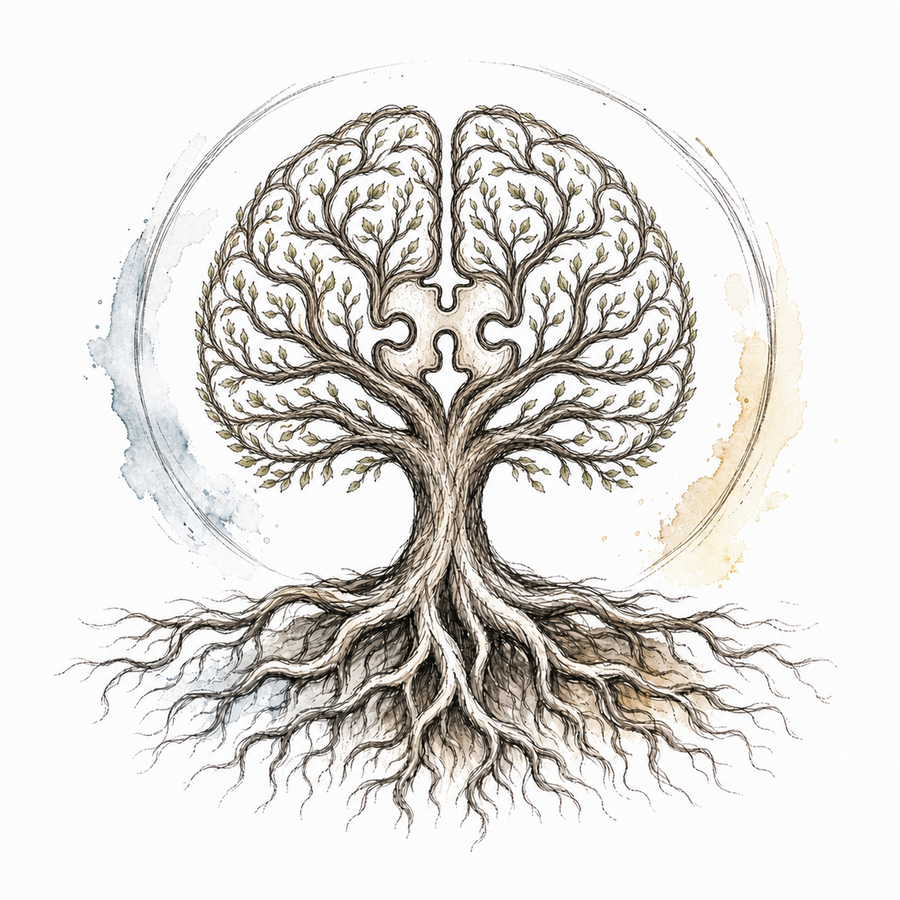
Latin writer Publilius Syrus knew that pain in the mind can reorder a person’s whole world. Trauma can change the way a person reads love, conflict, distance, tone, and safety. What feels like intuition in a relationship is sometimes wisdom. Sometimes it is fear wearing the clothes of wisdom. This chapter is about learning the difference.
How Trauma Shapes Intuition
Past trauma can train the mind and body to react fast. That response is not irrational in itself. It often began as survival [361,362]. The problem is that a response built for danger in the past can get activated in the present even when the current relationship is not actually repeating the old harm.
The brain is trying to protect us. But protection based on old injury can distort what we see. It can make a late text feel like betrayal, a raised voice feel like impending abuse, or emotional distance feel like abandonment before enough real evidence is there.
The Amygdala, Stress, and Trauma Responses
Trauma leaves strong emotional imprints. Research on childhood maltreatment and trauma has shown that brain systems involved in fear and threat detection can become sensitized after repeated harm [362]. The amygdala plays a major role here. It helps tag danger and prepare the body to respond.
That fear system is why some people feel a reaction before they can explain it. The body reads the moment first. The mind catches up later.
Stress hormones matter too. McEwen’s work helps explain why stress can leave people feeling keyed up, flooded, or emotionally delayed even after the triggering moment has passed [364]. That stress response is one reason anger or panic sometimes shows up hours later, after the nervous system finally comes down enough to feel what happened [363,364].
The Role of the Prefrontal Cortex
The prefrontal cortex helps with perspective, reasoning, and impulse control. When that part of the mind is online, it can slow the fear response and help us judge the present more accurately. When stress is high, sleep is poor, or we are already dysregulated, that moderating system often works less effectively.
So one useful way to think about trauma in relationships is this:
- the amygdala asks, “Am I in danger?”
- the prefrontal cortex asks, “What is actually happening here?”
Healthy discernment needs both.
Doing the Math
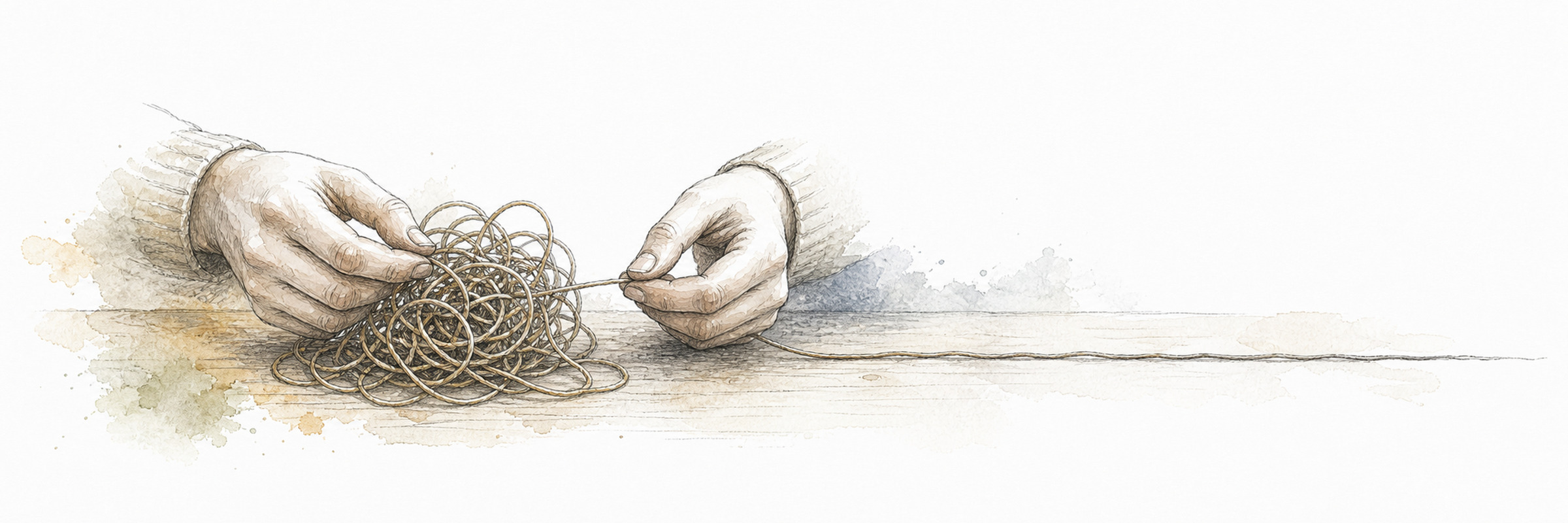
One of the most useful practices in trauma-affected relationships is what the earlier version of this chapter called “doing the math.” The phrase works because it reminds us to count present facts instead of reacting only from old pain.
Doing the math means pausing long enough to ask:
- What is happening right now?
- What pattern has this person actually shown me?
- Is this reaction coming from present evidence, past injury, or both?
- What would be fair to conclude if I were not already flooded?
The practice does not mean ignoring intuition. It means checking intuition against reality.
Everyday Examples of Doing the Math
Here are a few ordinary ways trauma can distort relationship perception:
Trustworthiness
If you were cheated on before, a delayed reply or a late arrival may hit your nervous system like proof of betrayal. Doing the math means asking whether your current partner has actually shown dishonesty or whether your body is reacting to an older wound.
Emotional Availability
If emotional neglect shaped you early, vulnerability may feel dangerous. Doing the math means asking whether this partner has responded to openness with care in the past or whether you are expecting them to punish you for needs someone else ignored.
Criticism and Conflict
If past criticism was cruel or abusive, even gentle feedback can feel like an attack. Doing the math means asking whether the present comment is humiliating or whether it is an imperfect but sincere attempt to address a problem.
Tone, Anger, and Triggers
If a certain tone, posture, or burst of temper once preceded abuse, your system may brace immediately. Doing the math means asking whether the present person has actually been dangerous, or whether the trigger is real while the threat is not.
Ex-Partners and Old Wounds
If a partner is talking to an ex, the important questions are not only emotional. They are also practical. Is the contact transparent? Does it violate agreements? Is it occasional and ordinary, or secretive and emotionally loaded?
Why Friends and Support Networks Matter
Our social circle can either calm us or inflame us. Friends who understand trauma can help us ground ourselves and think clearly. Friends who reflexively mirror our fear can sometimes push us deeper into reactive decisions.
Support still matters deeply. People heal better in relationships where they feel understood, respected, and safe. But support works best when it helps us think more clearly instead of simply feeling more certain in our fear.
Trauma Can Push in Opposite Directions
Trauma does not always make people hyper-suspicious. Sometimes it does the opposite. Gaslighting and psychological abuse can train a person to distrust their own perception so thoroughly that they ignore real danger signs [149].
That split pattern is one reason trauma work is so difficult. Some people end up over-reading danger. Others end up under-reading it. Both patterns can destroy good relationships or prolong destructive ones [365,366].
Healing the Way We Relate
Healing starts with recognizing trauma instead of letting it run unnamed in the background. It grows through self-awareness, professional help, trustworthy relationships, and repeated practice in slowing the gap between trigger and reaction [367].
Helpful steps often include:
- learning your triggers
- naming what your body is doing
- delaying major conclusions until you are calmer
- seeking trauma-informed therapy when the pattern is strong
- building relationships with people who are consistent enough to help re-teach safety
Trust is part of this too. Forgiveness can matter too, especially self-forgiveness. Neither one should be rushed or faked. The point is not to pretend the past did not happen. The point is to stop letting the past make every decision in the present.
Judge Love by What Is True Now
Trauma can pull relationships into two different errors. It can make us run from love that is safe, or cling to love that is dangerous. That double risk is why healing requires both heart and mind.
Feelings matter. Intuition matters. But when trauma is involved, both need help from evidence, reflection, and time.
Doing the math is not cold. It is one way of being fair to yourself and to the person in front of you. It gives love a chance to be judged by what is true now, not only by what hurt you before.
Social Media and Jealousy
If betrayal once began with secret messages or online flirtation, innocent or ambiguous online behavior can trigger panic. Doing the math means looking at the whole pattern: