Chapter Twenty-seven: Trust Restored, Rebuilding Bonds After Betrayal
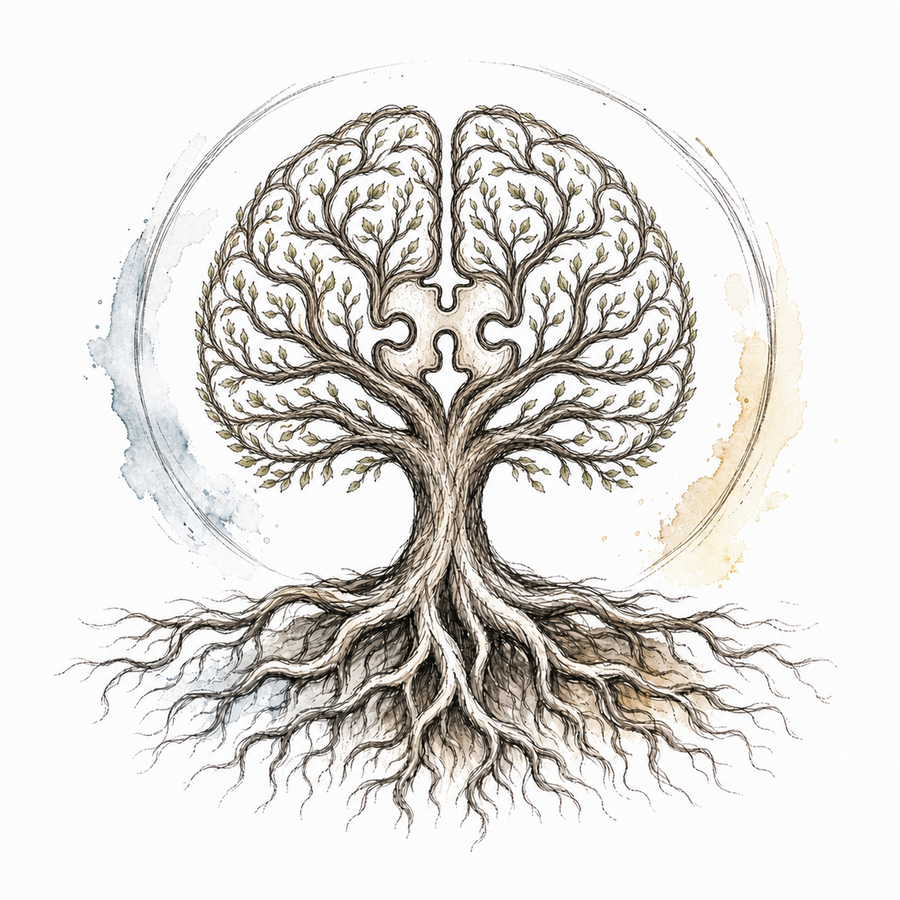
“The good life is a process, not a state of being. It is a direction, not a destination”.
Carl Rogers
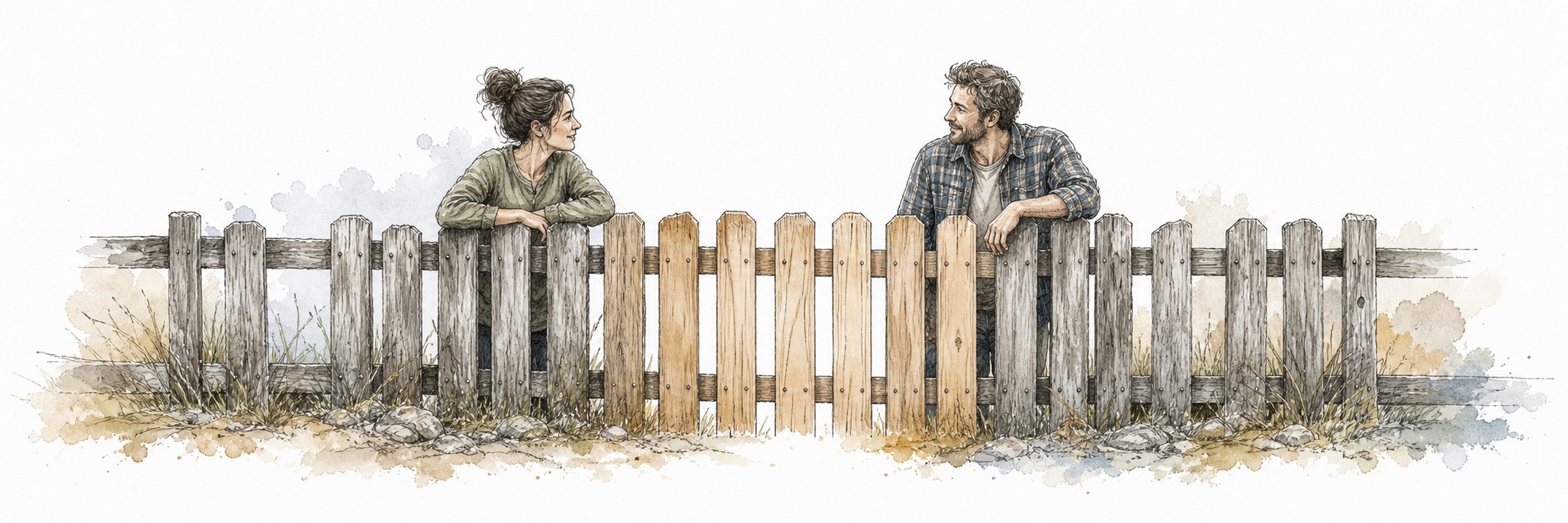
Psychologist Carl Rogers understood that a healthy life is shaped over time, not settled in one moment [368]. Betrayal can make that hard to believe. Once trust is broken, the injured person often stops living in the present and starts scanning for the next wound. That response is not weakness. It is the mind and body trying to protect themselves after being hurt. Still, betrayal does not have to become the final chapter in every relationship. Some trust can be rebuilt. Some cannot. The work is learning how to tell the difference without becoming naive or permanently closed.
The Aftermath of Betrayal
Betrayal is more than a broken agreement. It can fracture a person’s sense of safety. After betrayal, even ordinary moments can feel loaded. A delayed text, a vague explanation, or a shift in tone may suddenly feel threatening.
Simon Baron-Cohen’s work reminds us that betrayal grows out of human psychology, not out of some supernatural category of evil [376]. That human origin matters because what is human can sometimes be understood, confronted, and changed. It does not mean every betrayer deserves renewed access. It means betrayal is serious, but it is not always final proof that growth is impossible.
Guidelines for Rebuilding Trust
Trust rarely comes back through promises alone. It returns through repeated evidence. A simple analogy helps here. Trust is a lot like healing a badly sprained ankle. You do not test it by sprinting on day one. You watch what it can bear, how it responds, and whether it keeps getting stronger over time.
Words and actions have to line up if trust is going to rebuild [377]. When someone says the right thing but keeps acting in the old way, trust does not deepen. It learns to stay suspicious.
Empathy matters too [378]. Real empathy is more than sounding sorry. It is the ability to understand the pain caused, stay present with it, and respond without defensiveness. A person who keeps centering their own discomfort instead of the wound they created is usually giving useful data.
Honesty also matters, and not in the thin sense of admitting only what has already been exposed. DePaulo and colleagues help show why honesty is one of the strongest cues people use when deciding whether someone is trustworthy [379]. Honesty means telling the truth before pressure forces it out. It means dropping the half-truths, evasions, and convenient gaps.
Active listening is another part of rebuilding trust [368,378]. Rogers’s work is useful here because he understood that listening is not waiting for your turn. It is trying to understand another person’s inner world well enough to respond to what is actually being said. Without that kind of listening, apologies often stay shallow.
Shared values matter as well [118]. If two people define honesty, loyalty, sex, money, or commitment in very different ways, trust will keep wobbling. Trust grows faster when the people involved are moving toward the same moral center.
The Balance Between Trust and Caution
Caution after betrayal is natural. In fact, some caution is wise. The danger comes when caution hardens into a permanent wall. Then self-protection stops being a guardrail and starts becoming a prison.
Research on coping helps here because coping habits are often learned and can be adjusted over time [380]. A person does not have to stay forever trapped in either extreme. You do not have to trust recklessly. You also do not have to live as if every future relationship is guilty before it begins.
Tangney, Stuewig, and Mashek also help point to something important about moral behavior [381]. Other people’s actions often reflect their own character struggles, shame, blindness, and lack of maturity. The fact that another person’s behavior has roots does not excuse harm. It does help remind us that another person’s betrayal is not clean proof that we were unworthy of love or loyalty.
Lancer’s work on codependency is useful here too [136]. Many people who struggle to trust are not irrational. They are trying to survive with habits they learned in painful environments. Those habits may have protected them once. They do not always have to run the rest of their lives.
Time, Truth, and Evidence
Trust after betrayal is not rebuilt by force, pressure, or inspiring language. It is rebuilt, when it is rebuilt at all, through time, truth, and repeated evidence.
You do not have to forget what happened in order to heal. You do not have to harden forever in order to stay safe. The wiser path is usually slower than both of those extremes. It asks for open eyes, steady boundaries, and the humility to let reality, not longing, tell you what is possible now.