Chapter One: Facts over Feelings, Don’t Let Your Emotions Play with Your Intelligence

“Facts do not cease to exist because they are ignored.”
Aldous Huxley
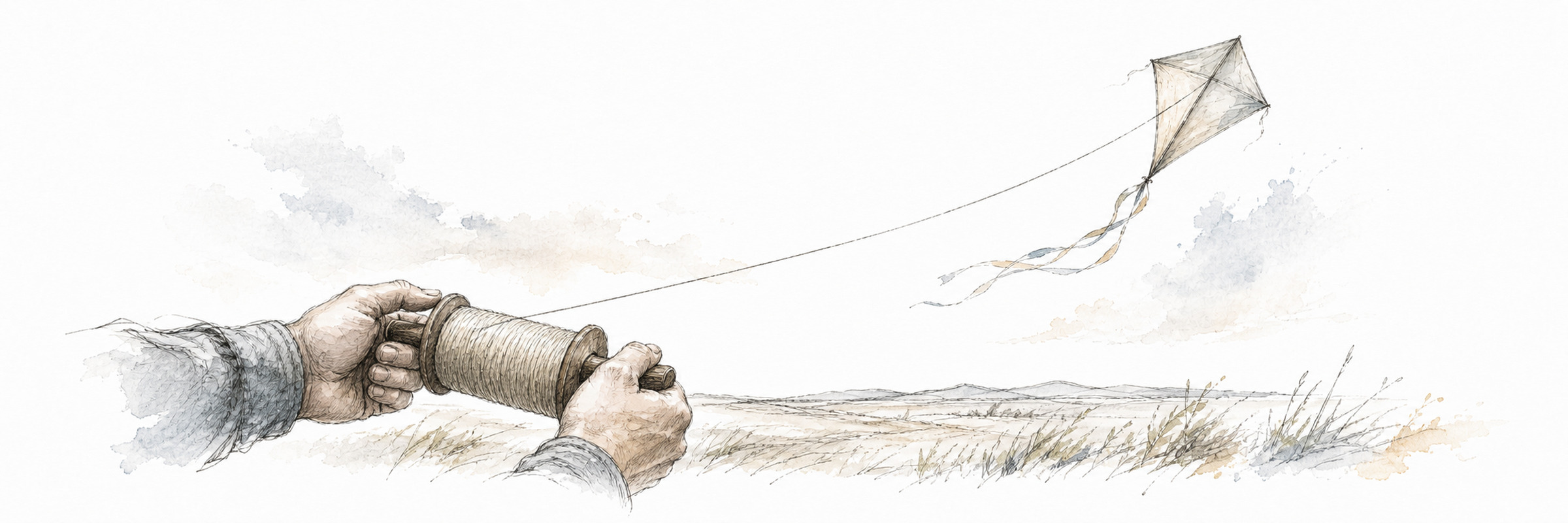
Novelist and essayist Aldous Huxley reminds us that facts do not disappear when people ignore them. That reminder matters because emotions are powerful, but they are not always accurate guides to reality. They can reveal something true about our inner world while still distorting how we judge the outer one.
A Balance of Emotion and Intellect
The phrase facts over feelings can be misunderstood if we hear it too harshly. It does not mean emotions are fake, weak, or worthless. It means emotions should not be given total authority over judgment. Facts help us see what is real. Feelings help us understand how that reality is affecting us.
A simple way to think about it is this: facts are the map, and feelings are the weather. You need the map to know where you are going. You need the weather report to know what the trip feels like and what extra care might be needed. Ignoring either one can get you in trouble.
Healthy judgment usually means letting facts lead while letting feelings speak. Emotions can offer insight, warning, and meaning. They just should not sit alone in the judge’s chair.
Contextual Dominance: Emotions Over Facts
Even so, there are parts of life where emotions deserve more room. Human beings are not machines. We love, grieve, create, fear, trust, and hope. In those moments, feelings are not enemies of wisdom. They are part of wisdom.
Personal Relationships
In personal relationships, facts matter, but they do not tell the whole story. Trust, warmth, affection, and emotional safety are not side issues. They are part of the relationship itself.
Psychologist Carl Rogers argued that real relationships are built on empathy, understanding, and emotional presence [368]. Rogers’s point means a relationship cannot be reduced to a spreadsheet of strengths and weaknesses. Behavior patterns still matter. Compatibility still matters. But people do not stay close because a chart told them to. They stay close because something meaningful is alive between them.
For example, a friend may be making poor decisions. You may see the pattern clearly. Even so, your care for that person can move you to stay present, offer support, and keep the door open. Staying present does not mean ignoring reality. It means love can motivate action in a way facts alone cannot.
Creativity and Artistic Expression
Creativity is another place where feelings often lead. Art is not always trying to report facts. It is often trying to express meaning, pain, beauty, longing, or wonder.
Artist Pablo Picasso said that art washes the dust of everyday life from the soul [420]. That idea helps explain why creativity cannot be measured only by factual accuracy. A painting, song, poem, or story may be deeply true without being literal.
An artist may choose color, shape, tone, or rhythm not because it copies reality exactly, but because it communicates the emotional truth of the moment. In that setting, feelings are not muddying intelligence. They are part of the craft.
Mental Health
Mental health is another area where feelings deserve serious attention. Persistent sadness, dread, numbness, or panic may be emotional experiences, but they are also signals. They can point to strain, burnout, trauma, depression, anxiety, or some other problem that needs care.
The World Health Organization describes mental health as a state of well-being that allows a person to cope with life, work fruitfully, and contribute to the community [421]. That kind of well-being requires emotional awareness. If a person keeps saying, “I should be fine, so my feelings do not count,” they may delay help they genuinely need.
Facts still matter here. Evidence-based treatment matters. Diagnosis matters. Still, people usually seek help because they feel that something is wrong. Listening to those feelings can be the first honest step toward healing.
Personal Loss and Grief
Grief is one of the clearest examples of feelings taking the lead. When someone dies, the facts may be plain. Death is real. Death is natural. Death comes for every family eventually. None of those facts make the loss feel small.
Psychiatrist Elisabeth Kübler-Ross wrote about grief as a deeply emotional process that cannot simply be argued away [422]. A grieving person usually does not need a lecture on reality. They need room to feel what is true in the heart and body. In that season, facts do not vanish. They just are not the thing most in need of attention.
Emotional Bonds and Relationships
Emotional bonds also explain why outsiders often misread the choices people make in relationships. Some decisions look irrational from a distance because the outsider sees facts without feeling the bond.
For example, a person may support a friend’s risky dream because trust, loyalty, and belief are part of the relationship. That choice may not look efficient. Still, love and faithfulness often move people in ways cold analysis never could. The better approach is usually not feelings without facts or facts without feeling. It is seeing the whole picture.
Moral and Ethical Judgments
Moral life also depends on feeling. Reason matters, but people rarely act morally from logic alone. Compassion, grief, righteous anger, and empathy all help us recognize what is at stake.
Philosopher Martha Nussbaum argues that emotions are tied to value and ethical judgment because they reveal what we care about [423]. A person moved by empathy may choose generosity, sacrifice, or courage even when self-interest points the other way.
Feelings can therefore sharpen moral vision when they are healthy, honest, and connected to reality. They become dangerous when they replace thought altogether.
Anchored, Not Numb
Facts should usually anchor our judgment. Feelings should usually deepen our understanding. When the two work together, people tend to think more clearly and live more honestly.
So yes, facts matter. But feelings matter too. The goal is not to kill emotion in the name of reason. The goal is to keep emotion from driving blind while still hearing what it has to say.