Chapter Six: Consider the Nuances, Context, Apology Language, Culture, Consistency, and Intent, Before Judging One’s Character Based on Their Apology

“Apology is a lovely perfume; it can transform the clumsiest moment into a gracious gift.”
Margaret Lee Runbeck
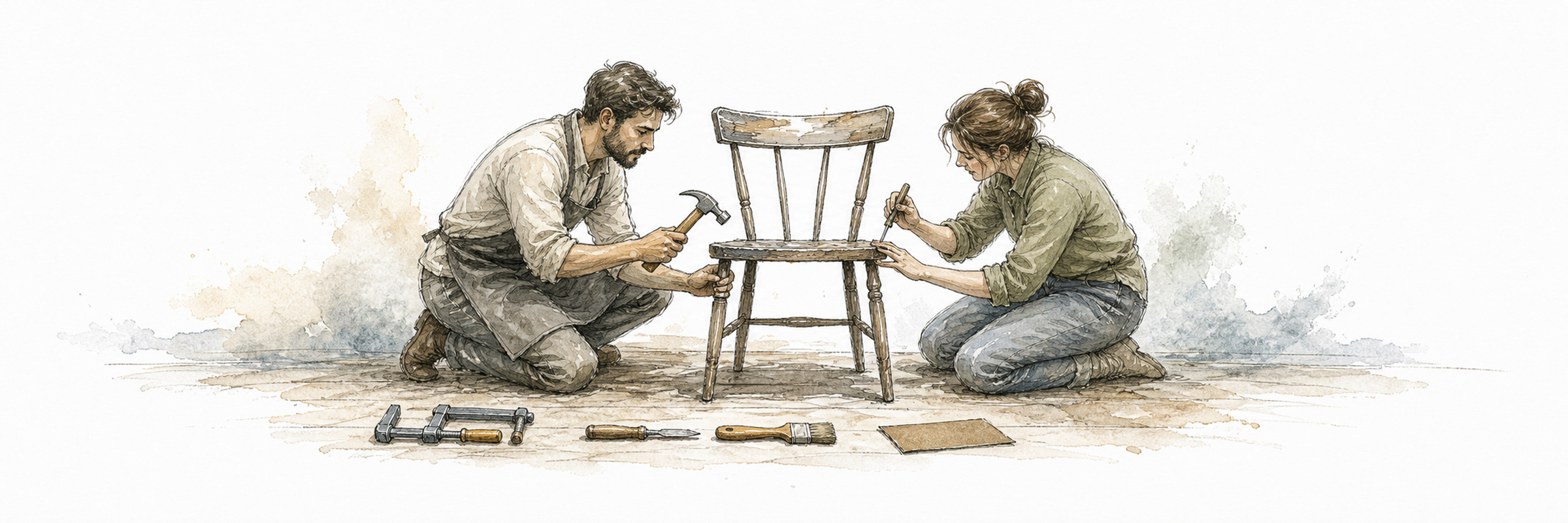
Writer Margaret Lee Runbeck captured something important about apology. A good apology can soften a hard moment. Still, apologies are easy to misread. Some people apologize quickly but change nothing. Some people struggle to apologize even when they care. Some offer repair through words. Others reach for action first. That uncertainty is why one apology, or the lack of one, should not be treated like a full character report. If we want to judge an apology wisely, we have to look at context, pattern, culture, intent, and what happens after the words are spoken.
Understanding Apologies: A Multi-Faceted Approach
Context Matters
Context often changes the meaning of an apology. A delayed apology can sometimes signal avoidance or pride. It can also reflect shock, confusion, shame, or the fact that the person did not yet understand the harm they caused. A missing apology can be useful data, but it is not always enough data by itself.
The need for context does not mean all delays deserve the benefit of the doubt. It means a wiser judgment asks a few questions first. What happened? What did the person understand at the time? Did they become clearer and more accountable later? Or did they keep minimizing, excusing, and dodging?
Apology Language: Beyond Words
People do not all apologize in the same way. Gary Chapman and Jennifer Thomas describe this through the idea of apology languages [455]. An apology language is the form of repair a person tends to give or receive most naturally.
Chapman and Thomas describe five common apology languages [455]:
- Expressing regret: saying clearly, “I am sorry,” and naming the hurt.
- Accepting responsibility: admitting, “I was wrong,” without hiding behind excuse or technicality.
- Making restitution: asking how to repair the damage or offering some concrete form of amends.
- Genuinely repenting: showing a real intention to change behavior instead of repeating the same wound.
- Requesting forgiveness: directly asking the other person to consider reconciliation.
If we judge every apology by only one preferred format, we can miss sincere efforts that come through a different channel.
A simple example helps. One person may need to hear, “I was wrong, and I am sorry.” Another may not trust words until they see changed behavior over time. Both responses can make sense.
How to Identify Apology Languages
One practical way to identify a person’s apology language is to pay attention to what they reach for first when repair matters. Do they use direct words? Do they quickly admit fault? Do they try to fix the damage? Do they focus on changed behavior? Do they ask for forgiveness?
Another clue is frustration. People often reveal their apology language most clearly through what leaves them unsatisfied. If someone says, “I do not need another speech. I need you to stop doing this,” they may care most about genuine repentance or restitution. If someone says, “I need you to actually say you were wrong,” they may care most about responsibility or regret.
A simple analogy helps here. Think of apology languages like ways people receive proof of repair. One person trusts words. Another trusts action. Another trusts consistency. If you keep handing a person the form of repair they trust least, both people may leave the conversation feeling unheard.
Culture and Upbringing: Influencing Apology
Culture and upbringing also shape how people apologize. In some homes and cultures, apology is taught as strength, humility, and repair. In others, apologizing may be treated as weakness, surrender, or loss of face [456]. That background does not erase responsibility. It does help explain why some people reach for apology more naturally than others.
The influence of culture and upbringing is one reason quick moral judgment can miss the truth. A person may be clumsy, delayed, or emotionally awkward without being insincere. Another may sound polished and still mean almost none of it.
Consistency: The True Indicator of Character
Character is usually seen best through patterns, not isolated moments. That principle matters here too. One apology by itself rarely tells the whole story. Consistency over time tells far more [250].
A person who regularly owns mistakes, expresses regret, and tries to repair harm is showing something important. That pattern points toward responsibility, empathy, and moral seriousness [85]. On the other hand, someone who repeatedly avoids apology, offers hollow words, or apologizes only when cornered is showing a different pattern [457].
The key question is not only, “Did they apologize?” The better question is, “What kind of pattern follows this moment?”
Intent: The Soul of an Apology
Intent matters because the same words can come from very different motives [458]. Some apologies are offered to repair a relationship. Some are offered to protect an image, calm a conflict, or escape consequences [459].
A self-protective apology often sounds efficient but thin. It may rush the injured person, center the speaker’s discomfort, or try to end the conversation before repair has really begun. A sincere apology usually carries more weight. It acknowledges the wrongdoing, names the harm, and shows some willingness to bear the discomfort of accountability.
Decoding the Intent of an Apology
No one can read intent with perfect certainty, but there are signs worth paying attention to. Nicholas Tavuchis and later apology research point to several common elements in stronger apologies: acknowledgment of wrongdoing, clear remorse, explanation without excuse, an offer of amends, and a commitment not to repeat the harm [460].
It also helps to watch for what happens after the apology. Does behavior change? Does accountability deepen? Does the person stay engaged when repair is inconvenient? Words matter, but behavior gives the words a body.
Timing can offer useful data too. An immediate apology may reflect quick recognition of harm. A delayed apology may still be sincere, especially if it grows out of real reflection. But an apology that appears only after exposure, pressure, or public consequence can sometimes say more about image management than remorse [460].
Understanding Apology Language
Apology language can also keep people from talking past each other. Some people hear “I’m sorry” and feel seen. Others need to hear, “I was wrong.” Others need repair, changed behavior, or both.
That difference does not mean anything goes. Real apology still needs honesty and responsibility. It does mean two people can both care about repair while still feeling unsatisfied if they speak different apology languages [455].
How Apology Languages Interact
This interaction matters a lot in close relationships. One person may believe they have apologized fully because they expressed regret with real emotion. The other person may still feel untouched because what they needed was restitution, changed behavior, or a clearer acceptance of responsibility.
That mismatch can create a painful cycle. The apologizing person thinks, “I already apologized.” The hurt person thinks, “You still do not get it.” Both may start feeling unfairly judged, even when the real problem is that the repair keeps arriving in the wrong language.
Here are a few common mismatches:
- A person offers warm words of regret, but the other person needs changed behavior before trust can return.
- A person starts fixing the practical damage immediately, but the other person still needs to hear direct accountability.
- A person asks for forgiveness quickly, but the other person feels rushed because remorse and repair have not been shown clearly enough yet.
Understanding these interactions does not excuse weak apologies. It does help people diagnose where the breakdown actually is. Sometimes the apology is hollow. Sometimes the apology is sincere but incomplete. Sometimes the apology is sincere and reasonably complete, but the people involved are still missing each other’s strongest repair signals.
The healthiest path is usually to make repair more explicit. Say what you are sorry for. State what was wrong. Ask what would help repair. Show change over time. If forgiveness comes, let it come honestly rather than trying to demand it on a schedule.
Judging Apologies Fairly
An apology should never be judged by wording alone. Context matters. Culture matters. Pattern matters. Intent matters. So does the shape of the repair that follows.
If we learn to look at apologies with more patience and more discernment, we become less likely to excuse empty words and less likely to condemn sincere but imperfect attempts at repair. That kind of judgment is slower, but it is usually wiser.