Chapter Thirteen: Sleep, the Quiet Work That Keeps Us Whole
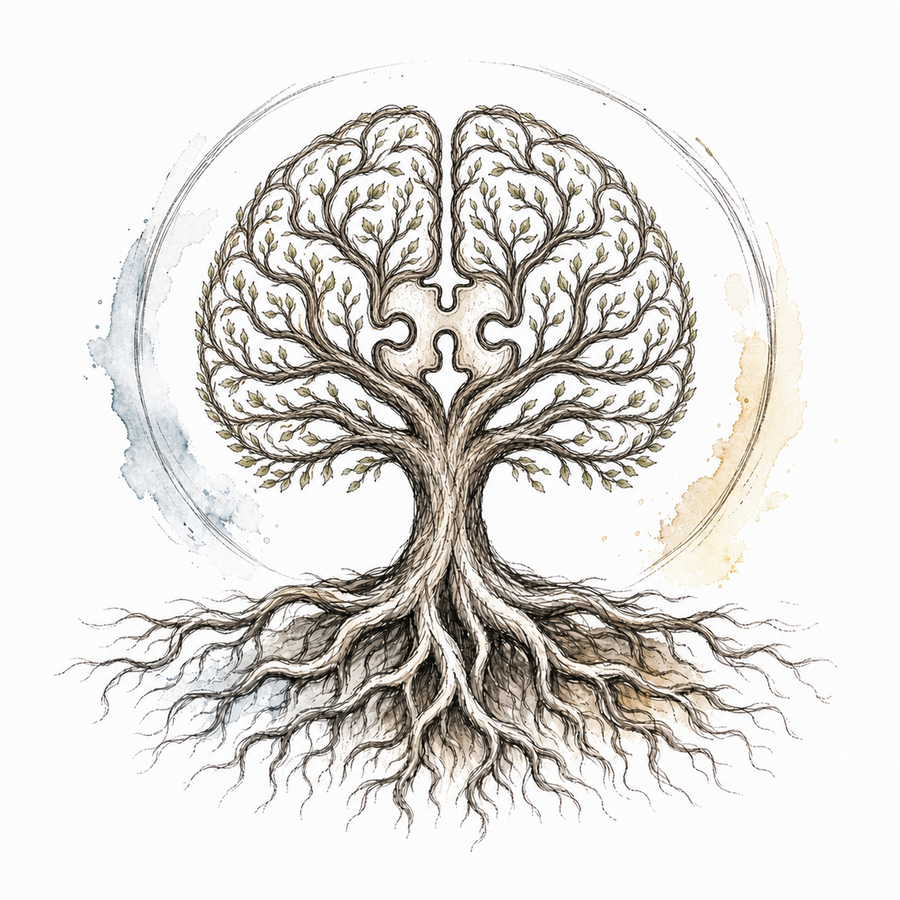
“Sleep is the golden chain that ties health and our bodies together.”
Thomas Dekker
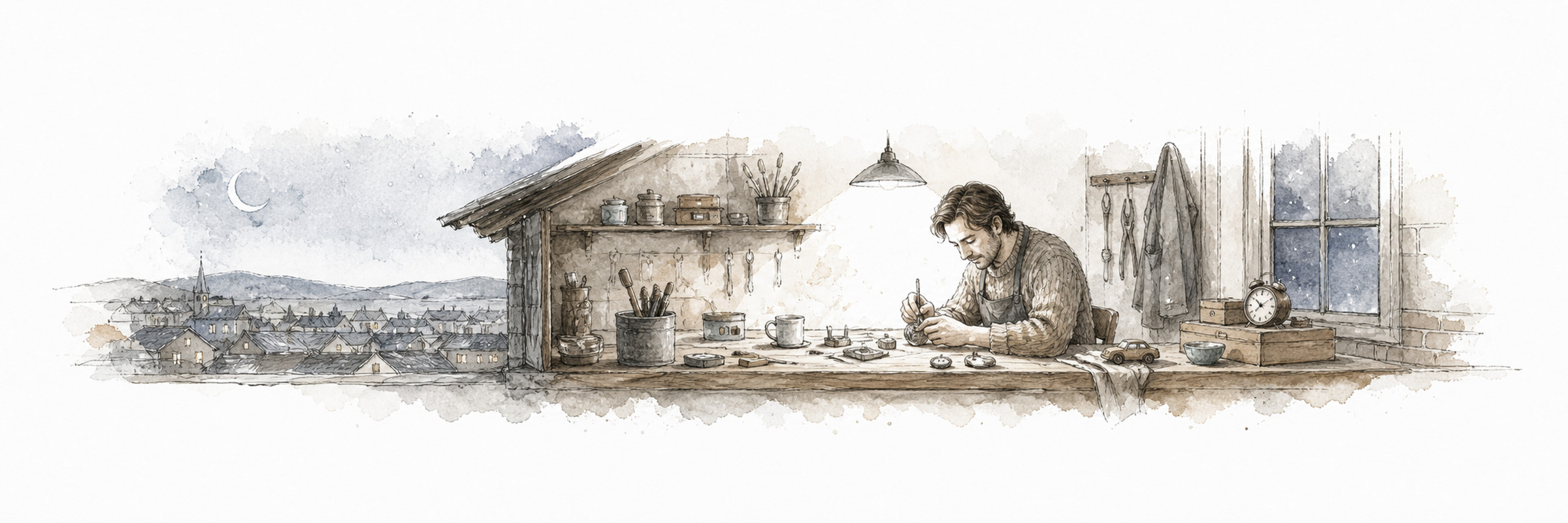
English playwright Thomas Dekker called sleep a golden chain for a reason. Sleep is easy to underestimate because it looks so quiet. From the outside, it can seem like little more than downtime. But sleep is not dead space in a day. It is active repair. It is one of the ways the body and mind keep faith with each other. When sleep goes wrong, a surprising number of other things begin to go wrong with it.
The Forgotten Frontier of Sleep
For a long time, sleep was treated almost like an interruption to real life. Now we know better. Sleep helps support memory, immune function, emotional regulation, metabolism, and general resilience. It does not steal time from life. It helps make a life workable.
Beneath the Veil of Sleep
While you sleep, the brain does not simply power down. It keeps working. It helps sort memory, process emotion, and prepare you for the next day. The easiest way to picture it is as a night-shift crew in a closed store. While the lights are off, someone still has to clean, restock, repair, and get everything ready to open again. When sleep gets cut short, that crew does not finish the job. That unfinished work is one reason poor sleep makes it so much harder to think clearly the next day.
Sleep and Physical Health
Sleep shapes physical health too. It touches immunity, metabolism, appetite, cardiovascular strain, and recovery. When poor sleep becomes chronic, the cost tends to spread. What starts as tiredness can become a much broader tax on the body.
The Enigma of Dreaming
Dreams add another layer. They are still mysterious in many ways, but they seem tied to the mind’s ongoing work of emotional processing, memory, and imagination. Dreams do not always arrive with a tidy message. Still, they remind us that sleep is not emptiness. It is activity of another kind.
Why Sleep Matters
Many people still treat sleep like a luxury. They trade it away for work, scrolling, stimulation, worry, or the fantasy of getting just a little more done. But borrowing from sleep usually means borrowing against tomorrow. The bill still comes due. Less patience. Worse judgment. More emotional volatility. Less physical resilience.
Restoring Our Sleep
Better sleep usually begins with ordinary things done consistently: a regular sleep schedule, a calmer sleep environment, movement during the day, less stimulation late at night, and the humility to get help when poor sleep becomes chronic. There is nothing glamorous about those habits. They still matter.
Protect Your Sleep
Sleep is not weakness. It is maintenance. It is one of the most ordinary and powerful forms of care available to us. If you want a steadier mind, a healthier body, and a better chance of meeting life well, protect your sleep like something valuable. Because it is.