Chapter Fifteen: Words and Shadows, The Dance of Accountability in Free Speech

“With great power there must also come great responsibility.”
Noam Chomsky
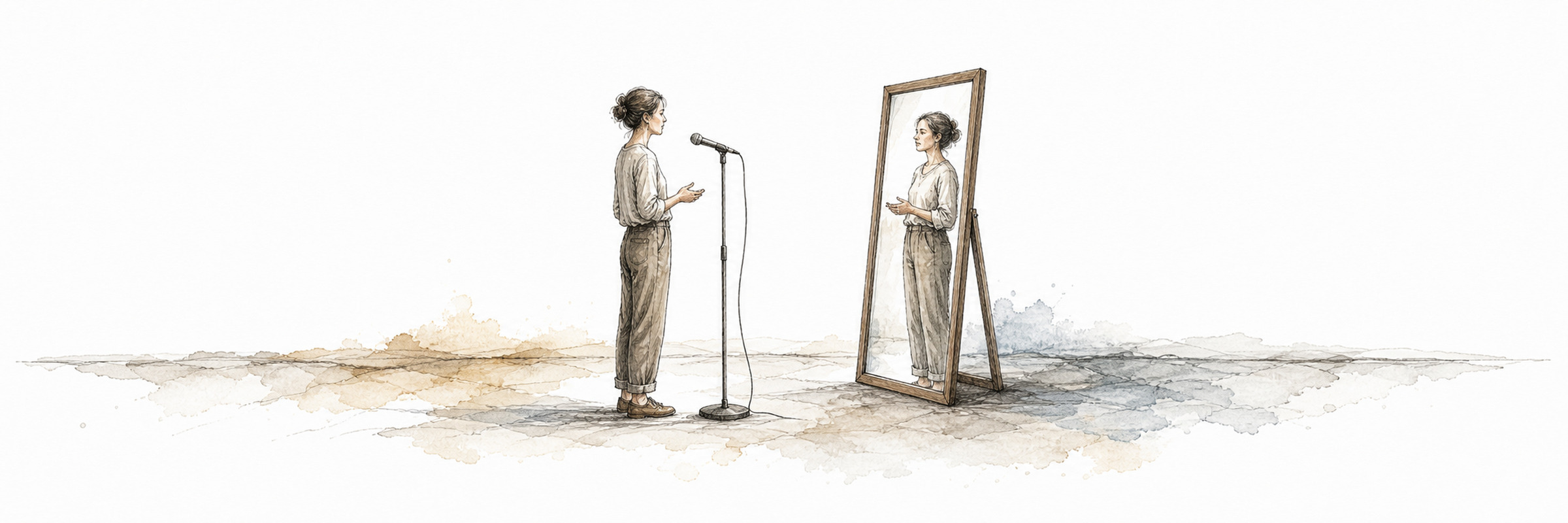
Linguist and political writer Noam Chomsky is a fitting voice for a chapter like this because speech and power rarely stay separate for long. Free speech matters because truth cannot survive very long where people are not allowed to say what they see, question what they are told, or challenge what is false. But the right to speak does not erase the responsibility to speak honestly, carefully, and with some regard for the people our words can affect. This chapter is about holding both things together.
The Power and Cost of Free Speech
Words travel farther than most people think. They shape trust, memory, conflict, law, policy, and public imagination. Noam Chomsky’s line about power and responsibility fits here because speech can heal, clarify, mislead, provoke, or destroy depending on how it is used. Once words are out in the world, we do not get to control everywhere they land.
Accountability in Free Speech
The American Psychological Association defines accountability in terms of accepting responsibility for one’s actions and their effects. Applied to speech, accountability means recognizing that what we say can shape another person’s thinking, safety, dignity, or willingness to trust. Accountability does not mean people get to demand silence whenever they dislike what they hear. It means speakers should be honest enough to own the consequences of how they speak.
Responsibility in Free Speech
Responsibility asks a slightly different question. Accountability asks, “What did my words do?” Responsibility asks, “What should I have considered before speaking?” The Broadcasting Services Act in Australia reflects that same idea in a public-interest context. Speech is not only about whether we are allowed to say something. It is also about whether we are handling the freedom well.
Responsible speech does not mean timid speech. It means trying to be accurate, proportionate, and decent. It means learning the difference between criticism and contempt, between disagreement and dehumanization, between warning and reckless provocation.
Marrying Accountability and Responsibility
The link between the two is self-awareness plus empathy. Before speaking, ask simple questions. Is it true? Is it necessary? Am I saying it clearly? Am I aiming to address something real, or am I trying to win, wound, or perform?
Empathy matters here because listeners are not abstract targets. They are human beings. Good speech does not avoid hard truth. It just refuses to treat another person’s humanity as disposable.
The Echo of Unaccountable Speech
Most people remember a time when someone’s “honesty” felt more like carelessness or cruelty. Experiences like that are part of why accountability matters. Speech can leave bruises even when no law was broken. The goal is not to build a world where nobody is offended. The goal is to build one where truth can be spoken without people using freedom as a costume for malice.
Free Speech in an Interconnected World
Digital life raises the stakes. One careless post can spread faster than a corrected truth. Pew’s reporting on confusion around fake news captures part of the problem. Millions of people are speaking all at once, often with little friction, little context, and very little accountability.
Responsible speech is no longer only a private virtue. It is a civic one. In a democratic society, citizens need enough freedom to question institutions, criticize policy, and debate difficult issues. They also need enough discipline not to flood the commons with lies, distortion, and lazy contempt.
Historical Implications of Free Speech
History shows the cost of suppression clearly enough. Authoritarian regimes restrict speech because open criticism is dangerous to people who need control. When dissent is punished, lies harden into official truth and abuse becomes easier to hide. That pattern has appeared under communist repression, fascist control, and modern dictatorships alike.
So the argument here is not for less speech. It is for better speech and a deeper respect for what free speech is actually for. Free speech protects the possibility of correction. Without it, power can become almost impossible to challenge.
Engaging with Challenging Perspectives
The listener has work to do too. When speech challenges us, the first impulse is often defensiveness. Sometimes that instinct is appropriate. Sometimes it keeps us from hearing something we need to examine.
Curiosity is not surrender. It is a way of asking, “What exactly is being said here, and why?” That question can help separate actual harm from mere discomfort, and actual disagreement from personal insult. We do not grow by treating every offense as proof that dialogue should end.
At the same time, curiosity does not require naivete. You can challenge bad ideas firmly. You can reject demeaning speech. You can set boundaries. What matters is not losing your own standards while doing it.
Free Enough, Disciplined Enough
Free speech is a right worth protecting because without it truth becomes easier to bury. Accountability and responsibility are worth protecting because without them speech becomes easier to abuse.
The mature goal is not silence and not chaos. It is speech that is free enough to tell the truth and disciplined enough not to throw truth around like a weapon.