Chapter Sixteen: The Fabric of Our Lives, Making Sense of Cultural Appreciation
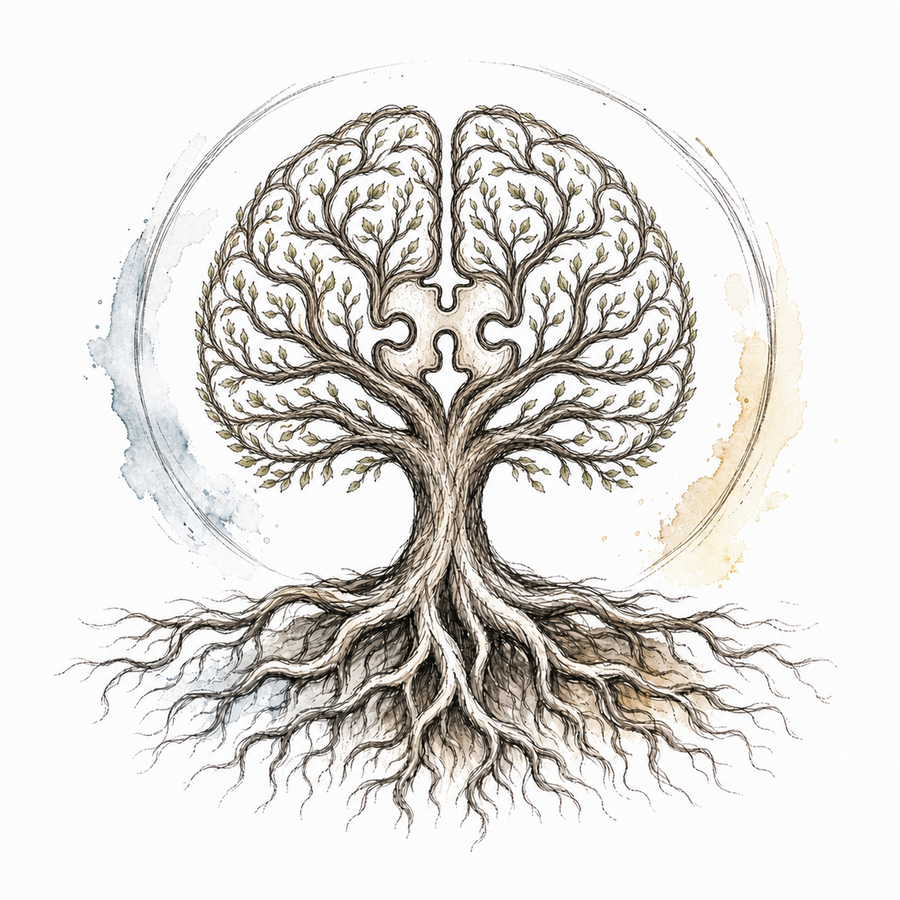
“Culture is the widening of the mind and of the spirit.”
Jawaharlal Nehru
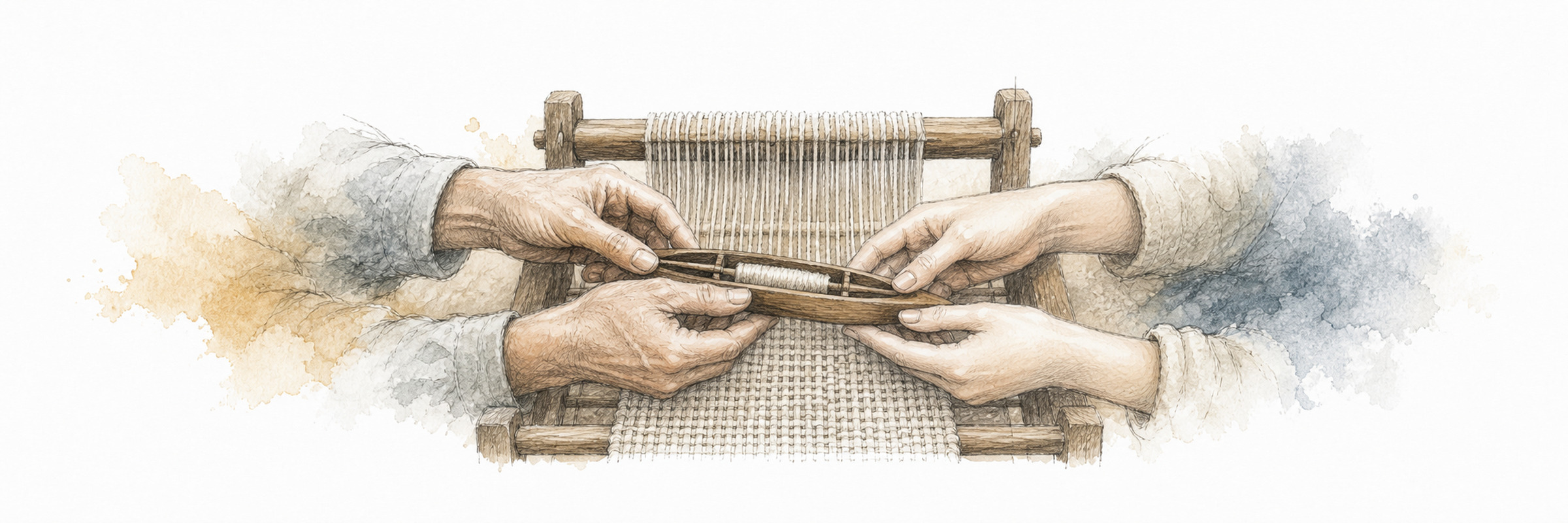
India’s first prime minister, Jawaharlal Nehru, linked culture with a widening of the mind and spirit. That idea is worth holding onto. When we learn how other people live, celebrate, grieve, worship, eat, dress, and make meaning, our own world gets bigger too.
Culture is not decoration. It is the living way a people carry history, values, memory, beauty, struggle, and belonging from one generation to the next. Learning to appreciate culture helps us become more respectful, more thoughtful, and less easy to mislead by shallow outrage.
The Nature of Culture
Culture includes language, customs, stories, music, art, humor, family patterns, rituals, and shared memory. It shapes how people see the world and how they see themselves inside it. Real cultural appreciation is not passive admiration from a distance. It is the active work of listening, learning, and showing respect.
Social media often makes this harder. It can reward fast judgment over patient understanding. Some people would rather perform outrage than do the slower work of learning context, asking honest questions, and examining their own blind spots.
Cultural Appreciation and Its Importance
Cultural appreciation helps break ignorance and soften fear. It reminds us that people who look, sound, or live differently are still fully human, with histories, losses, hopes, and dignity equal to our own. It also keeps us from shrinking the world down to our own habits and preferences.
In that sense, cultural appreciation is less like collecting souvenirs and more like being a respectful guest in someone else’s home. You do not walk in acting entitled. You pay attention. You ask. You learn what matters there before deciding you understand it.
The Dark Side of Cultural Appreciation: Cultural Appropriation
Cultural appreciation can slide into cultural appropriation when people take what is meaningful to another group and strip it of its history, context, or dignity. That usually happens when symbols, clothing, language, or rituals are treated like costumes, trends, or entertainment.
The difference matters. Appreciation tries to understand. Appropriation takes without understanding and often without respect.
Not every cross-cultural exchange is harmful. People have always learned from one another. Food, music, language, and art have always crossed borders. The problem begins when power, mockery, erasure, or carelessness enter the picture.
How to Appreciate Culture
If you want to appreciate a culture well, start with humility. Admit what you do not know. Learn from people within that culture when possible. Look for context instead of shortcuts. Ask whether your interest shows respect or simply satisfies your curiosity.
It also helps to slow down. Many mistakes happen when people want the symbol without the story, the style without the struggle, or the celebration without the people who gave it meaning.
Cultural Appreciation: A Pathway to a More Cohesive Society
We live in a connected world. Whether we like it or not, our lives overlap. Cultural appreciation makes that overlap more humane. It helps people work together, live together, and disagree without dehumanizing each other.
In that way, cultural appreciation acts a little like learning a new language. The point is not to impress people. The point is to understand them better and to reduce the distance between lives that might otherwise stay strangers.
Learning from Others, Shaping Ourselves
Learning from other cultures does not mean abandoning your own. It means letting your understanding grow. When you see beauty, wisdom, or resilience in another people, you do not lose yourself by honoring it. If anything, you gain perspective.
You may even come back to your own background with more gratitude and clearer eyes. Other cultures can teach us what we have overlooked in ourselves.
Tips for Cultural Appreciation
Approach every culture with curiosity and respect. Remember that no culture is flat or simple. Each one carries its own history, tensions, beauty, wounds, and internal differences. Look for trustworthy sources. Read books. Listen to people tell their own stories. Learn the history behind practices before repeating them. Stay mindful of the effect your actions may have on the people you claim to admire.
Listening Well
Cultural appreciation begins with respect and grows through humility. It asks us to be more thoughtful than reactive and more curious than defensive.
Every culture carries a story. If we listen well, those stories can widen our hearts, sharpen our judgment, and help us live with more dignity toward one another.