Chapter One: The Hidden Dangers of Blocking and Muting, Why Protecting Your Peace of Mind May Come at a Cost

“Ours is a culture of distancing, of excluding. If we just don’t like someone’s ideas or politics, we feel perfectly justified in dismissing the person.”
bell hooks
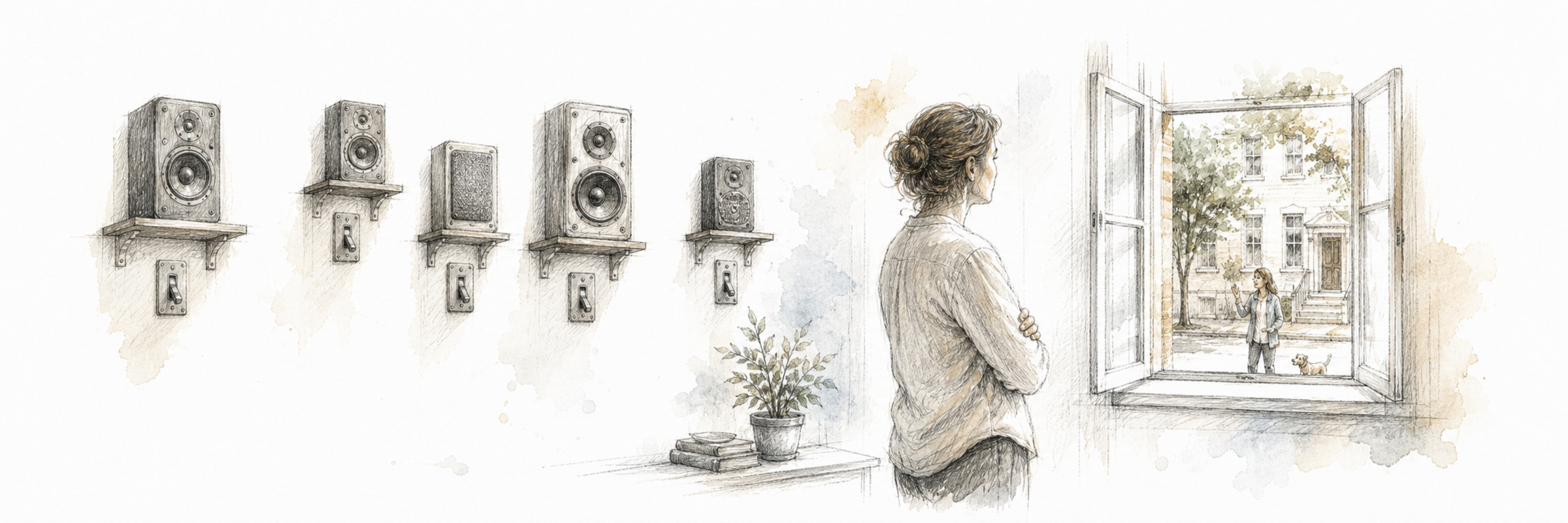
Author and social critic bell hooks warned about a culture of distancing and exclusion. That warning still matters online, where one click can silence, shield, or separate.
Blocking and muting are not always bad. Sometimes they are wise. Sometimes they are necessary. If someone is harassing you, stalking you, threatening you, or repeatedly violating your boundaries, use every safety tool available.
Still, not every block or mute is about danger. Sometimes those choices come from irritation, avoidance, pride, or the desire to never feel challenged. This chapter is about the cost of using those tools without enough thought.
The Many Dimensions of Blocking and Muting Online
Blocking or muting can look simple because the button is simple. The effects are not always simple. In some situations, the choice protects peace and safety. In others, it narrows perspective, damages trust, or leaves a deeper problem untouched.
Constructing Echo Chambers: The Detriment to Personal Growth and Intellectual Development
If we silence everyone who disagrees with us, we can slowly build an echo chamber. Those narrowed environments can distort judgment and reduce exposure to useful challenge [504,541]. Growth often needs friction. If we remove all friction, we may also remove the chance to sharpen our thinking.
Cyberbullying: An Unintended Escalation
Blocking or muting can also escalate conflict in some cases. The other person may react with more hostility, harassment, or attempts to get around the barrier [542]. That possibility does not mean you should avoid using safety tools. It means you should not confuse the tool with a full solution, especially in serious harassment cases.
Online Relationships: The Potential for Irreparable Damage
Blocking or muting without explanation can damage relationships, especially when the other person is confused rather than dangerous [543]. Sometimes the silence itself becomes the wound. Trust can erode fast when one person disappears behind a wall without a word.
Missed Opportunities: The Consequences of Disengagement
On professional platforms, a fast disengagement can also close doors we may later wish were still open [544]. Not every awkward exchange is a threat. Sometimes it is just friction, and friction is not always a reason to burn a bridge.
Moral Obligation: The Ethical Implications of Silencing Voices
There is also an ethical question here. If we mute or block voices simply because they unsettle us, especially voices speaking from marginalized experience, we may protect our comfort at the expense of understanding [545]. That caution does not mean every demand for attention must be granted. It does mean discomfort alone is not a reliable moral compass.
Legal Implications: A Question of First Amendment Rights
In some settings, blocking can even raise legal or civic concerns. For example, when public officials manage public-facing communication spaces, blocking citizens can raise questions about speech, access, and democratic participation [546]. The legal details depend on context, but the broader point is simple: the meaning of a block changes when power and public office enter the picture.
Missed Opportunities for Self-Reflection: An Obstacle to Personal Growth
Different viewpoints can expose blind spots in us [548]. If we block every voice that irritates or challenges us, we may also block opportunities for self-reflection. Not every disagreement is valuable, but some are.
Perpetuating Online Harassment: Ignoring the Root Cause
Blocking can stop one line of contact, but it does not solve the larger culture of online harassment [549]. Reporting systems, documentation, platform accountability, and broader norms around online conduct still matter. Sometimes personal safety requires blocking. Long-term health still requires stronger systems than blocking alone.
Lack of Empathy: A Potential for Further Division
Blocking can also remove the possibility of repair. In some situations, a person may need a boundary. In other situations, a conversation might have created understanding, accountability, or learning [4]. Wisdom lies in knowing the difference.
Privacy Concerns: A False Sense of Security
Blocking does not create total privacy. A person may still see public material, use alternate accounts, or continue harassment in other ways [550,551]. The distinction matters because a block can feel like a locked door when it is sometimes only a speed bump.
Impact on Mental Health: A Short-term Fix with Long-term Repercussions
Sometimes people use blocking as a quick emotional sedative. It may bring relief for a moment while leaving loneliness, anxiety, or unresolved distress untouched [552,553]. The emotional relief does not make the block wrong. It simply means a digital tool cannot do the full work of emotional healing.
Impact on Relationships: The Aftermath of Unexplained Actions
This relationship cost is worth stating plainly. Sometimes a block protects you from harm. Sometimes it functions like a digital silent treatment. When the second case is true, the block may deepen resentment instead of resolving anything [543].
Limiting Exposure to Diverse Perspectives: A Constraint on Critical Thinking
When we engage only with people who confirm what we already believe, critical thinking weakens [541,548]. Exposure to different views does not guarantee wisdom. Still, it often gives wisdom a better chance.
A Tool, Not a Reflex
Blocking and muting are tools. Sometimes they protect peace. Sometimes they protect safety. Sometimes they simply keep us from discomfort, growth, or honest conversation.
The wiser question is not, “Should I ever block?” The wiser question is, “Why am I doing it, and what problem does it actually solve?” If the issue is danger, use the tool. If the issue is irritation, pride, or avoidance, it may be worth pausing before you click.
Social Etiquette: An Inadvertent Breach of Protocol
Socially, unexplained blocking can feel abrupt, rude, or contemptuous [547]. That social cost does not mean everyone deserves an explanation. It does mean that when safety is not the issue, clear communication is often healthier than silent disappearance.