Chapter Four: Using Technology on Purpose, Growth in a Digital World
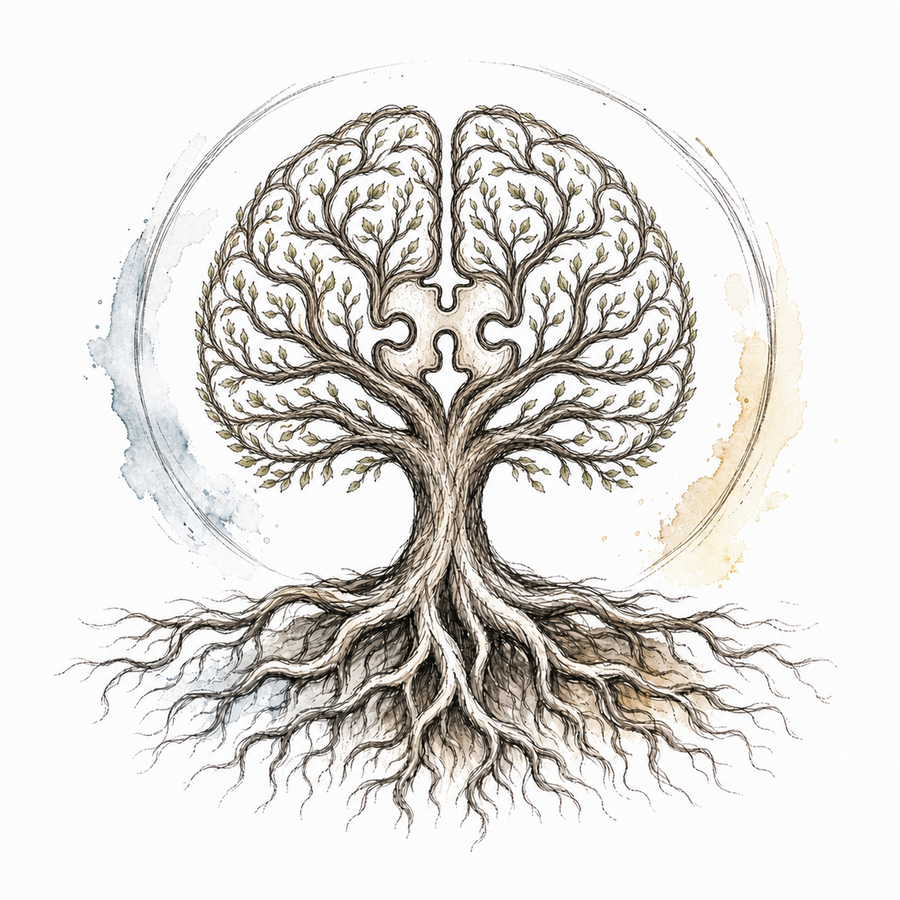
“We shape our tools, and thereafter our tools shape us.”
Marshall McLuhan
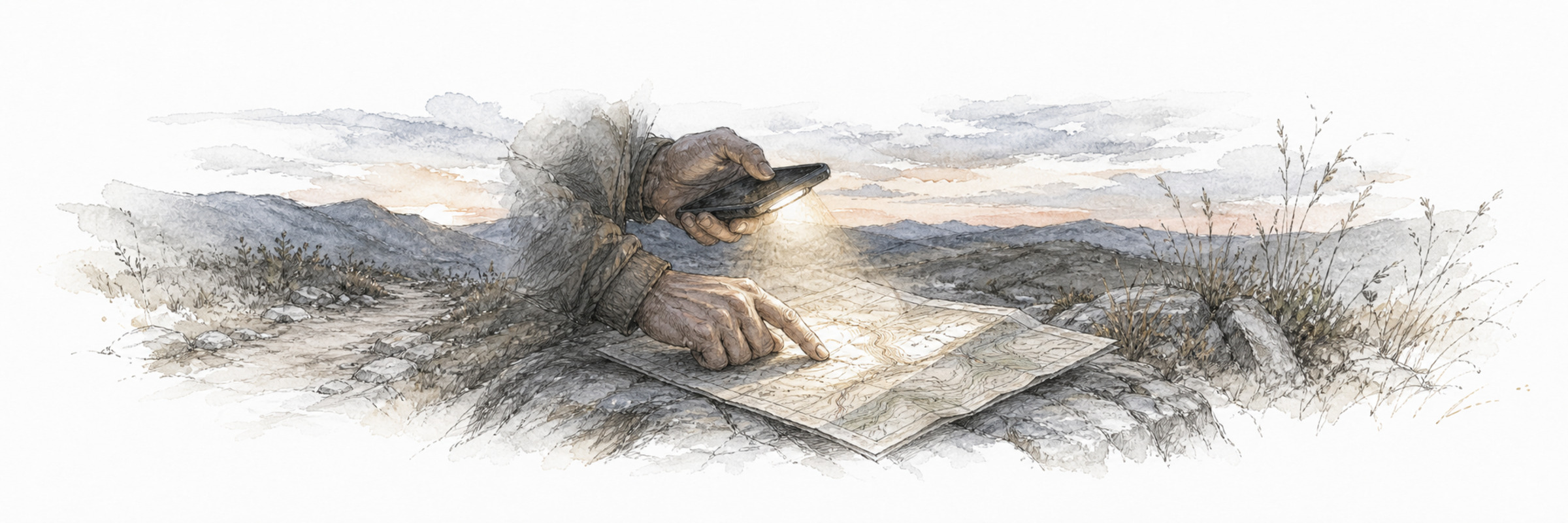
Writer and media theorist Marshall McLuhan’s point still holds: the tools we build end up shaping us back. Technology can distract us, numb us, and pull us into shallow habits. It can also help us learn, stay healthier, do better work, and keep real relationships alive. The chapter is about using technology on purpose instead of letting it use us.
The Love-Hate Relationship with Technology
Most people have a mixed relationship with technology. We love the convenience. We feel the cost. Phones, apps, and platforms can save time, expand access, and help us stay connected. The same tools can also fragment attention, feed dependency, and crowd out quieter parts of life. That tension helps explain why deliberate use matters.
Leveraging Technology for Learning
Technology has widened the path to learning. Nancy Baym’s work on digital connection helps frame that broader shift [547]. Online courses, videos, podcasts, digital books, and webinars put knowledge within reach for people who might not have easy access to classrooms, mentors, or local institutions.
Access matters because it changes what is possible. It can lower cost, shorten distance, and give people another chance to learn something they missed earlier in life. Carol Dweck’s work on growth mindset fits here too [525]. The internet can open a door, but the learner still has to walk through it with effort, patience, and humility.
Technology and Health
Technology can support health in real ways. Apps can help people monitor habits, follow routines, and pay closer attention to exercise, sleep, or stress. Telemedicine also expanded access to care, especially during COVID-19, by making remote care more realistic for many people [578].
But help is not the same thing as wisdom. Nicholas Carr warns that digital life can also thin out our attention and train the mind toward shallowness [579]. That warning is why balance matters. Mindfulness traditions associated with teachers like Jon Kabat-Zinn and Thich Nhat Hanh remind us to use our tools without becoming ruled by them [577].
Building Relationships through Technology
Technology changed how people build and maintain relationships. It lets us stay in touch across distance, maintain weaker ties, and find communities built around shared interests [547]. That kind of connection has real value. But MIT sociologist Sherry Turkle’s idea of being “alone together” matters here too [554]. Digital connection can create the feeling of closeness without the depth of it. Used well, technology can support relationships. Used poorly, it can replace real presence with a thinner imitation.
Technology and the Pursuit of Happiness
Technology can support happiness and mental well-being, but it can also erode them. Mindfulness and stress-management apps may help some people pause, breathe, and build healthier habits [577]. At the same time, endless scrolling and constant stimulation can leave people more restless, distracted, and emotionally thin [579]. The same phone can help you calm down or keep you keyed up. The difference often lies in how consciously you use it.
Technology as a Tool for Personal Growth
Technology is a tool. Like any tool, it can build or damage depending on the hand that uses it. That reality is why mindset matters so much. Digital tools can help you learn a skill, stay connected, find support, organize your life, or deepen your understanding of the world. They can also train you into comparison, passivity, and constant distraction.
The Mindset Towards Technology
The deeper issue is not whether technology exists. It is whether we are using it with purpose. Dweck’s work reminds us that mindset shapes what we do with opportunity [525]. Carr reminds us that attention is vulnerable [579]. Put together, the lesson is simple: set boundaries, stay mindful, and keep technology in the role of servant rather than master.
The Balance in Using Technology
Balance means asking better questions. Is this helping me learn, connect, heal, create, or serve? Or is it numbing me, stealing my attention, and keeping me from real life? This kind of reflection turns technology from a background force into a conscious choice.
The Human Touch in the Digital Age
There are parts of life technology cannot replace. A hug, a shared meal, a long conversation, a quiet walk with someone who knows you well: those things still matter in ways a screen cannot imitate [554]. The digital world should support the human world, not swallow it.
Make It Serve a Human Life
Technology is useful, but it is not wise on its own. The responsibility for wisdom is still on us. Use the tools. Learn from them. Set limits on them. The goal is not to fear technology or worship it. The goal is to make sure it serves a human life instead of replacing one.